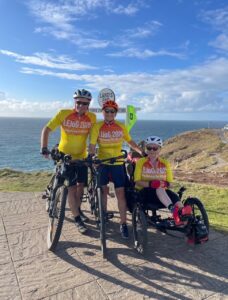
Your Healthcare Heroes Revealed

Charlie GrinhaffNews

Image of Golden Stars logo

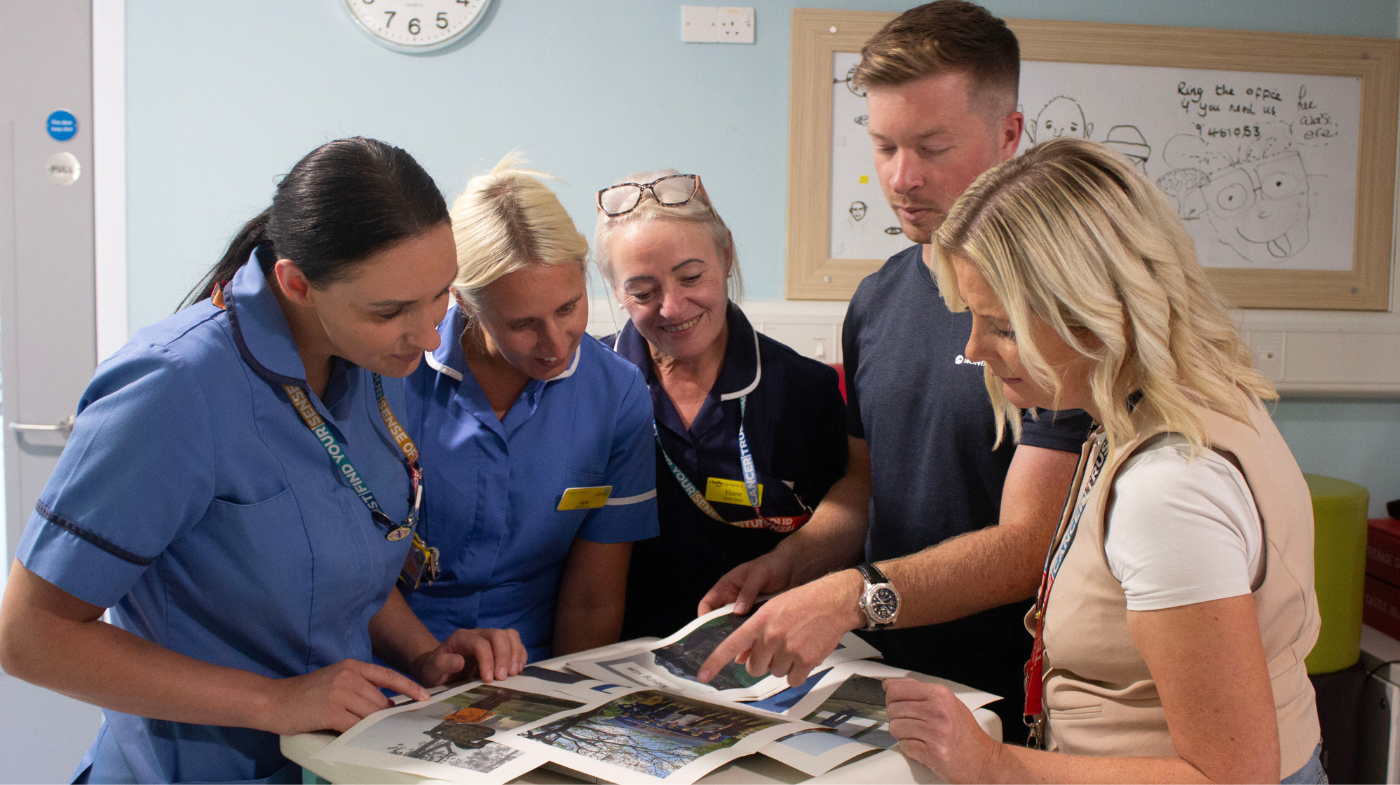
From supporting patients through their cancer diagnosis to delivering compassionate care at the end of life – local people have been putting forward their healthcare heroes for a special award, and we can now reveal who made it onto the shortlist.

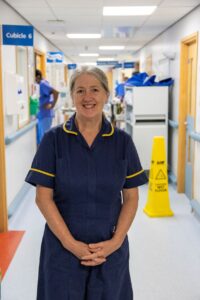
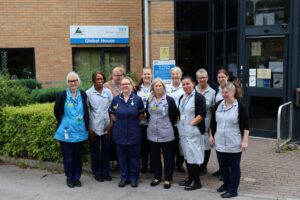
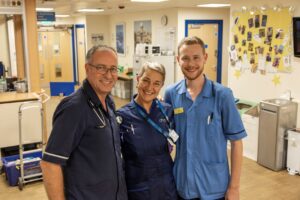
A clinical nurse specialist at Grimsby hospital, a community team caring for end-of-life patients in North Lincolnshire and a team of specialist respiratory nurses at Castle Hill Hospital have all been revealed as finalists for the Healthcare Heroes award which is nominated for by patients and their families.

The accolade is one of 15 awards set to be announced at the Golden Stars ceremony which celebrates and recognises employees of Northern Lincolnshire and Goole NHS Foundation Trust and Hull University Teaching Hospitals NHS Trust.

Louise Salt, Clinical Nurse Specialist, was put forward by a patient who said she’d been a ‘constant source of support’ following their cancer diagnosis and beyond. They expressed their deep gratitude for her dedication and care over a five year period and credited her swift action with their current remission.


The North Lincolnshire Macmillan Healthcare Team were put forward by a family for the end-of-life care given to their mother. Thanks to them, she was able to be spend her final days at home surrounded by family where she was comfortable and well-looked after. The family expressed immense gratitude to the team, describing them as invaluable to the NHS.


In a similar vein, the Pulmonary Fibrosis Respiratory Specialist Care Nurses at Castle Hill Hospital were put forward by the family of a patient in line with her wishes, following her death. They were praised for the pivotal role they played in her care and well-being over nearly a decade and for their professionalism and empathy.

Earlier this year members of the public were asked to put forward their nominations for the award and a judging panel, which included patient representatives, whittled down the nominations to the three finalists.

The winner of the Healthcare Heroes Award, and 14 others, will be revealed on Friday 10 October at Golden Stars 2025, which is being held at the Baths Hall in Scunthorpe.

Golden Stars would not be possible without the generosity of sponsors. Thank you to all of the Golden Stars 2025 sponsors:

a montage of logos

Get the flu jab to protect you and your baby

Communications TeamNews

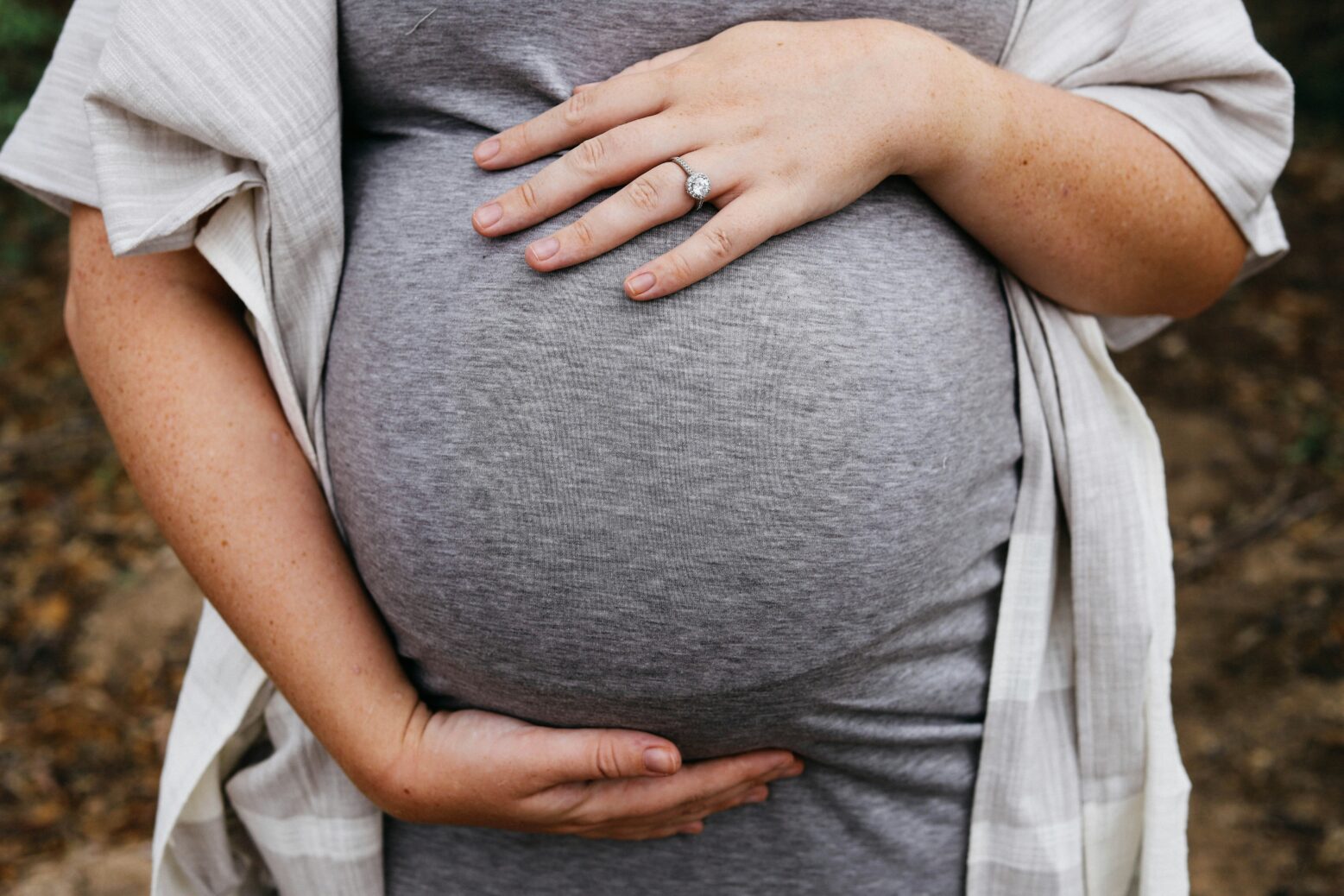
Pregnant? It’s time to get your flu vaccination to protect you and your baby this winter.

You’ll be able to arrange your flu vaccine as part of the national flu vaccination programme, launched on 1 September.

Flu vaccines can be given at any stage of your pregnancy from September to March. You can have the flu vaccine along with the whooping cough vaccine from 16 weeks into your pregnancy. You can also have the flu vaccine along with the vaccine to protect your baby against RSV from 28 weeks.

Joanna Melia, Public Health Midwife at Hull Women and Children’s Hospital, said: “Give your baby the best start in life by making sure you’re vaccinated during pregnancy.

“Ask your midwife about your appointments to make sure you get this vital protection against what can be very serious illness for you and your baby.”

Flu jabs are available from pharmacies and GP surgeries but you can also get it from our vaccination clinics at Beverley, Hull and Cottingham.

Appointments are available at the following clinics

  • General Outpatients Department, Entrance 2 opposite X-ray Department, Castle Hill Hospital – Fridays 1pm to 4.30pm
  • Outpatients Department, East Riding Community Hospital, Beverley – Mondays 1pm to 4.30pm,
  • Antenatal Clinic, Hull Women and Children’s Hospital – Tuesdays 9am to 12.30pm; Fridays 1pm to 4.20pm
  • Paediatric Outpatients Department, Hull Women and Children’s Hospital – Friday 1pm to 4pm

The vaccination team will also hold drop-in events from 6pm to 8.30pm at Hull Women and Children’s Hospital on

  • Wednesday, 17 September
  • Wednesday, 15 October
  • Wednesday, 12 November
  • Wednesday, 10 December
  • Wednesday, 14 January 2026

Here’s more information about vaccines in pregnancy. Pregnancy: how to help protect you and your baby – GOV.UK

Response to NHS League Tables

Communications TeamNews

A hand being held

A Humber Health Partnership spokesperson said: “We are disappointed with our position in the latest NHS league tables. They highlight areas where we must do better for the communities we serve.

“We know that getting good NHS services is the most important thing to more than 1.5 million patients, carers and families in the Humber region and beyond who depend on them. It is also the most important thing to everyone who works at the Humber Health Partnership.

“That is why we are now working to strengthen and improve the services we deliver by empowering our doctors, nurses and other clinical professionals to deliver and shape the care our communities receive today and tomorrow.

“To do this, we are going to empower our experienced clinicians, through a clinically led improvement plan, to make more of the decisions about how we how we manage our resources and deliver care across our hospitals and services. This plan will focus on tackling immediate problems, strengthening services, and supporting our clinicians to deliver safe, effective and compassionate care now and for the future.

“We know that actions speak louder than words though which is why we will continue to provide updates on our progress so our patients and communities can see what we are doing and hold us to account.”


Joanna goes the extra mile for Organ Donation Week

Communications TeamNews

She will be running more than 34 miles, climbing more than 7,500 feet through mountains in the Lake District, pushing herself to the limit to raise awareness of the importance of organ donation.

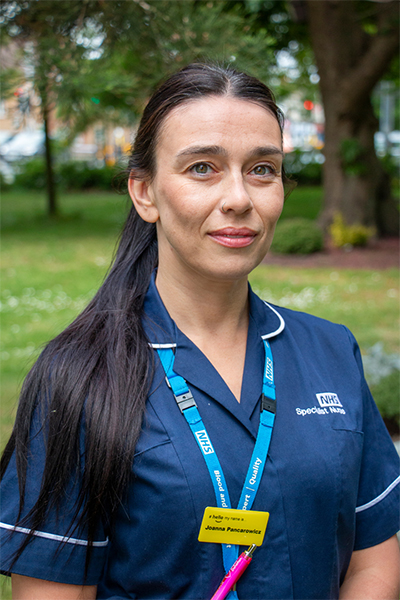
Joanna Pancarowicz, Specialist Nurse Organ Donation

But the thought of families who agree to donate their loved ones’ organs in the event of their deaths will keep Joanna Pancarowicz going through the gruelling challenge of her first ultra run during Organ Donation Week.

“The families show immense courage to agree to organ donation,” says Joanna, a Specialist Nurse in Organ Donation at Hull Royal Infirmary.

“The furthest I’ve run before is a half marathon but I like to challenge myself and this takes me out of my comfort zone. But I’m running in honour of the families of donors who go through such immense pain to make decisions to help others.”

Joanna will take on the Five Valleys Ultra Challenge from Ambleside to Keswick, covering 56.5km (34.7 miles) with a total elevation of 2,303 metres  (7,555 feet) on Saturday, September 27.

Joanna has worked with the Organ Donation team at Hull University Teaching Hospitals since August 2023.

Sixteen families from East Yorkshire consented to organ donation between April last year and February this year after their relatives were declared deceased. Additionally, 20 families agreed to tissue and ocular donation following their loved one’s death.

Across Yorkshire, 373 patients received a life-saving or life-changing transplant in 2023/4.

More than 100,000 transplants have been carried out since the creation of the Organ Donor Register in 1994. However, the waiting list for a transplant is currently the highest it’s been in an decade, with more than 7,900 people in the UK waiting for the call.

If you’d like to help, join the register and tell your family of your wishes so it’s easier for them in the event of your death.

How we’re helping to raise awareness of sepsis

Simon LeonardNews

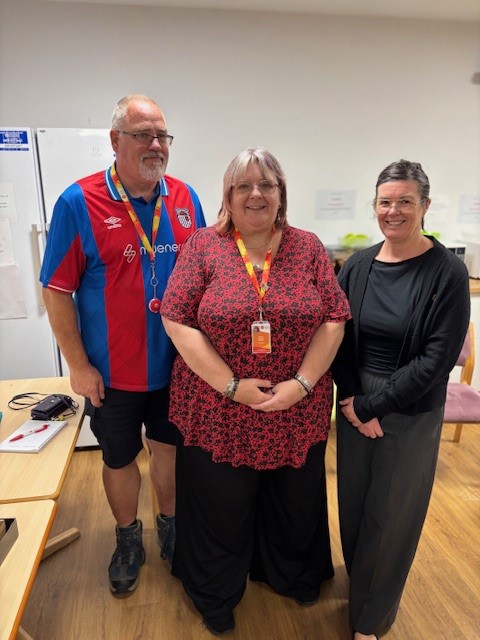
A man and two women

We’re raising awareness about how to recognise the early signs of sepsis, to improve the chances of early treatment and survival.

World Sepsis Day takes place on Saturday 13 September and there will be a number of events taking place at Scunthorpe, Grimsby and Hull hospitals ahead of this.

Sepsis is a very serious illness. It happens when your body has an infection, and your immune system overreacts or struggles to fight the infection. This can make your organs (like your heart, lungs, kidneys, or brain) stop working properly. If sepsis is not found and treated quickly, it can be life-threatening.

Our sepsis nurses will be providing information on the following dates:

  • Tuesday 9 September at Castle Hill Hospital in Cottingham in the restaurant
  • Wednesday 10 September at Diana, Princess of Wales hospital in the restaurant
  • Thursday 11 September at Hull Royal Infirmary in the main entrance
  • Friday 12 September at Scunthorpe General Hospital in the restaurant corridor.

As part of this, we’ll be handing out a new leaflet all about sepsis. It contains key information about the signs and symptoms, and how to get treated. Physical copies will be available at the drop-in sessions listed above and you can also access it online (for adults 16+ and for children 15 and under).

To raise further awareness, we’ve spoken to a number of patients who’ve battled sepsis – some of them on multiple occasions.

Tom Kingston, 67, from Hull said: “The biggest problem with sepsis is the lack of awareness. I have had it twice. The first time I picked up a urine infection in Thailand. Two weeks later, I was in Hull Royal Infirmary and ended up there for nine weeks. I went to the doctors when I got back from Thailand and they did not think it was anything other than a bug. About three to four weeks later, I ended up collapsing and an ambulance took me into hospital. The treatment I received in A&E was amazing.

“The second time I had a chest infection and I ended up in hospital for two weeks. Both times they were just ordinary infections, it’s so similar to flu. People need to know more about the signs and symptoms, so they know what to look out for. If raising awareness stops one person getting sepsis or helping them, then it’s worth it. I have now got post-sepsis syndrome, which is difficult as it leaves you feeling very tired, but I’m getting there.”

Sarah Smith, 54, from Waltham near Grimsby, said: “I had sepsis seven years ago. I was not feeling well for about three to four days. I started being sick and I was slurring my words. I attended A&E and they took my bloods, and put me on antibiotics for cellulitis in my leg. They told me to rest and keep an eye on the redness in my leg. A few days later, I was out for dinner and I blacked out. My husband took me to hospital and I was in septic shock. I don’t remember much but I can remember the horrific nightmares I was having.

A woman smiling

Sarah Smith

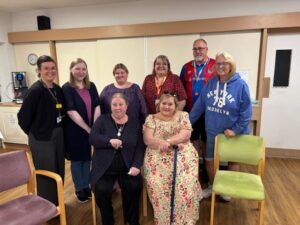
“They told me I had a 10 per cent chance of survival. My husband had to tell the children as I was going to be put on dialysis because my kidney function had gone down to nine per cent, and I wasn’t well enough to talk to them. I ended up in ITU for eight days. I am lucky to be alive. I then ended up with sepsis again about three months ago and I was in for six days. I now run a sepsis survivors’ group in Grimsby, where we all talk about what happened to us and support each other, and I’m a lead volunteer for Sepsis UK in this area.”

A group of women and a man

Members of the sepsis survivors group at St Hugh’s Hospital in Grimsby

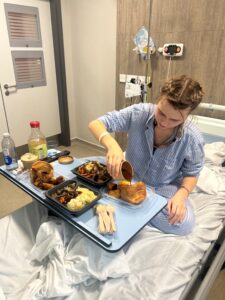
Amelia Carden-Howe, 19, from Lund near Beverley, said: “I was 17 at the time and I was feeling really unwell. I was throwing up and had sickness and diarrhoea. I had been to a restaurant and thought it was food poisoning. It was getting worse and I was hot and cold. My mum rang 111 and they gave us some advice. It didn’t get any better and I started having hallucinations. We ended up going to Hull Royal Infirmary and they thought it was gastroenteritis. They sent me home but it didn’t get any better, and we ended up going back. They rushed me straight through triage and said I had sepsis.

A young woman in hospital about to eat a tray of food

Amelia Carden-Howe when she was in hospital at the time

“The only thing I really knew about sepsis was from when it was a storyline on a soap. I was panicking about what would happen to me. I was transferred to Castle Hill Hospital and they sent me to the Infectious Diseases Unit. It was a very scary time for me. I did a lot of research about sepsis and was speaking to one of the nurses about it. I think it’s one of those things that unless you know what the symptoms are, you wouldn’t think you had it.”

A young woman with a drink smiling

Amelia Carden-Howe pictured now

Laura Davis, Clinical Nurse Specialist for Sepsis, said: “More people die of sepsis or infection than anything else in our hospitals. In the last year, we’ve treated more than 3,300 patients for sepsis. On average, 105 patients in our area die every month, either in hospital or within 30 days of discharge after a sepsis diagnosis. Around 11 million people die from sepsis globally. Following the advice in the leaflet and seeking help early gives people the best chance of recovery. Most infections are treated successfully or resolve on their own, without leading to sepsis.

“Our advice to patients is to keep the leaflet somewhere safe and use it for guidance if you get an infection, especially if you or someone at home is at higher risk. Speak up if you’re worried about sepsis. Ask your healthcare team if they’ve considered it and show them the leaflet if you still feel concerned.”

Life saving ‘Martha’s Rule’ to be rolled out across NHS Humber Health Partnership

Charlie GrinhaffNews

decorative

A 24/7 service which allows people to request a rapid review if they have concerns about a patient’s condition will soon be available across Hull, Scunthorpe, Grimsby, Goole and Castle Hill hospitals.

NHS Humber Health Partnership (NHS HHP) is launching the Detecting Deterioration service as part of ‘Martha’s Rule’. Martha Mills died in 2021 after developing sepsis in hospital in London, where she had been admitted with a pancreatic injury after falling off her bike. Martha’s family’s concerns about her deteriorating condition were not responded to, and in 2023 a coroner ruled that Martha would probably have survived had she been moved to intensive care earlier.

In response to this and other cases related to the management of deterioration, the Secretary of State for Health and Social Care and NHS England committed to implement ‘Martha’s Rule’ in the NHS nationally; to ensure the vitally important concerns of the patient and those who know the patient best are listened to and acted upon.

A pilot began last year at 143 sites and now it’s being rolled out across the rest of the country. It’s currently being piloted on eight wards across NHS HHP.

From this week though, Patient Wellness Questionnaires will be rolled out across all adult inpatient wards. This is where patients are asked by staff at least once a day as to how they are feeling and how they are feeling compared to yesterday – with patients able to respond on a sliding scale from ‘very good’ to ‘very poor’ and ‘much better’ to ‘much worse’.

Under the initiative anyone worried about a patient who is staying on a hospital ward will be able to make direct contact with a dedicated team who will give urgent help and advice. Whether they are a patient themselves, a family member, friend or carer. Staff are also being encouraged to use the service.

Dr Kate Wood, Group Chief Medical Officer, said: “We would always encourage people to raise their concerns with the team caring for the patient the first instance. However, if you feel there has been a significant change in a patient’s condition and, after discussion with the ward team, you feel your concerns have not been addressed or it is still not clear what the plan is for the patient, then please use Martha’s Rule.”

Calls will be taken by the Critical Care Outreach Team who may provide advice over the telephone in the first instance, or visit the ward to discuss and assess the situation. This could include prescribing antibiotics, oxygen or other treatments.

It’s important to note that this is for raising urgent concerns about the condition of a patient. General queries and concerns, for instance about general patient care, appointments, food and car parking, should be directed to the Patient Advice and Liaison Service.

Read more about Martha’s Rule on the NHS England website: https://www.england.nhs.uk/patient-safety/marthas-rule/


“Being diagnosed with cancer at a young age has made me look at life differently – I’m grateful to be alive”

Communications TeamNews

After conquering Kilimanjaro, cancer survivor Freddie Cole returns to share his life-affirming experience with hospital staff

A young man from South Cave whose cancer journey took him to the top of Africa’s highest mountain is hoping to inspire other young people diagnosed with the disease.

Twenty-seven-year-old Freddie Cole, who works as an Operations Manager at Drewtons, was diagnosed with Stage 4 Burkitts Lymphoma in late 2022. This rare form of cancer affects the bone marrow and lymph system, and is diagnosed in just 210 people in the UK each year.
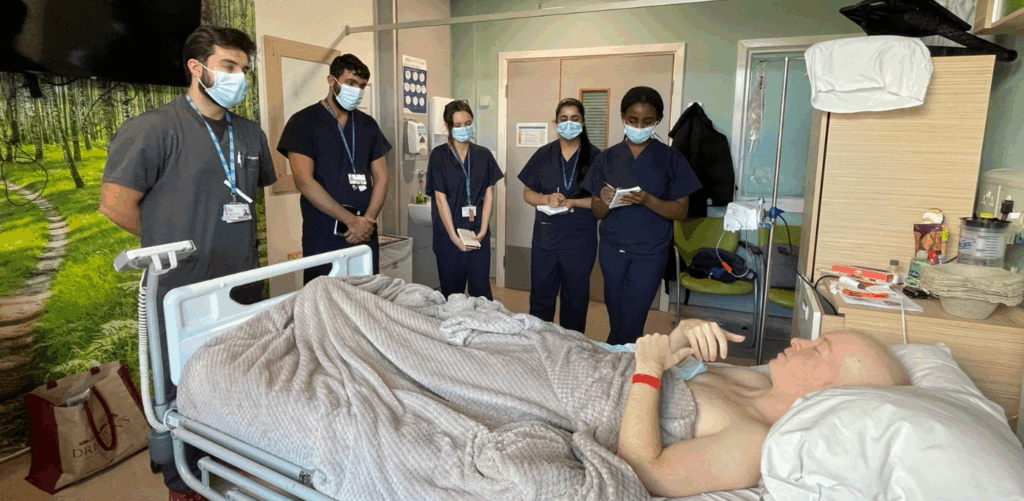
Man in hospital bed surrounded by trainee doctors

Freddie spent months in hospital after his cancer diagnosis

Freddie had somewhat of a rollercoaster journey, which included four consecutive months spent as an inpatient of Castle Hill Hospital’s Teenage and Young Adult Unit, where he says staff quite literally saved his life.

Despite numerous rounds of aggressive chemotherapy, multiple blood and platelet transfusions and even a bout of sepsis, Freddie’s personal resolve, coupled with family support and staff expertise, saw him through and he was given the all-clear last year.

Freddie was so inspired by the work of the TYA Unit and ward 33 staff at the Queen’s Centre, that he then set out to fundraise for both the Teenage Cancer Trust and WISHH, the Hull Hospitals charity, as a way to say thank you.

But avid walker Freddie doesn’t do things by halves, and so in an attempt to push himself to his limits and to truly feel alive after beating cancer, he set out to fundraise by trekking to the top of Mount Kilimanjaro.

Freddie spent months training for the six days spent making his way to the summit and back down again. In another act of bravery, his trek was organised through an independent tour company which meant he’d be sharing the experience with a group of eight strangers whom he’d never met before; but have now become close friends.

Freddie says:

“A few years before my diagnosis, I began to take an interest in hiking; a few friends and I would travel around the UK exploring and taking on some popular hiking trails.
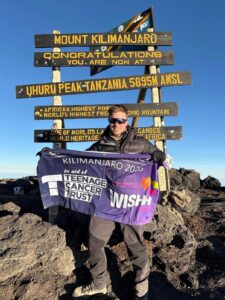
Freddie reaches the summit of Africa’s highest mountain

“While I was in hospital, I decided that if I had a good result and a good recovery, once I was back to full strength, that I would do something to give back to the people that saved my life, and Kilimanjaro stood out as a good challenge to take on.

“The enormity of what I was doing really hit me when the summit was in sight, with one last push of half a kilometre to go. Being up there on the roof of Africa, the highest freestanding mountain and one of the tallest mountains in the world, was so surreal.  This is the point I felt very overwhelmed, thinking about what I had just achieved, after making that promise and all the training, there had been no looking back and I’d reached my goal.

“I have always been quite determined and self-motivated when it comes to life and all the things I’d like to experience. But having been diagnosed with cancer at such a young age and gone through the whole journey; living in hospital for months followed by another three months’ rest and recovery; it has made me look at life differently. It’s really encouraged me to take opportunities as they arise and to make the most of life.

“I’m very grateful to still be alive, and for the set-up of the NHS and everyone who works in it. If I might be having a bad day or I’m struggling for motivation to do something, I think back to what I’ve been through and soon turn myself around.”

Earlier this week, Freddie returned to the Teenage and Young Adult Cancer Unit at the Queen’s Centre, Castle Hill Hospital, to share his life-affirming experience with just some of the oncology staff who made it possible. He says:

“From the day I came into the hospital and every day since, every member of staff has been so friendly and helpful. I soon got to know everyone who worked here, the cleaners, catering staff, nurses, doctors and consultants. Everyone was there for me, whether it was a friendly face to talk to and to have a bit of company, or to support me and my family through a difficult time.

“Dr Bailey kept my family and I well informed of what was to come, what to expect, he was reassuring and had my full confidence. The TYA team was amazing, always finding time to answer questions, chase up on treatments, and serve as a shoulder to cry on for the whole family or act as a sounding board to let off steam.”
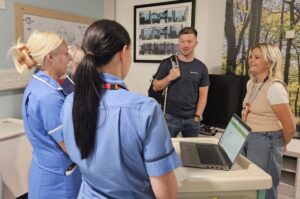
Freddie chats to Ward 33 and TYA staff about his Kilimanjaro trek

Charlene Kent is the Youth Support Coordinator at the Teenage and Young Adult Unit. She says:

“One of the things that struck me about Freddie, from the day that I met him, was just how positive a person he is, and he’s carried that positivity with him throughout this cancer journey. Freddie has been blessed with a very loving and supportive family and circle of friends, and that does also make a huge difference.

“If I think just how far he’s come in the past few years, it really is incredible and it’s a real testament to his strength of character and his personal determination. Freddie’s story offers hope to other young people who find themselves on the receiving end of a cancer diagnosis, and he’s living proof that cancer doesn’t have to be the end of things, in fact for some people it can be life-changing in a positive way.”

Dr James Bailey, consultant in haematology, was the lead clinician looking after Freddie during his treatment. He says:

“Freddie was unfortunate enough to develop a particularly rare form of cancer, but even when his treatment was making him really poorly, he was able to look beyond that and stay positive. He allowed friends, family and the team here at the Queen’s Centre to provide the care and support he needed, and he was always willing to share his experiences and details of his illness with trainee doctors and nursing staff so that they could learn and help other people like him in the future.
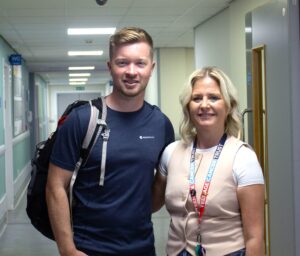
Freddie Cole is reunited with the TYA Unit’s Charlene Kent

“We’re all incredibly proud of how the team here has been able to support Freddie through his treatment and recovery, and proud of Freddie himself for what he’s been able to achieve. He’s a real inspiration to other young people, and it’s great to see him looking so well and planning more epic adventures.”

Having initially set a target of £10,000, Freddie says he has raised an incredible £47,000 for the two charities to date, and his restless nature doesn’t stop there.

“I’m still thinking about my next challenge; some sort of run, either a marathon or an ultra-marathon, and maybe another big mountain in two or three years’ time,” he says.

By big mountain, he means Mera Peak which is the highest trekking mountain in the world at just over 21,000ft. This would be another incredible feat for a man who now serves as an inspiration to other young people receiving a cancer diagnosis.

“The support from family and friends was invaluable to me, and the team on Ward 33 and the Teenage Cancer Team were so supportive and always interacting,” he adds.

“For others who find themselves in the same situation, I’d say prepare yourself; it’s not going to be a nice journey but try your best to stay positive. You’ll be told what to expect and if you know what’s to come, you can embrace that and keep strong.”
From roadside to recovery: trauma training at simulation event

Charlie GrinhaffNews

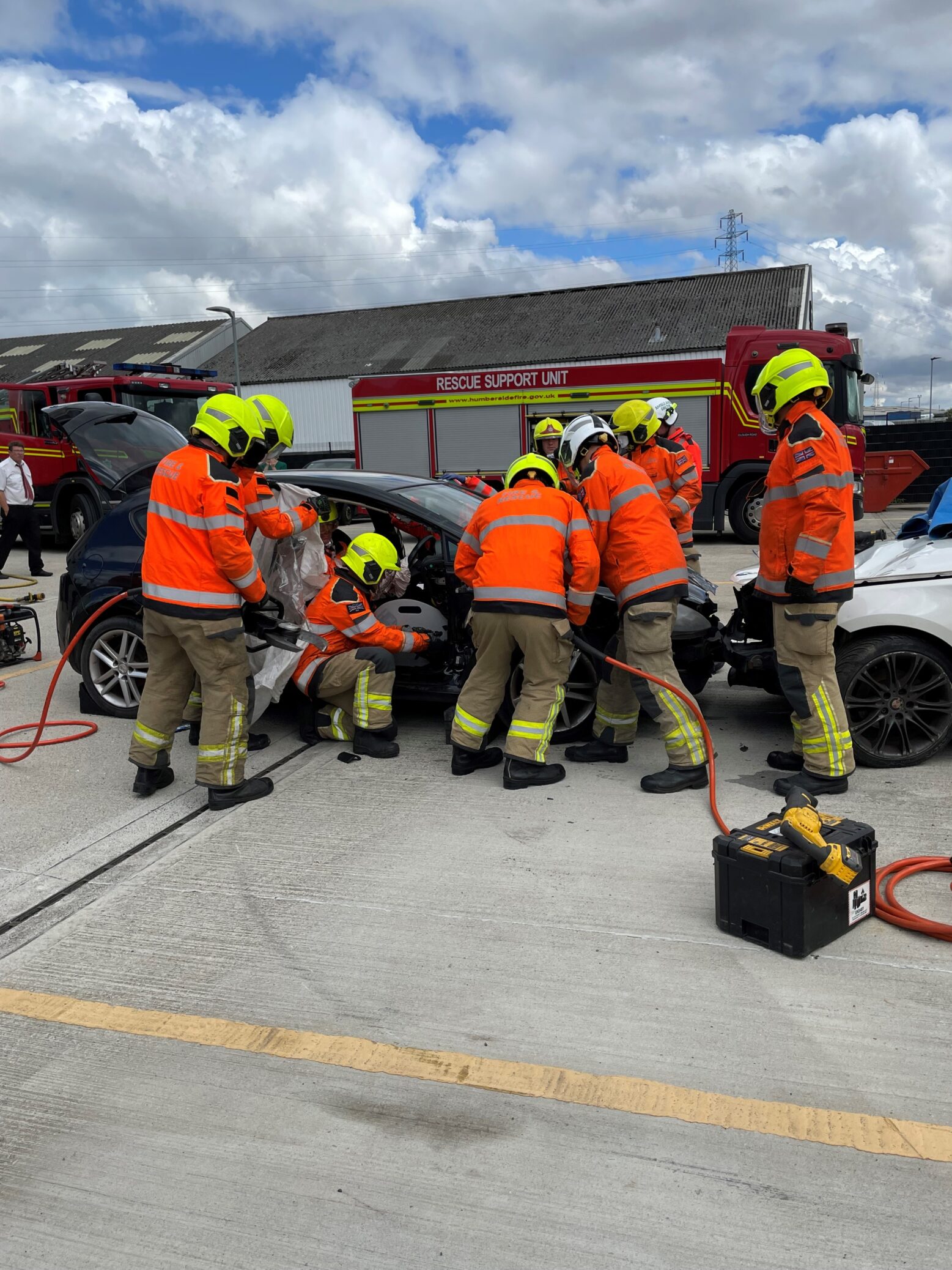
fire fighters around a car wreck

Emergency services across the Humber region have come together to deliver a simulation of a road traffic accident as part of a learning event.

Humberside Fire and Rescue Service, Yorkshire Ambulance Service, NHS Humber Health Partnership (which runs some of the region’s hospitals) and other colleagues from across the health and care system all came together to create an interactive learning event around trauma systems.

The multi-agency event at Clough Road Fire Station saw a road traffic accident simulation with fire crews cutting a ‘patient’ from the wreck of a car, the pre-hospital medical services (air ambulance and ground ambulance crews) working on the patient at the scene and the hospital staff there to understand the patient perspective and potential medical challenges associated with extrication.

Participants on the NHS England Enhance programme, run locally by the Yorkshire and Humber Generalist School, took part in the event.

Head of School for the Humber Generalist School, Miss Helen Cattermole, said: “Our fire service colleagues regularly run these events for their own staff, but by inviting us to participate our teams have gained a valuable insight into what happens before patients arrive at hospital; helping them to learn more about trauma all round, from the initial experience of trauma, through to the psychological impact and recovery. Having a group of medical, nursing and other healthcare professionals on scene has allowed the first responders to learn more about their own clinical management of the patient and to help them identify improvements in their processes for future incidents.

Following the simulation, those on the Humber Generalist School Enhance course spent the afternoon back at Hull Royal Infirmary learning more about the psychological impact of trauma, post-trauma management and about rehabilitation which included a patient sharing his story, ‘from roadside to recovery’.

Helen added: “This links with other learning they have had about violence prevention, safer roads and how the integrated trauma system around the region works together to prevent injury and learn from incidents and best practice. The module on major trauma systems is the first time anything like this has been run in the UK as part of the Enhance programme.”

The Yorkshire and Humber Generalist School’s Enhance programme is a professional development programme open to all healthcare staff working across the Humber region. The one-year course focuses on enhancing generalist skills – the areas of practice which span all specialties and professions such as providing person-centred care, working sustainably in complex systems, reducing health inequalities and managing patients with multiple interacting comorbidities. The programme is unique in the country by bringing together clinical and managerial health professionals, social care colleagues and charity workers to learn about the challenges facing health and care and break down the professional silos which can hamper collaboration and innovation.

The programme supports the government’s Ten Year Plan for the NHS, Fit for the Future, which focuses on three big shifts – from hospital to community, analogue to digital and sickness to prevention. Modules on complex multi-morbidity, population health, personalised healthcare and health inequalities, together with a thread about digital transformation directly support the ambitions of the plan, as one of the only programmes already up and running with these elements already in place.

Course leaders seek to bring interactive learning events like these as part of the course to give participants a wide array of learning methods, and many participants attend in their own time, so passionate are they about making a difference. Previously learners have had a visit from the autism bus, experienced simulated dementia, have discussed the barriers to accessing green spaces in a wellbeing visit to Dalby Forest hosted by Forestry England, have seen the solar panels at Castle Hill Hospital, visited a waste plant in Knaresborough and observed the work of the mental health hub at the Humber Bridge.

More than 140 local health and care professionals have completed the Enhance course already, with positive feedback including:

“This is the best course I have ever done. I use the knowledge every day in supporting my patients.” Emergency Medicine Specialist.

“The modules that we’re covering through the Enhance programme have not only added to my current knowledge but have strengthened my conviction that the way we connect with each other is absolutely vital to support people in the community.” Alzheimer’s Society Manager.

“I was able to explore the healthcare needs and priorities of the populations served in the wider healthcare system. I was keen to better understand the intricacies of the system and take time to consider how this impacts patient care and sustainability, involving staff, healthcare provision and environmental issues. I would recommend the Enhance programme to anyone who wishes to develop integrated working.” Practice Nurse.

The eighth cohort of the Yorkshire and Humber Generalist School starts in the Humber region (Hull, East Riding, Grimsby, Scunthorpe) this week. The ninth cohort starts in York in April 2026 (York and North Yorkshire). Courses are also running in Bradford and Sheffield. Apply at https://www.yorksandhumberdeanery.nhs.uk/education/generalism-enhance or email hyp-tr.enhance.yorkshire@nhs.net for more information.

Hospital consultant gets on her trike for MS Society

Communications TeamNews

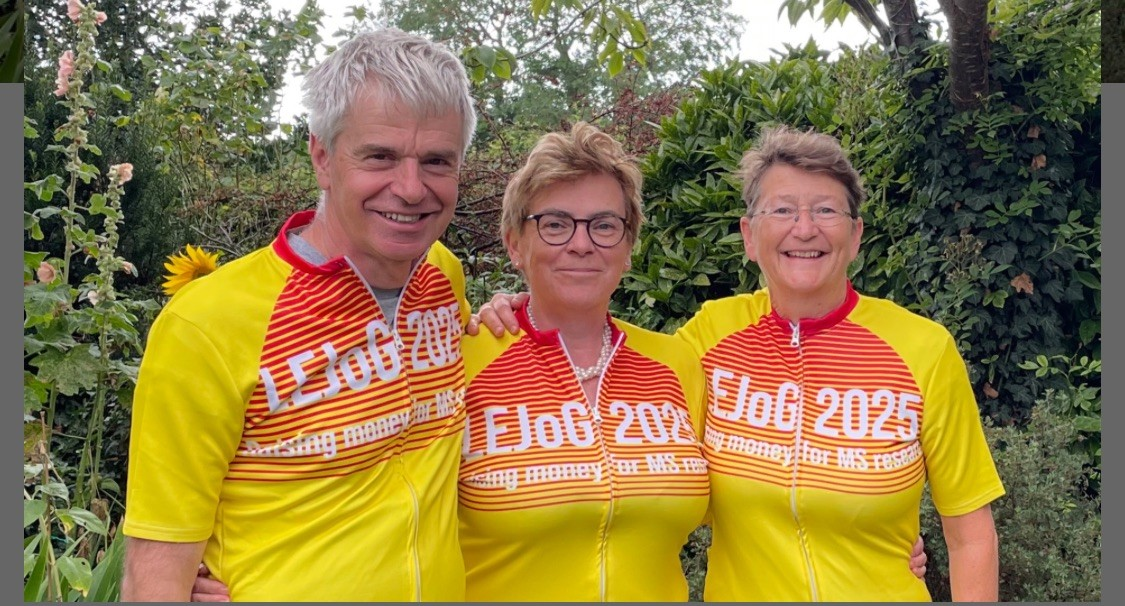
Adrian, Jacquie and Sarah wear their yellow cycling tops and stand in a line, arms around each other

A hospital consultant, her wife and her best friend are embarking on a massive challenge to cycle more than 1,000 miles from Land’s End to John O’Groats to raise money for Multiple Sclerosis (MS) Society.

Dr Jacquelyn Smithson, a Consultant in Gastroenterology at Hull Royal Infirmary, is undertaking the gruelling adventure with her wife Sarah Jones and her best friend Adrian.

The LEJoG 25 team have chosen a route which takes in The Lizard, the most southerly point of mainland England, and Dunnet Head, the most northernly point of mainland Scotland, and they aim to complete the task by September 24.

Dr Smithson, who has MS and uses a wheelchair much of the time after a relapse four years ago, will use a special three-wheeled trike throughout the epic journey.

She said: “The three of us are setting out to raise money for research into Multiple Sclerosis. We’ve raised £5,000 already and we’ve been blown away by the generosity and good wishes of so many people who have supported us.

“Every penny we raise will go directly to the MS Society. No amount is too small. But please, if you can, give generously.”

Adrian, Sarah and Jacquie on their bikes and trike at the start line today

Dr Smithson is a well-loved and highly respected member of staff at Humber Health Partnership, which runs Hull Royal Infirmary, Castle Hill Hospital, Diana, Princess of Wales Hospital in Grimsby, Goole Hospital and Scunthorpe General Hospital.

During the pandemic in 2021, she experienced a relapse which left her with no feeling in her legs and unable to walk. However, she undertook months and months of physiotherapy to try to regain some movement.

Sarah said: “She wasn’t willing to sit back and accept her fate so she worked at recovery over months and months, during the added challenge of Covid-19.

“After what seemed like an endless journey of physiotherapy and incremental gains, the feeling has still not come back. But Jacquie has been lucky enough to see enough improvement to able to walk short distances with the aid of crutches and has started to rebuild some muscle, just enough, in fact, to turn the wheels of a bike!

“Although she can no longer cycle a two-wheeler, we have found that a trike is possible.”

The three cyclists will be updating their progress throughout September on social media and you can make a donation to the MS Society through their JustGiving page.


Death of baby sparks call for whooping cough vaccination

Communications TeamNews

A public health midwife in East Yorkshire is encouraging vaccination from whooping cough during pregnancy following the death of a baby.

The UK Health Security Agency (UKHSA) confirmed the baby died between January and June this year after its mother did not receive the whooping cough vaccine during pregnancy.

Today, Joanna Melia, public health midwife at Hull Women and Children’s Hospital, said: “This is a personal tragedy for one family which, very sadly, shows the very real consequences of not getting vaccinated during pregnancy.

“Whooping cough is a bacterial infection of the lungs and airways which can be so serious in infants, as this case shows.

“The whooping cough vaccine has been given in pregnancy in the UK as a matter of routine since October 2012 and a study of around 20,000 vaccinated women found no evidence of risks to pregnancy or unborn babies.

“In fact, rather than putting your baby at risk, vaccination is the best way you can protect your child in those first few weeks.”

Whooping cough is a serious infection causing long bouts of coughing and choking, making it hard to breathe. The “whoop” is caused by gasping for breath after each bout of coughing, though babies do not always make this noise.

Research into the deaths of 32 babies who died from whooping cough between 2013 and 2025 showed 26 had mothers who hadn’t received the vaccine in pregnancy. Eleven babies died of whooping cough last year and this case, announced at the weekend by the UKHSA, is the first this year.

Vaccination in pregnancy passes immunity to your baby through the placenta in the same way as they receive nutrients and vitamins and protects them until they receive their own vaccination against whooping cough at eight weeks old.  As well as protecting your baby, you’re also lowering your own risk of infection and so lowering the risk of passing whopping cough to your child.

You should have the whooping cough vaccine around the time of your mid-pregnancy scan, usually at 20 weeks pregnant, but you can have it from 16 weeks and you should get vaccinated before 32 weeks to give your baby the best possible protection.

Your midwife will book your appointment at vaccination clinics at East Riding Community Hospital in Beverley, Castle Hill Hospital in Cottingham and at Hull Women and Children’s Hospital.