Hospitals prepare for industrial action

Communications TeamNews

Resident doctors (formerly known as junior doctors) across the Humber region will begin their latest round of industrial action this week as part of their long-running pay dispute with the Government.

Members of the BMA will take industrial action in the form of a full walkout for five days – from 7am on Friday 25 July until 7am on Wednesday 30 July.

Staff at Castle Hill, Hull, Grimsby, Goole and Scunthorpe hospitals have put plans in place to prepare for the strike, which does mean some patients will have their appointments and procedures postponed. Staff will be contacting affected patients. Anyone with an appointment or procedure scheduled to take place during the strike period should attend the hospital as planned if you haven’t heard from our team.

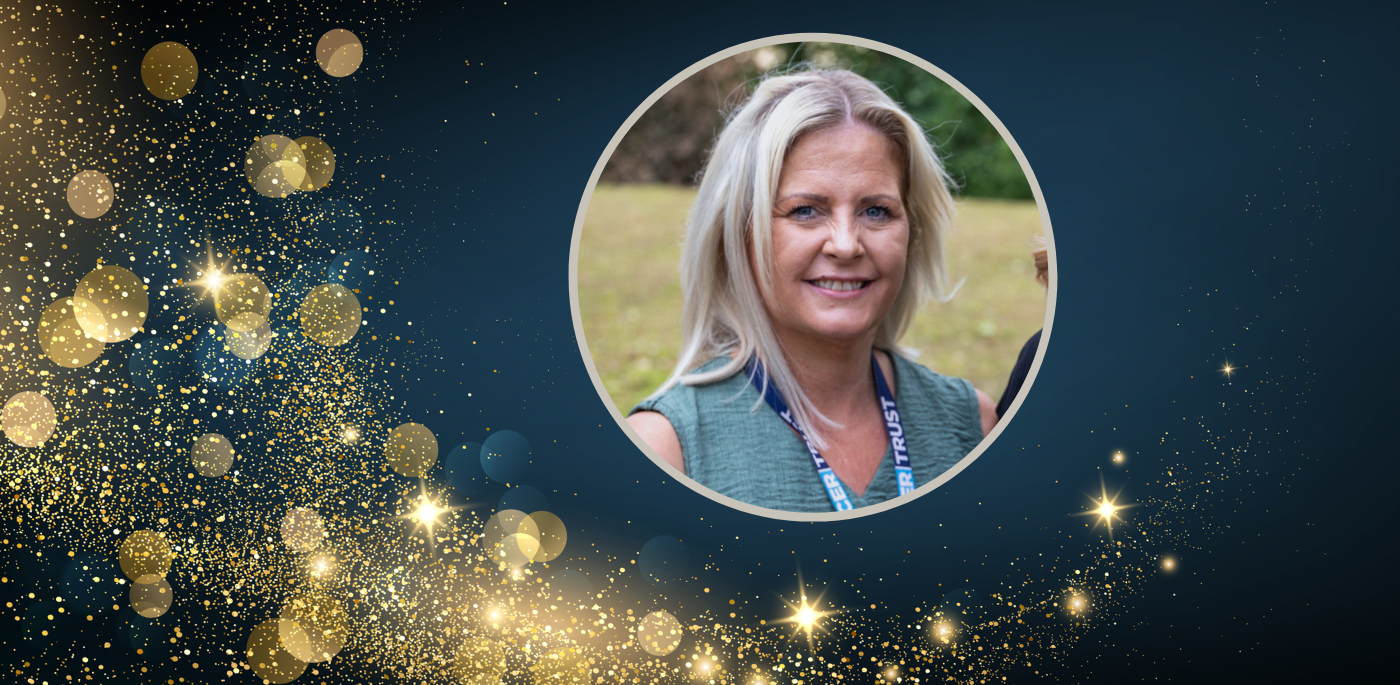
Head and shoulders image of Dr Kate Wood, Group Chief Medical Officer

Dr Kate Wood, Group Chief Medical Officer

Dr Kate Wood, Group Chief Medical Officer for NHS Humber Health Partnership, said:

“We appreciate that there will be some patients who are seeing their appointments with us postponed, perhaps not for the first time. We know just how frustrating this is and we’d like to extend our apologies to anyone affected. Stepping down some routine care is regrettable but necessary as it allows us to focus on the most seriously ill/injured of our patients, allowing us to keep urgent, emergency care and cancer care services running.

“This is the twelfth resident doctors strike that we’ve seen so our staff are well rehearsed at putting plans in place to prepare, however we know that five days of industrial action will place further pressure on our already busy services.  As with previous strikes we’d really appreciate the support of our local communities.

“GP surgeries and pharmacies will remain open during the strike. NHS 111 staff are on hand to offer advice if you’re unwell and unsure where to turn. If you do need to come into one of our emergency departments please be mindful that we have fewer doctors on shift so be prepared to wait to be seen and please respect our staff who are in work who are doing their best to see and treat people as quickly as possible.”

Patients can also help themselves and others by:

  • Ordering repeat prescriptions in plenty of time so they don’t run out of medication or other essential items
  • Avoiding hospital if suffering Norovirus-type symptoms such as diarrhoea and vomiting, or with cold or flu-like symptoms
  • Keeping a well-stocked medicine cabinet at home including painkillers, indigestion remedies and diarrhoea tablets
  • Using the NHS Emergency Prescription Service if a regular medication runs out completely; and
  • Familiarising themselves with nearby NHS services which can offer help both in and out-of-hours; these include all Walk-In and Urgent Treatment Centres and a number of local pharmacies. NHS111 remains available 24hrs/day, 365 day a year for medical advice and signposting, online or over the phone.

Full details of alternative local healthcare services can be found at www.letsgetbetter.co.uk

Acting Chief Executive appointed

Communications TeamNews

The Humber Health Partnership is pleased to welcome Lyn Simpson as its new Acting Chief Executive from 28 July 2025.

Lyn joins the partnership – which includes Hull University Teaching Hospitals NHS Trust and Northern Lincolnshire and Goole NHS Foundation Trust – on an interim basis from North Cumbria Integrated Care NHS Foundation Trust, where she serves as Chief Executive.

Amanda Stanford, the current Acting Chief Executive, will return to her substantive post as Group Chief Nurse.

NHS Humber Health Partnership Chair said: “We are grateful to Amanda for her leadership and are pleased to welcome Lyn to the partnership.”

Lyn Simpson said: “I’m pleased to be supporting the Humber Health Partnership, its teams and communities, and look forward to working closely with colleagues across both trusts.”

Practice Development Nurses shortlisted for national award

Simon LeonardNews

Team pic of NHS staff

Our Practice Development Nurses have been shortlisted for a national award for their work supporting our international staff.

Patricia McKenna and Michael Sanni, who both work for Northern Lincolnshire and Goole NHS Foundation Trust, are in the running for a HSJ Patient Safety Award. The entry is titled ‘Psychological Safety for Internationally Educated Colleagues or The wellbeing of International Nurses’, in the Staff Wellbeing Initiative of the Year category.

It recognises the work Patricia, Michael, Ellie Parker, Head of Professional Practice for Nursing, and the Practice Development Team have done to support our internationally educated nurses transition into the NHS, and the UK way of life.

Patricia said: “We’re thrilled to be shortlisted for this award. I didn’t believe it at first and I feel incredibly proud of Michael, our team and all the internationally educated nurses. It’s such an honour to be recognised and it’s been a real team effort.

“We wanted to improve the psychological wellbeing of our international staff, make international staff feel safe and make the difficult transition period as seamless as possible. Some of our international nurses had expressed they were feeling lonely or isolated, so we wanted to find ways to support them.

“Some of the initiatives we’ve put in place include a focus group to discuss any concerns, a research project with a questionnaire on what the barriers are, career clinics, support with applications and interviews, health and wellbeing sessions. We have also developed a cultural competency training programme, and created a Microsoft Teams channel with resources and community outreach.”

Michael said: “I was very excited when I heard we’d been shortlisted. After the civil unrest we experienced locally, we came up with a process for doing regular check-ups on our international staff. We showed them we were listening to them and welcomed their feedback.”

Ellie added: “This is a real passion project of two people who have shown a huge amount of drive and tenacity to get this moving and sustainable. It’s a whole suite of wrap-around measures to address the career and pastoral health and wellbeing of our international staff.”

They’ll find out if they’ve won at an awards ceremony in Manchester on 15 September.

Love in the first degree

Communications TeamNews

Hospital patient too ill to attend her graduation ceremony has the graduation ceremony brought to her


A young woman from Hull who was diagnosed with cancer just weeks after completing her degree has received a special graduation ceremony in hospital.

Lilli Hales, 20, had already bought her graduation dress and was looking forward to officially marking the end of her studies at the University of Hull with family and friends.

Things were looking good for the aspiring primary school teacher when she received confirmation of her 2.1 grade in Drama and Theatre Studies.

But towards the end of June, Lilli was admitted to Ward 33, the Teenage and Young Adult (TYA) Unit at Castle Hill Hospital, after being diagnosed with a rare form of cancer.

“I’d been feeling unwell for quite a while, I was pale and I’d been having dizzy spells, so I went to my GP who arranged a blood test,” Lilli explains.

“I carried on organising things for university and working my part-time job at Starbucks, but when I was asked back to the GP surgery to receive my results, things started to move really quickly and I was admitted to the Teenage and Young Adult Unit at Castle Hill the same day.

“It all felt a bit surreal, like I was in a dream that I was going to wake up from and then find out it wasn’t real.”

Lilli had been diagnosed with acute myeloid leukaemia (AML), a type of cancer which affects the blood and is diagnosed in just over 3,000* people each year in the UK.

Lilli arrives at her graduation ceremony

She was immediately admitted to Ward 33 at Castle Hill Hospital in Cottingham, the specialist ward caring for teenagers and young adults diagnosed with cancer across the Humber and North Yorkshire region, supported by the Teenage Cancer Trust charity.

It was here she met Charlene Kent, who has worked as the TYA Unit’s Youth Support Coordinator for the past seven-and-a-half years. In her time, Charlene has supported hundreds of young people and their families through one of the toughest challenges life can throw at them.

Lilli continues:

“Missing my graduation ceremony wasn’t part of the plan; it’s disappointing not to be there in person with my friends to celebrate, but when I mentioned I was due to graduate this summer to Charlene, straight away she told me, ‘we’ll make this happen’.”

And in something akin to DIY SOS, Charlene was off, making phone calls, pulling in favours and putting plans in place to ensure Lilli could still enjoy her most special of days, donning cap and gown, scroll in hand, surrounded by the people she loves.

Charlene says:

Lilli graduated in Drama and Theatre Studies

“Treating the physical effects of cancer is only one part of what we do at the Teenage and Young Adult Unit. It’s really important to us to get to know our patients so we can care for the whole person and support their families and loved ones as well.

“This time of life is typically when people finish exams, start a career, have a family, so it can be really stressful anyway, but when you add a cancer diagnosis into the mix, you can see why it’s so important to support a young person’s mental wellbeing as well as their physical health.

“When Lilli told me she was due to graduate in a couple of weeks’ time, I just had to make sure she didn’t miss out. She’s studied for years, graduating is a rite of passage, and she deserves the chance to celebrate like everyone else. And while she might not be well enough to leave hospital and be there in person, we wanted to make sure that her illness didn’t stop her from marking such a special occasion in life.”

Charlene and Lilli’s parents, Tracy and David, have been busy organising everything a girl could possibly need to graduate, from balloons and a marquee in the hospital grounds to celebration cakes and a photographer. They arranged for the university’s graduation ceremony to be live streamed at Castle Hill Hospital and for Lilli to join online via Zoom. And to top things off, colleagues at the University of Hull arranged for a cap and gown to be sent over for Lilli to wear on the day, with relatives from as far afield as the Netherlands, and her week-old niece, joining her for the occasion.

Lilli says:

“Throughout my time in the TYA Unit, the staff have been outstanding. Whenever I’ve needed something, they’ve been there straight away, the teams are all really professional and they have all shown me so much compassion. Nothing is too much trouble.

Standing left to right: Kirsty Gascoigne, Lilli Hales, Charlene Kent and Sue Fridlington

L-R Kirsty Gascoigne, Lilli Hales, Charlene Kent and Sue Fridlington

“What Charlene, the hospital team and my family have done for me today is nothing short of amazing. The decorations, the live stream, the cap and gown; it means I’m not missing out, and I still get to celebrate with my loved ones.”

Charlene adds:

“There are too many people to thank individually; so many people just instantly said yes when we approached them for help, but special thanks must go to the staff on the TYA Unit and Ward 33 for all the support they’ve shown to Lilli in recent weeks and their help with the preparations, especially ward housekeeper, Sue Fridlington. Haematology nurse, Donna Trafford, has been a great help to me personally, the hospital’s catering team has provided food which is being paid for by our hospital charity, WISHH, and the University of Hull has pulled out all the stops to ensure Lilli feels as much a part of the ceremony as every other person graduating that day.

“It’s been such a special event to be a part of, but it’s nothing short of what this special young lady deserves.”

Protect your baby from whooping cough  

Communications TeamNews

Unborn babies are being put at risk of pneumonia, brain damage and even death in East Yorkshire because of a rise in cases of whooping cough.

Public health midwife Joanna Melia said rates of whooping cough, also known as pertussis, continue to rise, risking serious illness in babies during the first few weeks of their lives.

While vaccination rates in pregnancy in Humber and North Yorkshire were the best in England last year – 83.1pc compared to the national average of 68.2pc – they must remain high to protect as many newborn babies and those under one as possible.

Joanna said: “Whooping cough can be really serious for babies so it’s just not worth the risk of not being vaccinated.

“The whooping cough vaccine has been given in pregnancy in the UK as a matter of routine since October 2012 and a medical study of around 20,000 vaccinated women found no evidence of risks to pregnancy or the unborn babies.

“In fact, rather than putting your baby at risk, vaccination is the best way you can protect your child in those first few weeks.”

Whooping cough is a serious infection causing long bouts of coughing and choking, making it hard to breathe. The “whoop” is caused by gasping for breath after each bout of coughing, though babies do not always make this noise.

It is a highly infectious, serious illness that can lead to pneumonia and brain damage, particularly in young babies. Some babies with whooping cough will need hospital treatment and it is life-threatening in some cases.

Government figures show there were 14,894 cases of whooping cough last year compared to 856 in 2023 and 11 babies died. Between January and March this year, there have been 727 cases of whooping cough including 10 in babies under 1.

Research into the deaths of 32 babies who died from whooping cough between 2013 and 2025 showed 26 had mothers who hadn’t received the vaccine in pregnancy.

Vaccination in pregnancy passes immunity to your baby through the placenta in the same way as they receive nutrients and vitamins and protects them until they receive their own vaccination against whooping cough at eight weeks old.

As well as protecting your baby, you’re also lowering your own risk of infection and so lowering the risk of passing whopping cough to your child.

You should have the whooping cough vaccine around the time of your mid-pregnancy scan (usually at 20 weeks pregnant), but you can have it from 16 weeks and you should get vaccinated before 32 weeks to give your baby the best possible protection.

Your midwife will book your appointment at vaccination clinics at East Riding Community Hospital in Beverley, Castle Hill Hospital in Cottingham and at Hull Women and Children’s Hospital.

Research from the vaccination programme in England shows that vaccinating pregnant women against whooping cough has been highly effective in protecting young babies until they can receive their own vaccinations from 8 weeks of age.

Here’s more information about whooping cough and why you should be vaccinated to protect both you and your baby.


Visiting hours extended at Hull University Teaching Hospitals NHS Trust

Charlie GrinhaffNews

a patient wearing a hospital gown laid in bed

Hospital patients will get more time to spend with their loved ones as visiting hours at Hull Royal and Castle Hill hospitals are being extended.

From today, Monday 14 July, visitors will be able to attend across most of our wards from 11am to 8pm.

Melanie Sharp, Deputy Chief Nurse, said: “We understand how important it is for our patients to receive visits from family and friends when in hospital. It can be a lonely and worrying time if you’re facing a lengthy stay in an unfamiliar place. Visits from those you love can boost your mood and keep you focused on getting better and returning home. We also know families are more reassured when they can see their loved ones in person.

“We know visiting can enhance recovery and wellbeing for our patients. However, we also need to balance that ensuring patients are able to rest, feel safe and have their privacy and dignity maintained.”

Currently visiting on our main wards is from 11am to 7pm so visitors will get an extra hour in the evening.

There are currently no plans to change the visiting arrangements for specialist areas including intensive care and high dependency, maternity, neonates and paediatrics.

Visit Hospital Visiting | Hull University Teaching Hospitals NHS Trust for full details.

Care partners are also being introduced to our visiting policy.  We recognise the vital role that carers play in ensuring the health and well-being of those they care for. A care partner is someone who supports or cares, unpaid, for a friend or family member. It is usually the person who the patient wants to support them in times of need or distress. If you have been identified as a Care Partner, you will have open access to visit when required by the patient.

Melanie added: “Our approach will always be to allow patients access to those people who support them, when they need them the most, so we will continue to support visiting out of these hours for our patients with specific needs.”

The extension in visiting hours means times now align across NHS Humber Health Partnership hospitals (Grimsby, Scunthorpe, Goole, Castle Hill and Hull).

Hull opens first NHS hospital-based recycling facility in the country

Communications TeamNews

It’s been open barely two months, but in that time the materials recycling facility (MRF) at Hull Royal Infirmary (HRI) has made a big impact.

Located at the rear of the Argyle Street car park, work on the site – the first MRF to be created by an NHS Trust in England – began in April 2024.

The MRF is a joint venture between Hull Hospitals’ Waste Management Team and MITIE, with the work on the ground carried out by a team of MITIE operatives. Between them all, they have set themselves a target to recycle 80% of all the hospital’s domestic waste by the end of the year.

The term ‘recyclables’ include items you’d probably expect such as paper, cans and plastic bottles, but also covers items which you might consider more difficult to recycle such as disposable cups, vapes and electricals.

Man in orange T shirt sorts through a blue box containing mixed materials

Every bag of waste is sorted by hand

“People often think hospital waste all eventually goes to the same place, but that couldn’t be further from the truth,” says Karen Alexander, MITIE Contract Manager.

“Each bag of domestic waste created at HRI is brought to our MRF where it is opened on site, by hand, and a dedicated team then filters out as much recyclable material as possible. Given the volume of waste created on site though, we’d really encourage patients, staff and visitors to use the right bins at the point they dispose of an item; this helps our MRF to work more efficiently and allows those carrying out this second level of waste segregation to get through more bags.”

Mike James, Facilities Service Manager for NHS Humber Health Partnership, based in Hull, says:

“We’ve gone to great lengths to provide more bins for different types of waste across the various wards and departments in order to help with that first level of segregation.

“Food bins have been placed in all kitchens and staff rest rooms, for example, with other mixed recycling bins provided depending on the physical space available.”

“Even now, we’re still finding more things that we can recycle,” Karen continues, pointing to a bin full of hard plastics such as bottle tops, plastic trays and tie-wraps.

man throwing cardboard into the opening of a compacting machine

Twenty tonnes of cardboard are compacted each month

“We’re currently working with a company to have a bench made out of these materials. We’re just agreeing the design now but we wanted something useful to come from items that had been thrown away, to serve as a visual reminder of the value of recycling.”

Just past the segregation facility, there are rows of wheelie bins lined up on the right of the MRF. Twenty of the bins are used purely for food waste, and there are another ten for glass.

Even when the domestic waste has been separated as far as possible, it’s still not over. Thanks to some clever pieces of compacting kit, the team is able to compress domestic waste to reduce both the cost of waste collections and the frequency with which lorries need to collect from site, so realising a further environmental benefit.

Ten cages full of disposable coffee cups can be compressed down into a single bale, while it takes five cages full of aluminium drinks cans to make the same-sized bale.

Every week, 20 bins of food waste from offices, ward areas and the hospital restaurants are collected for disposal, along with a whopping 20 tonnes of cardboard each month.

A man seated aboard a small tug vehicle used to transport waste. the hospital can be seen in the background.

Staff have embraced their new role as recycling champions

Clinical waste is also compacted, and even the methane from anaerobic digestion of food waste is helpful, as once it’s taken away, the energy it creates goes back into the grid and the byproduct, known as ‘liquid gold’ in the agriculture trade, is used as fertiliser on farms.

The preparatory work meant the hospital trust was well placed when updated recycling legislation, ‘Simpler Recycling’, was introduced in Apil this year requiring all workplaces to separate dry recyclable items, food waste and non-recyclables before collection.

The cost of domestic waste disposal has also reduced by around £200 per tonne, but as well as delivering savings and legal compliance, the project has also been winning hearts and minds.

“One of the best things about the MRF is how well the team working here has embraced it,” Karen adds.

“There was some resistance at the start; people don’t always like change and, naturally, there was some concern around the idea of opening bags of waste in case there were sharps or other items of a clinical or hazardous nature in there. Thankfully, we don’t see this too often, and the team are now really enjoying their work here and the very visible contribution they’re making to reducing our environmental impact. We’re proud to be a part of it.”

Mike James continues:

“We really want people to think about recycling at work like a larger version of recycling at home. The vast majority of us separate our food waste, our plastics, paper and bottles at home, so we want people to continue to do that here.

“Over the course of this financial year, the MRF will help us deliver waste management savings of around £100,000 across both HRI and Castle Hill, but it’s not just about the financial benefits, it’s also about being a responsible employer, respecting our environment and, basically, just doing the right thing.”


New health professional team for babies on NICU

Communications TeamNews

Hull’s Neonatal Intensive Care Unit (NICU) is setting the standard in premature care by introducing a team of expert therapists to support babies and their families.

Dietitian Sally Aitken, Occupational Therapist Claire Douglas, Clinical Psychologist Rachel Foxwell, Speech Therapist Alexandra Smuts and Physiotherapist Victoria Ingram work together with neonatology doctors, nurses and health care assistants to help babies born as early as 22 weeks’ gestation, weighing 500g.

Hull is a Level 3 NICU, caring for babies with the highest need from all over the country, and NICU Matron Francesca Matthews and Consultant Neonatologist Dr Eleanor Peirce have created the multi-disciplinary team (MDT) to give these babies the best chance of survival.

The therapists also support staff, educating them on the best ways of handling, feeding, protection and stimulation of the babies at the appropriate stages of their development.

Francesca said: “Our babies have very specific needs and we’ve introduced this holistic approach, tapping into every aspect of health care, to meet those needs.

“By working on every aspect of their care, parents can be certain their babies are receiving the gold standard in neonatal care in Hull, with the shared ultimate goal of getting the best health outcomes for their children.”

Babies experience rapid brain development and develop neural pathways in the womb during the last trimester of pregnancy. Premature birth can disrupt this development and those born as early as 22 weeks’ gestation have to go through this crucial stage outside the womb.

NICU’s Allied Health Professionals and Psychological Professional (AHPP) team help to create and support a protective environment for the babies, promoting developmental cares, such as skin to skin contact, often called “kangaroo care” This practice offers numerous benefits for both baby and the parent, including regulating temperature and breathing, supporting breastfeeding and promoting bonding.

The AHPPs can also offer specialist assessment and advice for feeding and swallowing, nutrition, physical development and parental emotional wellbeing, work collaboratively to provide comprehensive care for neonates and their family.

They support parents who may have post traumatic stress disorder or are struggling with what they and their babies are experiencing and they also support staff who have to deal with traumatic incidents involving the tiniest and sickest patients in the country on a regular basis.

The therapists are currently working 2.5 days a week on the unit although the hope is that the input from the therapists will increase to a five-day service, including follow-up care.

Use of AI technology means shorter MRI scan times for patients

Charlie GrinhaffNews

Staff at NHS Humber Health Partnership have embraced AI technology to improve patient experience.

By installing, and subsequently upgrading, the Air Recon Deep Learning (ARDL) software on their existing machines, they’ve seen the image quality of scans improve whilst reducing the time taken for each scan by a third in some cases.

The ARDL software uses algorithms to help reduce background noise, helping to achieve sharper images in a shorter time.

Karen Bunker, Head of Imaging, said: “This means we can reduce the scanning time on certain sequences, but still get the same imaging quality, and in some instances even improve our image quality to aide in better diagnosis.”

The software has already been installed at Hull Royal and Castle Hill hospitals already, is partially implemented at Scunthorpe General Hospital and Grimsby’s Diana, Princess of Wales Hospital will be getting the technology over the coming months.

The implementation of AI means staff are able to scan more patients each day, with them shaving off between 10 to 15 minutes from average scan times. For instance, a routine head MRI now takes 20 minutes instead of 30, and a prostate scan takes 30 minutes as opposed to 45 minutes.  In a full day of scanning routine lumbar spine patients, staff would previously see 21 over the course of 12 hours, they can now get through 31.

Embracing AI has not only helped to free up more appointments and increase capacity in the department, but it’s also having a positive impact on patients who have previously needed extra support to get through the scan.

Karen explains: “People who struggle with claustrophobia, or those with Learning Disabilities, who previously couldn’t tolerate a scan, are finding they are able to endure the shorter scan times. For some patients they’ve been able to have a scan without a general anaesthetic, which is a better experience for them, means less chance of complications and in turn uses less resources saving the department money.”

Some paediatric patients struggle to keep still in the scanner, meaning they’re either in there for a long time, staff are unable to get a clear picture, or they have to have a general anaesthetic for staff to get a decent image quality. Since the software installation staff have noticed fewer children need to undergo a general anaesthetic to get through the scan.

The software was funded through a combination of NHS England and Integrated Care Board funding.


Food plays a key role in patients’ recovery

Communications TeamNews

Hull team aims to quash the typical ‘hospital food’ stereotype with choice, quality and nutrition

Hospital food: while it can sometimes get a bad rap, it can arguably play as much of a part in a patient’s recovery as medication and clinical care.

Ward caterer, Debbie, prepares drinks for patients

Over the past few years, the Patient Meals Team working across Hull Royal Infirmary and Castle Hill Hospital has used this as their mantra, investing both time and resources in improving the choice, quality and nutritional value of food on offer.

Getting this right is no mean feat when you consider, across the two hospitals, some 200 staff are involved in providing three square meals, plus drinks and snacks, for around 1,200 patients every day.

“Over the past couple of years, the patient meals team has worked hard to try and improve the range and quality of food available,” says Patient Meals Service Manager, Bradley Wheldrake.

“The standard inpatient menu has almost doubled in size to offer around ten different lunch and dinner options; at least four of these are now hot meals, while each service also contains healthy options, meals suitable for vegetarians and vegans, and there’s a separate children’s menu.”

Bradley describes the British Dietitians Association (BDA) guidance as ‘our bible’. Many days and weeks having been spent crafting menus which meet BDA requirements to provide good nutrition, cater to multiple dietary requirements and allergies, and which can be provided in ways which best meet patient needs, for example, if a person has difficulty swallowing.

Jo Tock and Bradley Wheldrake in HRI’s Nourish restaurant

“It’s also important for us to keep on top of trends and changes in meal choices,” Bradley continues.

“There will always be meals which we know will always be popular; macaroni cheese, steak pie; those kinds of things will always have a place on the menu, but tastes are changing. Spicy foods seem to be much more popular these days, a lot of people are following vegetarian or vegan diets, patients often have dietary requirements for religious or cultural reasons, and we are also having to cater to more allergies and intolerances now too.

“On the flip side, we have some patients who don’t or can’t eat a lot for various reasons, so we have to look at how we provide them with smaller portions of calorie and protein-rich, nutritionally dense foods which appeal to them.

“We’re proud to say we’re one of the very few hospitals in the country to create our own IDDSI meals in house. These are texture-modified meals for patients who cannot have regular meals because of difficulties with chewing or swallowing. Because they’re produced in-house, we know exactly what goes into them, we can ensure they are protein and calorie rich, and we can also tweak our recipes based on patient feedback.”

Over the past 16 years, Jo Tock has progressed from ward catering assistant to Patient Meals Assistant Manager, so she really understands the challenge of a mammoth meal service from the ground up.

Patient meals assistant, Sam, ensures meals get where they need to be

Jo says:

“One of the things we really pride ourselves on is our flexibility and being able to cater for all patients, no matter what the dietary ask. Whether it’s a gluten free or vegan diet, a dairy intolerance or a specific allergy to an ingredient, if we’re told about it, we’ll do whatever we can to ensure we best meet that person’s needs.

“As we have our own diet chef in-house, our starting point is usually, tell us what you would normally eat at home, and we’ll go from there.

“If you’re spending time in hospital, mealtimes help to break up the long days, so we want them to be a highlight. Good nutrition and regular meals are really important for our patients’ recovery and their ongoing health once they’re discharged from hospital, so our team has an important job to do both in terms of patient experience and their physical care.”

Catering at volume is never easy, of course, and once one course has finished, the team is already on with preparing for the next meal service. Outside core mealtimes, the team also ensures snacks are available for patients, making this a truly 24-hour, round-the-clock service.

Patient meals assistant, Lois, portions home-made, protein rich chocolate mousse

Bradley continues: “We’re always conscious of our impact on the environment, so we rotate the menus seasonally and use as much recyclable packaging as we can.

“While it’s not possible to source everything locally on the scale we require, we do try and use local companies where we can, so we use nearby suppliers for items such as meat and fish, for example.

“We’ve also been able to reduce the amount of food waste through better portion control, reviewing how we order food, the introduction of single portions to reduce over-ordering, and more regular food waste audits.

“On top of that, we’ve gained the highest possible environmental heath rating of ‘5 – Very Good’ for our patient meals service at both hospitals for the past five years, which shows just how seriously our staff take their role.”

At a time when costs and pressures in all sectors are rising, this is one local team who have made it their mission to cater to patients’ most basic and yet most personal of needs without compromising on quality or taste.

Towards the end of the year, a patient meal tasting session will be held in Hull to introduce the new winter menu, where staff, visitors and members of the public will be able to sample some of the patient meals on offer for free.