Warning to parents as researchers find vaping could lead to ‘air leak syndrome’

Simon LeonardNews

A group of NHS staff in a hospital

Parents are being warned of potential new health dangers posed by vaping and cannabis use among children and young people.

A case study published by doctors from Hull in the Cureus Journal of Medical Science discusses the case of a 15-year-old rushed to Hull’s A&E with chest pain and difficulty breathing.

The young person, who admitted to using cannabis and to vaping an average of 500 puffs every day, was also experiencing swelling to the neck and face, low oxygen levels and a high heart rate.

A CT scan allowed medics to diagnose ‘air leak syndrome’, in which pockets of gas or air had collected in parts of the body including the spinal canal, between the lungs, and under the skin.

Air leak syndrome is, as yet, not formally recognised as one of the conditions which constitutes e-cigarette or vaping associated lung injury (EVALI), but doctors believe the young person’s use of cannabis and vapes is a likely cause* of internal damage to their food and/or wind pipe, and in turn this led to pockets of air collecting outside of their lungs.

And while some of the tiny air pockets may naturally have resolved themselves over time, for some patients air leak syndrome can go on to cause life threatening health issues.
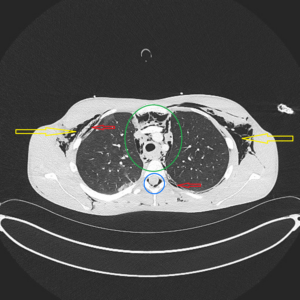
A CT scan

Above: A CT scan identified pockets of air around the spinal canal

Dr Ragda Abdallah, one of the study’s co-authors, says: “Vaping and the use of e-cigarettes is illegal in the UK for under 18s, yet their popularity is still rising rapidly, with recent research** suggesting that one in every five UK children aged 11 to 17 has now tried vapes.

“In the case of our study subject, this young person had been vaping quite intensely for around a year at the same time as inhaling cannabis. As a team of researchers, we know that one patient’s experience is not enough to draw any firm conclusions, but it does lead us to question whether air leaks are a further, potentially under-recognised complication of vaping and cannabis inhalation in young people.

“At this time, there have been only a few other similar reported cases, predominantly involving adults, reported worldwide.”
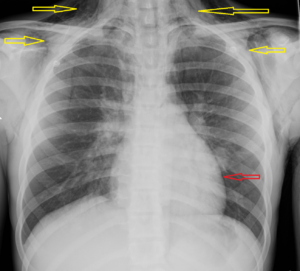
An X-ray

Above: An X-ray helps to diagnose air leak syndrome

Dr Abdallah continues: “For any parent, seeing your child rushed to A&E with chest pain, their face swollen, pulse racing and struggling to breathe, must be absolutely terrifying.

“Thankfully, staff were able to diagnose air leak syndrome and begin the appropriate treatment very quickly, but this still involved a 10-day stay in the paediatric high dependency unit (PHDU) where the young person was nil-by-mouth for a week and required intensive oxygen therapy through a mask.

“While much more research into long-term effects is needed, this case study sends a clear warning about the rare but potential side-effects of using vapes in particular.

“It’s also an indicator that we, as medical professionals, should be more open to the idea of damage caused by vaping or cannabis inhalation when looking for potential causes of chest pain and breathing difficulties in adolescents.”

Scott Crosby, Associate Director for the Centre for Excellence; a regional prevention programme tackling the three biggest killers; tobacco, alcohol and unhealthy food and drink, said:

“Protecting children from vaping harms is essential. Strong regulation is needed to reduce youth appeal and tackle illegal, unsafe devices, which often bypass safety standards and are linked to organised criminal supply chains.

“As the Chief Medical Officer says: ‘If you smoke, vaping is much safer; if you don’t smoke, don’t vape.’ Legal, regulated vapes help adult smokers quit, but no young person should ever use them. We support the Tobacco and Vapes Bill, which will tighten controls, strengthen penalties, and improve licensing to shut down the illicit market and protect children.”

Notes to Editor

Potential Association of Air Leak Syndromes With E-cigarette or Vaping Product Use-Associated Lung Injury (EVALI) was published in the Cureus Journal of Medical Science on 28 September 2025, authored by Dr Chidi Anakebe, Dr Ragda Abdallah, Dr Mahil Abdalla, Dr Fatima Taha, and Dr Haji Sheeraz Khan.

* Subsequent testing identified infections (flu and streptococcus pathogens) which may also have contributed to the patient’s acute illness.

** Use of vapes among young people in Great Britain, published by ASH, July 2025.

According to the UK Government, smoking and vaping are understood to cause around 80,000 preventable deaths in the UK every year.


Patients and families asked to support “Perfect Week”

Communications TeamNews

Perfect Week logo, a yellow background and a white giant tick with "Perfect Week" overlaid with white text on a blue background

Patients and their relatives are being asked to support hospital staff in Hull, Scunthorpe and Grimsby with three “Perfect Week” initiatives.

NHS Humber Health Partnership, like hospitals throughout the country, has faced significant pressure on services over winter, with patients waiting too long in its Emergency Departments or on wards waiting to go home.

Now, “Perfect Weeks” are being introduced at Hull Royal Infirmary from 23 February, Scunthorpe General Hospital from 2 March and Diana, Princess of Wales Hospital in Grimsby from 9 March so patients get the best possible experience.

Matt Powls, Group Chief Delivery Officer

Matt Powls, Group Chief Delivery Officer, said the targeted initiatives will see health care teams, including out-of-hospital services in local communities, working together more closely to deliver safe and effective care.

He said: “The main aim of these seven-day initiatives is to get our sickest patients onto wards to begin their treatment and back home as soon as they’re well enough.

“We’re focusing on lots of internal processes, such as ensuring every patient has an estimated date of discharge from the moment our clinicians decide they need to be admitted to hospital and making sure our specialists assess patients arriving in our Emergency Departments as quickly as possible.

“However, we’ll also be working closely with community partners, including councils, community health services and the voluntary sector, to get people well enough to be discharged out of hospital more quickly.

“Patients and their families can also help us by ensuring they have everything in place to go home at the earliest opportunity – like transport home, outdoor clothes and footwear and support for those first couple of days at home if your loved one doesn’t require social care.

“By preparing for hospital discharge early, we can make sure there are no delays once our clinical experts say a patient is well enough to leave hospital.”

Members of the public can also support the “Perfect Week” initiatives by only turning up at the Emergency Departments in Hull, Scunthorpe and Grimsby for serious or life-threatening problems.

Mr Powls said: “We will always be here for people who need us so anyone experiencing a health emergency should not hesitate to come to us.

“However, patients with genuine emergencies can wait longer when too many people with non-life threatening illnesses or injuries come to A&E when they could use alternatives like Urgent Treatment Centres, wait for a GP appointment or visit their local pharmacy.

“That stretches our staff to the limit, affecting waiting times for everyone. And if you come to us when you’re not a medical emergency, you’re likely to be told to go elsewhere.

“Most people know if they are a genuine medical emergency. So, before you call an ambulance or turn up at our A&E departments, please consider alternative services wherever possible. And remember, you can always call NHS111 or visit nhs111 online if you’re not sure of the best place to go for help.”

Perfect Week logo, a yellow background and a white giant tick with "Perfect Week" overlaid with white text on a blue background


Take part in research to help improve health outcomes

Simon LeonardNews

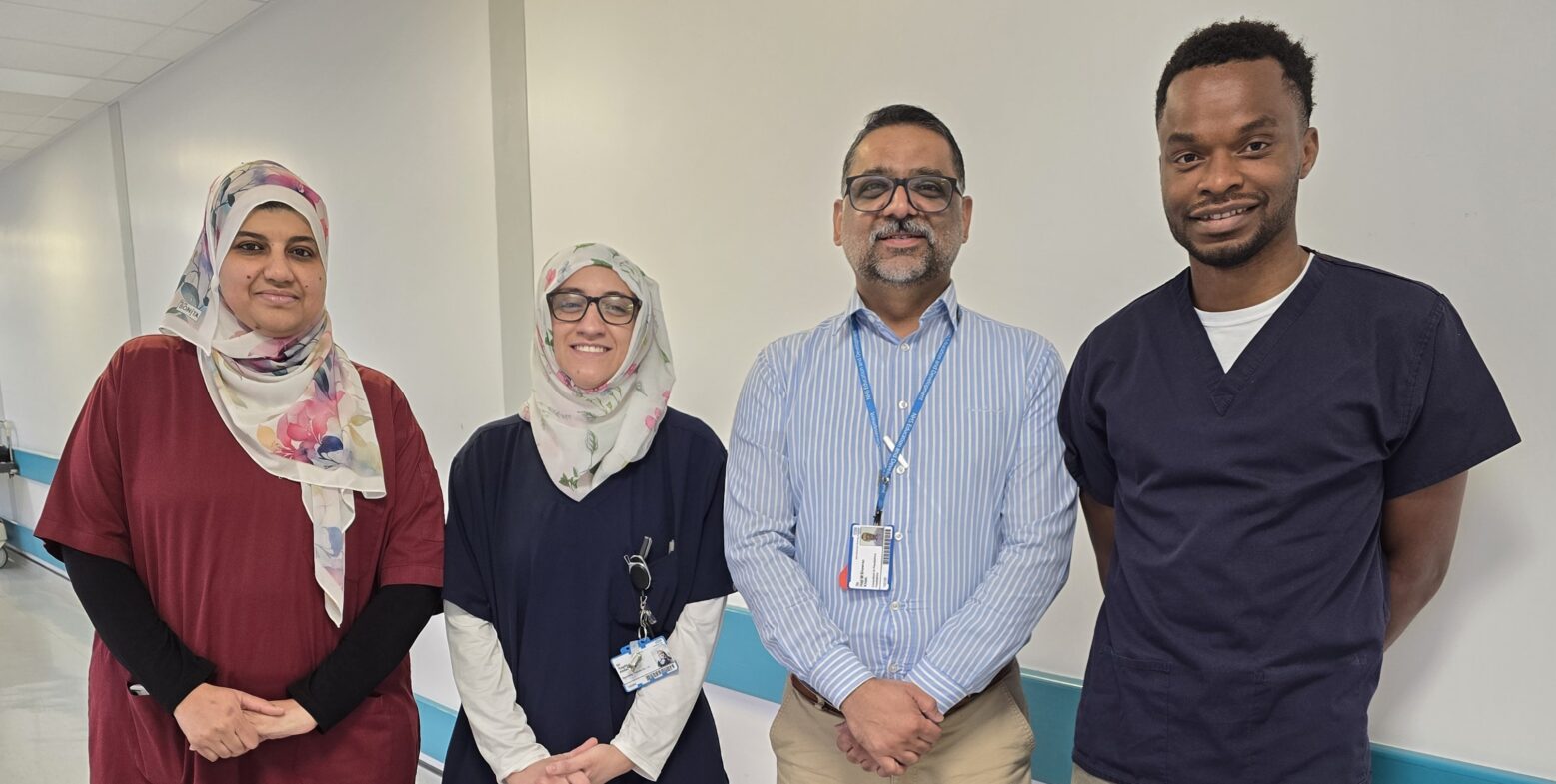
A group of NHS staff pictured outside

Researchers are aiming to find out more about risk factors for disease in the Black community.

The research team in The Queens Centre at Castle Hill Hospital are participating in a new project – ‘Improving Black Health Outcomes’ (IBHO) – which is led by Cambridge University.

People from ethnic minorities are under-represented in research meaning their specific health needs may not be appropriately addressed. This research aims to improve the understanding of inherited blood disorders which affect this community, but also for all health conditions people experience.

Most existing research on Black communities is based on European ancestry, meaning treatments and diagnostic tools may not work as effectively for people of African or Caribbean heritage. Increasing representation ensures more accurate data, better prevention strategies, and fair access to research and healthcare for everyone.

Professor of Haematology, David Allsup said: “Members of these communities are often under-represented in clinical trials for a variety of reasons, such as not being able to access the services or not being signposted to the research. We want to change this as participating in research is associated with better health outcomes.”

Tania Nurun, Senior Research Nurse, said: “Our aim is to deliver inclusive research, and we are pleased to be delivering a study that will contribute to and broaden existing knowledge. Clinical trial involvement offers many benefits, including early identification, effective signposting, and support with condition management, while most importantly supporting the delivery of evidence-based practice.”

Gemma Windass, Oncology and Haematology Research Nurse, said: “We often find that people don’t quite understand what’s involved in clinical research and they may have preconceptions about what it involves. For suitable patients, the IBHO study is very straightforward insofar as we take blood and saliva samples, and then we just need patients to complete a short health and lifestyle-based questionnaire. We hope members of our local black community, and anyone who’s currently living with sickle cell disease and Thalassaemia will recognise the real value of this piece of work. One size doesn’t fit all, and we want to do more to ensure these patients groups are fully represented when it comes to new and emerging treatments and our understanding of how disease affects them.”

A group of NHS staff pictured inside a building

Zowie Fussey, Oncology and Haematology Research Nurse, said: “We’re looking forward to getting started on this important piece of work. We want to make it as easy and convenient as possible for people to take part or find out more, so our patients will start to see us around the Queen’s Centre a little more often explaining the study while people are already here. Once we’re underway, we’ll also be going out into the community where we can explain the study and its benefits in non-hospital surroundings, and where people may feel more comfortable asking questions. It’s really about demystifying what research means; increasing confidence in our intentions, what the study aims to achieve, how we to plan to do this and explaining how taking part now can help improve treatments for generations to come.”

The study is open to anyone aged 16 and over from Black ethnic backgrounds to participate, whether they have a health condition or not. Anyone with a confirmed diagnosis of Sickle Cell or Thalassaemia can join, regardless of ethnic background. Children aged 15 and under with a confirmed diagnosis of Sickle Cell can also take part.

If you decide to join, you will need to donate a blood or saliva sample, and be asked to complete a health and lifestyle questionnaire. You’ll also need to fill out a consent form that describes how your data and samples will be used, and allows the IBHO to match you to specific research studies.

If you believe you are eligible and would like to take part, or have any questions, please email ibho@bioresource.nihr.ac.uk or visit the IBGO website for more information.

Have your say: 10-year cancer plan for Humber and North Yorkshire

Simon LeonardNews

A hand being held

The national 10-year cancer plan was published on Wednesday 4 February, following the publication of the 10-year health plan for England in July last year, which sets out fundamental reform of the NHS through transformational change to ensure its sustainability in the future.

The national cancer plan is part of this programme of reform, aiming to reduce lives lost to cancer (320,000 more lives saved over the next 10 years), improve performance, and improve quality of life for people being diagnosed with, treated or living with cancer.

In support of this reform, Humber and North Yorkshire Cancer Alliance is creating a long-term cancer plan for the region — and they need your insight.

  • Please take 10 minutes to complete a short survey to share your views
  • It’s open to: current and past cancer patients, and carers; people working in cancer services; people working in non cancer-specific healthcare services; general public
  • Your feedback will help shape our long-term priorities, on a wider range of topics, including: workforce, access to care, and innovation.


Complete the survey today:
 https://humbernorthyorkshire.engage-360.co.uk/surveys/192

Find out more.

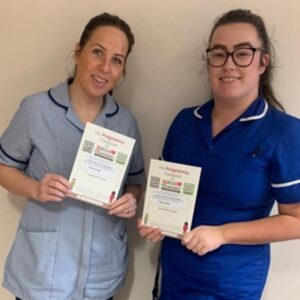
MAMA Pregnancy Passports introduced in our maternity units

Communications TeamNews

A generic image of a woman with long blonde curls holding her bump

National infant formula recall – information for parents and carers

Communications TeamNews

As reported in the national news recently, a number of infant formula milk products have been recalled due to safety concerns.

We would like to reassure local parents that, following a review of all of our hospital supplies, we found only one box matching the affected batch codes. This box was unopened, and it was withdrawn immediately.

We have received no reports of local babies being affected.

As a result of the recall, parents using SMA Gold Prem2 800g tins and 200ml bottles may temporarily experience some difficulty obtaining supplies of this formula. If your baby is being cared for in hospital now, we will provide you with a suitable alternative product. If you have difficulty finding supplies of this product once you have left hospital, Aptamil Nutriprem 2 can be prescribed as an alternative by your GP.

We are aware that the situation continues to evolve and we will monitor it closely for further updates.

If you have any concerns about your baby’s health, please contact your GP or NHS 111 as recommended by the UK Health Security Agency.

Full details of the infant formula recall and affected batches can be found on the Food Standards Agency website: https://www.food.gov.uk/safety-hygiene/infant-formula-recalls

Nursing apprenticeship event to be held next week

Simon LeonardNews

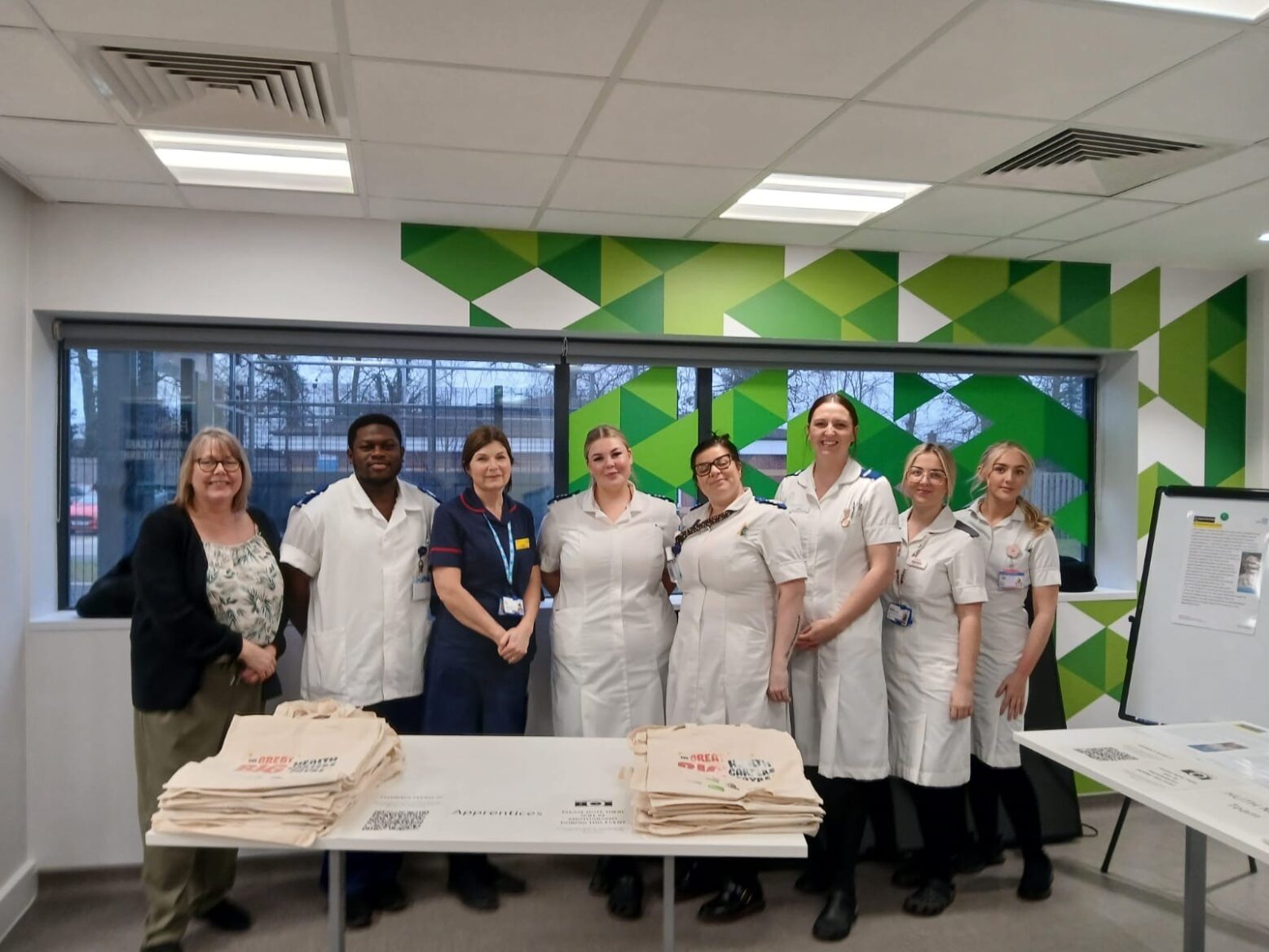
A group of NHS staff stood in front of a table

Are you interested in a career in nursing?

If so, come along to our nursing apprenticeship open event on Wednesday 11 February. It’s an opportunity for prospective apprentices and their families to learn more about nursing careers available via apprenticeship pathways at Hull Royal Infirmary and Castle Hill Hospital.

The event will highlight the full apprenticeship journey, from healthcare support roles through to the registered nurse degree apprenticeship, with input from current apprentices, programme leads and clinical teams who lead on apprenticeships at the Trust.

It takes place during National Apprenticeship Week, which runs from 9-15 February, and is one of a number of things happening across NHS Humber Health Partnership.

Registered Nurse Leanne Cross, who has recently graduated from a third-year nurse degree apprenticeship, has shared her story to encourage others to sign up.

She said: My journey into nursing started back in 2019 when my partner had suffered suddenly with a very rare condition, which resulted in him been admitted onto Ward 11 at Hull Royal Infirmary. During his five weeks on there, I took care of all his personal cares. This inspired me to want to become a nurse, but I thought I would never be able to get there with me having no qualifications. On the ward, I was inspired by a student who was studying a level 3 healthcare apprenticeship. I asked her how she applied for the job. She told me the website and said I needed my maths and English to apply.

“After some time when my partner got a lot better, I started to study maths and English once a week for a year until I passed. I applied for the healthcare apprenticeship in October 2019 at the age of 35 and I got the job. I was over the moon to begin my nursing journey. I spent 18 months on cardiology and one day a week at Hull College. I passed my exam and end point assessment, and I was awarded runner-up for the Best Healthcare Apprentice of 2023. I then enrolled onto the Registered Nurse Degree Apprentice Programme. I’m now currently in my third year of studying and will be a qualified registered nurse next year. The apprenticeship route suited me well, as I found it to be a more hands-on job gaining more experience. With me having a base ward, being a mum and having a house to run, having a learning programme which paid every month was a massive help.

“I chose to work for the Trust as they offer great opportunities for career progression. My ambition after qualifying and gaining some nursing experience is to become a specialist nurse in the future. I inspired my daughter into the same path when she left sixth form. She has finished her healthcare apprenticeship and is now in her first year at Hull University, studying her adult nursing apprenticeship. We both work for the same Trust, which is very lovely.”

You can find out more about our nursing apprenticeships online.

Widening Participation teams from both HUTH and NLaG will also be on hand at the event to answer questions about career engagement opportunities across NHS Humber Health Partnership.

So pop along between 4pm and 7pm to the Learning and Innovation Centre, Entrance 3, Castle Hill Hospital, Cottingham (HU16 5JQ).

Lucy Vere, Director of Learning and Organisational Development, said: “We had a fantastic turnout last year for our event and we’re hoping to see similar numbers this year. Apprenticeships are a great way of bringing new people into the NHS and also a way of developing our existing workforce.

“It’s important to remember that although apprenticeships are a great way for school leavers to start their careers, we have opportunities available across our sites for both new and existing colleagues.

“Many of those starting out as apprentices are still with us, having gained qualifications, secured permanent roles or promotions, and in many cases, they are now carving out careers for themselves within their chosen department or clinical speciality.”

Nurse retires after 60 years of service

Simon LeonardNews

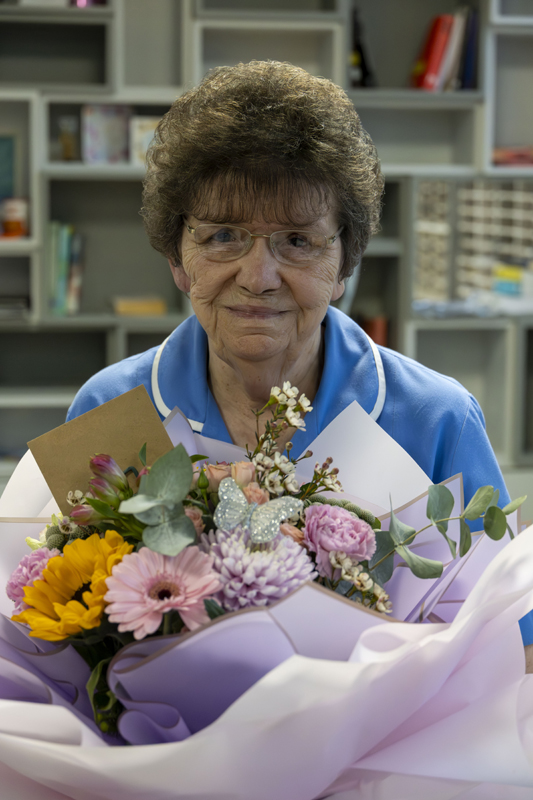
A nurse holding flowers

A Hull nurse has retired after spending 60 years working for the NHS.

Cath Lyon, a staff nurse at Hull Royal Infirmary’s Emergency Department (ED), spent her last day at work on Monday (2 February) – a few weeks before her 80th birthday!

Cath started her career in Hull on 1 August 1962 at the tender age of 16 – just a few days after finishing school. Aside from having a couple of years off to have her three sons, she’s spent her whole career at the hospital.

She said: “I was the last of the white cadets, and we used to do filing and tidying up in areas like X-ray and pharmacy. I studied to be a nurse alongside the job and I’ve been working in ED for 20 years.

“Before that, I was a night sister which has now been replaced by site matrons. We were responsible for the hospital on the night shift. My first role was as a staff nurse in neurosurgery, I remember it very fondly. We had our own night cook and they’d make you any food you wanted.”

Cath, who colleagues used to call “the minors’ queen”, said the advice she used to give to people wanting to be a nurse is “you need a good pair of hands and a good brain”.

Over the years, she’s seen many changes. One of the biggest is the introduction of digital ways of working in the NHS.

“Everything was pen and paper when I first started, there were no computers. The hospitals are also much busier than they used to be”, Cath added.

The highlight of Cath’s career has been caring for patients, something which is a big part of being a nurse.

She said: “I have loved every minute of it. Just being able to help patients when they need it, even if it’s something as simple as making them a drink or fetching them a blanket.”

Cath is now looking forward to spending time with her four grandchildren. She celebrated her final day at work with a send-off from her colleagues in ED.

A group of people, some wearing clinical uniforms, pictured with a nurse holding flowers

Cath Lyon and colleagues on her last day

Emma Jones, ED Matron, said: “Cath is known to us all as Mamma Cath. She is the kind of nurse who becomes the heartbeat of a place, and after 60 years of service to the NHS — retiring at the incredible age of 80 — her legacy is stitched into the walls of the Emergency Department.

“She kept us going through the hardest nights with perfectly timed midnight snacks, and she never allowed standards to slip. Caring, honest, and endlessly devoted to the ED, and could clean like no other.

“Cath showed us what nursing really means; compassion with backbone, humour with authority, and love for patients and colleagues that never once clocked off. We will miss you Mamma Cath.”

Hospital psychologist helping people with MS cope with pain

Communications TeamNews

Hull’s hospitals introduce specialist support for patients with dementia and delirium

Communications TeamNews

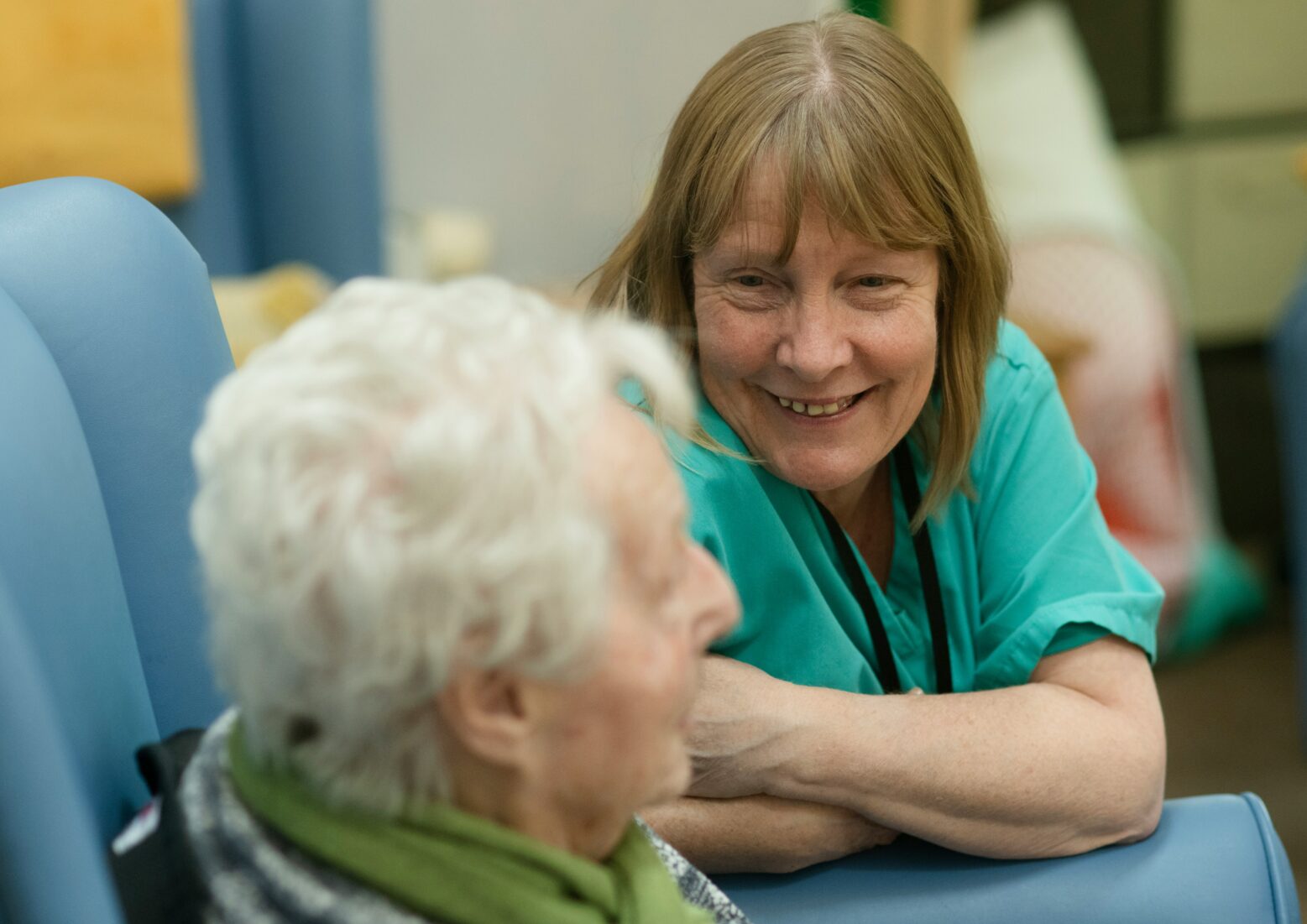
Hull hospitals have introduced a specialist support team to help patients living with dementia and delirium – and support the NHS staff caring for them.

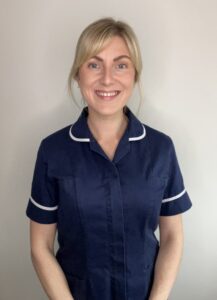
Michaela Ashurst has been appointed Dementia and Delirium Specialist Nurse to help patients admitted to Hull Royal Infirmary and Castle Hill Hospital and their relatives and carers.

She will work with the Alzheimer’s Society to support patients and families during hospital stays, with an advisor from the charity offering follow-up appointments six weeks after discharge to ensure they have the support they need.

Michaela said: “It’s important that patients living with dementia and their families get the right care and support when they’re admitted to hospital – and once they’re back home.

“We will be working with patients and families, as well as clinical teams, to ensure we deliver the best care possible to this very special yet vulnerable group of patients.”

Michaela developed a special interest in delirium, a sudden onset of confusion and cognitive impairment, often triggered by underlying medical conditions, and common in older people and those with severe illnesses, during her 12-year career in the Intensive Care Unit in Hull.

Now, after shifting to her new role, Michaela has extended her special interest to patients with dementia as well as delirium.

Research in 2019 showed that around 25pc of all patients admitted to acute hospitals in the UK were living with dementia but it’s believed that the percentage is much higher now. Just under one million people had been diagnosed with dementia in 2024, with the number projected to rise to 1.4m by 2040.

Hull Royal Infirmary and Castle Hill Hospital promote the Butterfly Scheme, allowing staff to identify patients with memory impairments quickly, and John’s Campaign, which recognises the irreplaceable role of families in caring for loved ones with dementia.  Carers are encouraged to register as Essential Care Givers, giving them unrestricted visiting to wards so they can comfort and reassure relatives during what can be a distressing time in the unfamiliar or frightening surroundings of a hospital.

Clinical teams including doctors, nurses, therapists and support staff also aim to create dementia-friendly environments on wards, with  “twiddle muffs” to offer sensory stimulation and reduce anxiety, Reminiscence Interactive Therapy Activities (RITA) to support cognitive engagement and meaningful occupation and dementia-friendly signage, communication strategies and calm ward spaces.

As well as supporting patients and families, Michaela and the Alzheimer’s Society will also offer education and training to ward staff so they can tailor care to a person’s needs, learn about their likes and dislikes and understand what can help them best during their time in hospital.

 Yoghini Nagandran

Dr Yoghini Nagandran, Consultant in Frailty at Hull Royal Infirmary, said: “As well as supporting patients diagnosed with delirium and dementia, the new team are also there to support families who are concerned about changes in their loved one but have not been diagnosed when they come into hospital.

“Early recognition is essential. We encourage anyone who has concerns about changes in a loved one’s memory, behaviour, or cognition to raise this with our medical or nursing staff so Michaela and the advisor can be alerted to help us deliver safer, more tailored care.

“Dementia affects individuals, families, and communities. By fostering understanding, early diagnosis and putting the person at the centre of everything we do, we can make hospital stays safer, calmer and more positive for people living with dementia.”