Pets, pianos and potting plants

Communications TeamNews

Time to celebrate the changing face of hospital volunteering this Volunteers Week
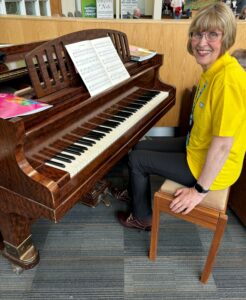
Wendy plays piano at the Queen’s Centre, Castle Hill Hospital

Think of hospitals, and most people think doctors and nurses, and yet for many people entering a hospital, one of the first people you’re likely to bump into is a volunteer.

Hospitals across the Humber are full of them, more than 650 in fact, working across Goole, Hull, Grimsby, Castle Hill and Scunthorpe, and that’s not including the four-legged variety!

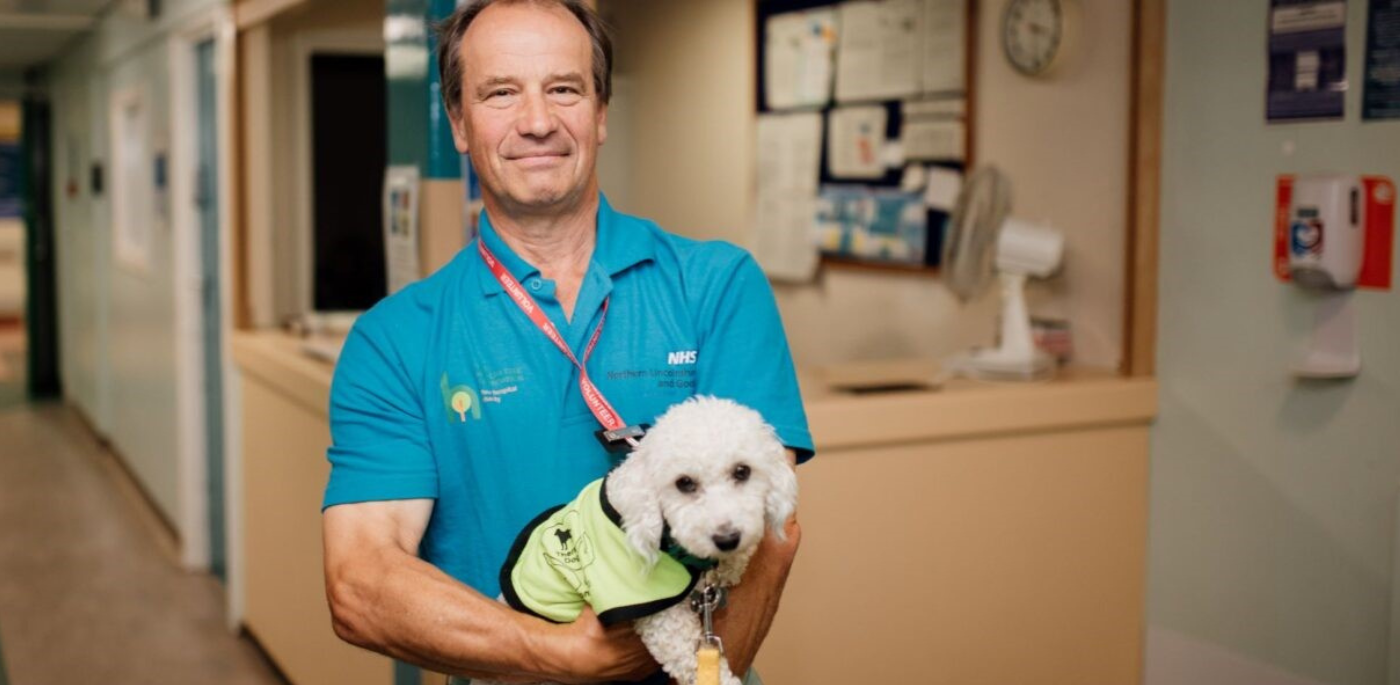
Their reasons for volunteering are many and varied: some want to share their talents such as Clive and Wendy who play piano each week for patients and visitors to the Queen’s Centre; some want to gain experience to help with a future career in health;, and others, like therapy dog Sammy who volunteers at Scunthorpe General Hospital, are just happy with a quick fuss and a treat.

Yet one thing they all have in common is the support they give to others, each playing an essential but sometimes unseen role in keeping our hospitals running smoothly.
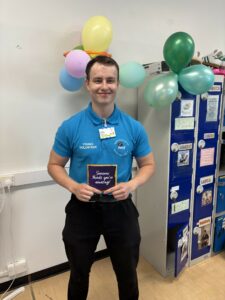
Humber Health Champion, Sam Stockdale, runs tabletop gardening for patients

As we mark the start of Volunteers Week 2025, hospital staff are keen to celebrate the people (and the pups!) who help them help others, and to say thanks for all they do.

Rachael Hardcastle-Pearce, Group Head of Voluntary Services says:

“We consider ourselves incredibly lucky to have more than 650 volunteers working with us across our five hospital sites. Some give a couple of hours a month, some would be here every day if they could, but it’s truly humbling when you consider how many people choose to give up their time for free to help our patients, visitors and staff.

“When you stop to think about the contribution they make, it’s actually incredible. Last year, our volunteers contributed almost 48,000 unpaid hours to our hospitals. But it’s not just the physical help they bring that’s so valuable, it’s their experience, their positivity, their understanding and that willingness to give something back to their community that’s really to be applauded.”
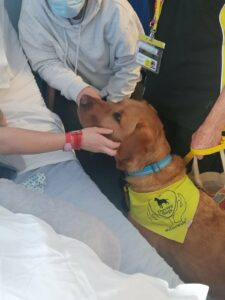
Jasper the therapy dog volunteers at Diana, Princess of Wales Hospital, Grimsby

Julie Dobbs, Voluntary Service Manager based at Scunthorpe Hospital says:

“Volunteering has changed a lot over the years, and while there’s still a place for the traditional ward trolley, we’re seeing volunteer contributions in so many different areas now, such as bereavement services, activity classes, gardening and complementary therapies.

“One of the biggest rises in our volunteer workforce of late has been among our young volunteers, the Humber Health Champions. Now constituting almost half of our volunteer workforce, the scheme gives young people aged 16 to 25 the chance to gain work experience, explore different career options, and determine which type of role might interest them or suit them best.

“Taking time to help young people gain that experience is really essential if we’re to help build the next generation of healthcare workers, and it’s fantastic to see how well those young people interact with older generations of patients in particular.

“We really would be lost without all of our volunteers and there’s no better time than now, during Volunteers Week, to say thank you to every single of them.”
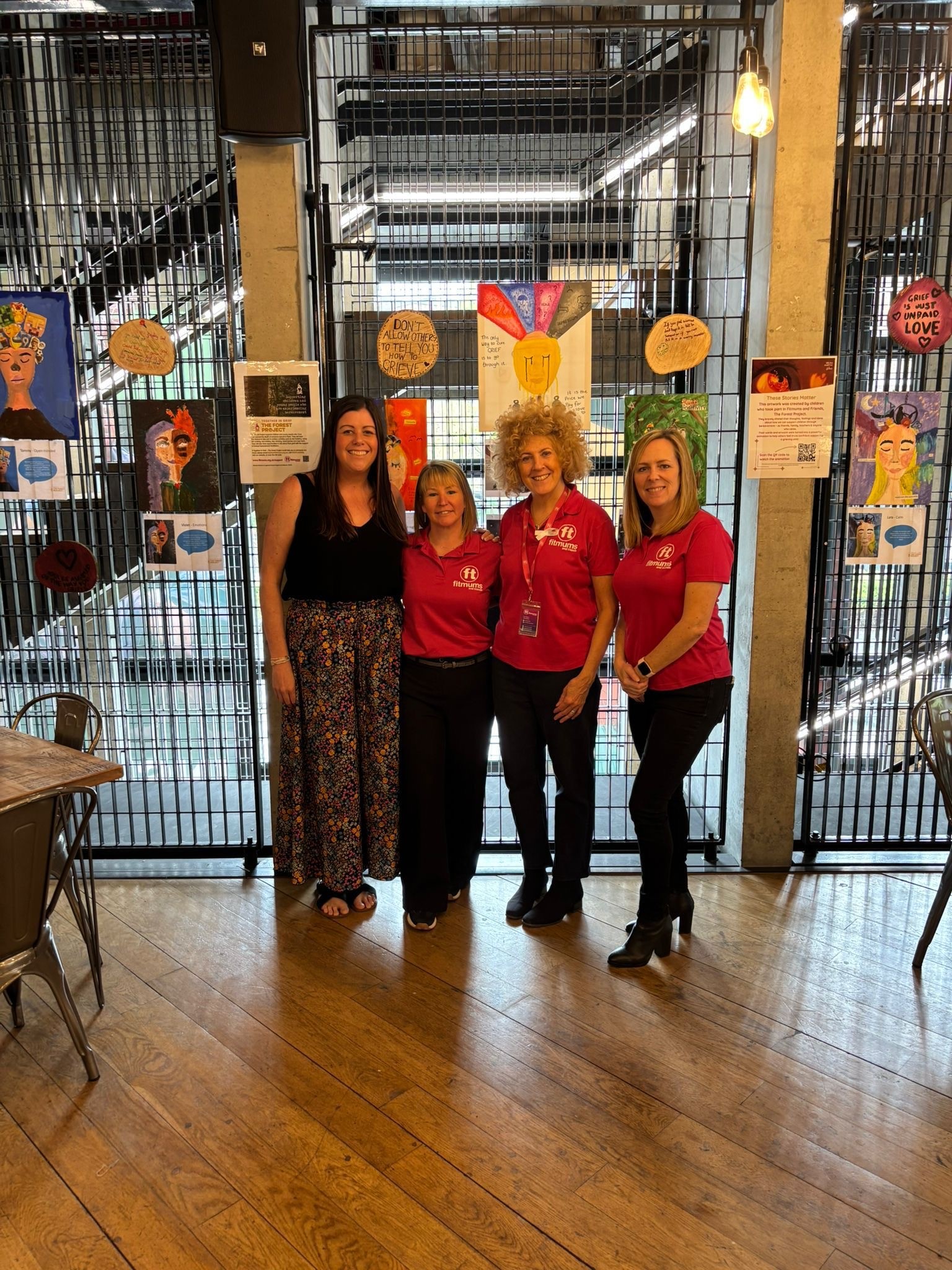
 

How we’re helping to support bereavement

Simon LeonardNews

The launch event for the animation

We’re helping support young people and staff who are dealing with bereavement.

A new animated video for bereaved children, which was launched at a recent event, has been created as part of an Ideas Fund project with local charity Fitmums & Friends.

It draws directly on children’s lived experiences to help others better understand and support other young people who are grieving, and aims to improve their mental wellbeing.

Alex Wray, End of Life Matron, was heavily involved in her role as a researcher for The Forest Project, which gives young people the opportunity to participate in forest activities such as den building, campfire cooking, tool making, tree climbing and forest games.

She said: “I started at the Trust in 2001, always passionate about end of life care. I completed my PhD at Hull York Medical School. It aimed to explore support experiences for children and surviving parents following the death of a co-parent. At this time, I met Sam from Fitmums & Friends.

The launch event for the animation

The launch event for the animation

“In 2023, Sam asked if I would like to be involved in putting in a bid for a second round of funding for The Forest Project. I was delighted to be invited by Sam to join the project as a researcher, and together we applied for additional funding to build on the project’s impact.

“As part of the project, we facilitated sessions with bereaved children to co-create resources. We then commissioned the artist Bruno Martini to do the animation, which we hope will be shared widely to raise awareness and spark conversations around childhood bereavement.”

There’s been some fantastic feedback from children who’ve been supported by the project. Some of the comments are below:

“Often I struggle talking but making friends and talking in a group is better. Everyone I’ve met has actually changed a lot about me. I have been more happy having friends and relating to what they have been through.”

“It helps me remember and it’s calm. My mum would have liked it here because of the colours and the mood of it. It’s so relaxing.”

The launch event for the animation

The launch event for the animation

We’re also supporting our staff with bereavement training, as part of an upcoming event which will see them shown the best ways to help speak to bereaved families and colleagues. Alex helps facilitate Dawn Bereavement Support, which offers monthly peer support for any bereaved adults, including staff. Sessions take place at Castle Hill Hospital. For more information, contact Sandra on 01482 61260.

Fitmums & Friends offer a range of bereavement support for adults and children in our area.

Heather Gibson, Bereavement Coordinator at Fitmums & Friends, said: “We started off as a running group but we now do many other things such as grief yoga, grief walks and much more. We’d be happy to help anyone who needs our assistance.”

For more information, please contact Heather at heather@fitmums.org.uk or Alex at alexandra.wray@nhs.net.

Relaxation to aid recovery

Communications TeamNews

VR technology transports cancer patients to the Northern Lights, mountain tops and beyond

A special virtual reality (VR) taster session is to be held next month for patients with cancer and their loved ones.

The Cancer Psychological Team, based at the Queen’s Centre, Castle Hill Hospital, has introduced VR after being awarded a cancer innovation grant from the Humber and North Yorkshire Cancer Alliance last year.

Funding to the tune of £1,600 was awarded to buy VR equipment to enable relaxation therapies to be delivered to young people being treated in the Teenage and Young Adult Unit (Ward 33).

Free VR taster sessions on offer at the Queen’s Centre

The project proved so popular that the cancer psychological team, led by consultant clinical psychologist, Dr Jennie Ormerod, has now invested in further equipment which patients of any age and their loved ones are being invited to road-test for the first time on Tuesday 24 June.

Dr Ormerod explains:

“We’ve been using VR headsets with our young patients since the start of the year to help with relaxation and the feedback has been fantastic.

“A cancer diagnosis can be really difficult to come to terms with, and treatment can sometimes be gruelling, so we wanted to be able to offer something to help our patients regulate their emotions and put them in a better place psychologically.

“We use ‘The Calm Zone’, an app which forms part of the ‘Brain Recovery Zone’ package developed by consultant clinical neuropsychologist Dr Katherine Dawson and rehabilitation medicine consultant Dr Abayomi Salawu back in 2019.

“Patients are invited to use the headsets to transport themselves to a range of relaxing landscapes including beach, mountain and forest settings and even the Northern Lights! Studies have shown that the same parts of our brain are activated in virtual environments as they are in real-life settings, and the skills we can learn in VR training have been shown to transfer into real-life settings too.

“We’ve had some great feedback from young people on the TYA Unit about how the VR experiences have helped to ease their anxieties, so we wanted to roll this out further.”

A dedicated headset is intended for use within the Macmillan Information Centre, at the entrance to the Queen’s Centre, where patients will be able to pre-book free relaxation sessions every Tuesday afternoon from 3rd June onwards. Acknowledging the toll that a cancer diagnosis can also have on loved ones, the VR relaxation headsets will also be available for use by family, friends and carers too.

Anyone with an interest who would like to know more or to try a VR headset with the help of staff is welcome along to the Queen’s Centre for an open taster session:

  • Tuesday 24 June
  • 10am to 2pm
  • Macmillan Information Centre, Queen’s Centre, Castle Hill Hospital

Visitors wishing to use a headset on 24 June will be accommodated on a first come, first served basis, with each session lasting no more than 15 minutes.

For any further queries, please contact the Cancer Psychological Service 01482 461060 or the Macmillan Information Centre on 01482 461154.

  Hospital appeal to transgender and non-binary people

Communications TeamNews

A row of multi-coloured hearts

Members of the transgender and non-binary communities should attend screening appointments to prevent the risk of developing breast cancer, a hospital specialist says.

Transgender men and women should undergo breast screening every three years after the age of 50 if they are registered with their GP as female. Transgender men and transgender women who are registered with their GP as male are not routinely called for screening but can request an appointment if they have any concerns.

Everyone aged 50 to 70 who is registered as non-binary with their GP is called for screening so no one misses out on this vital health check.

However, many in both communities fail to keep their appointments, with a national survey, published in 2018, showing 27 per cent of the 108,000 respondents were worried, anxious or embarrassed about attending appointments or accessing health care.

Lesley Peacock, Programme Manager for Humberside Breast Screening Service, said her team understood that attending appointments can be a major source of anxiety for non-binary and transgender people.

She said: “We understand how difficult this can be for you but our staff are here to help and support you. If you are worried or concerned, you can contact the service first or speak to our staff on the day so we can allay any fears or take any steps to put you at ease.

“Breast screening saves lives as early detection significantly increases the chances of successful treatment and recovery.

“Transgender and non-binary individuals are no exception – your health matters. Keep your appointment because we’re here for you too.”

All women of all gender identities, regardless of re-assignment status, receive appointments for breast screening around their 50th birthday and will be called every three years until they are 71.

Transgender women (assigned male at birth) and transgender men (assigned female at birth) who are registered with a GP as female are invited for breast screening. Transgender women (assigned male at birth) and transgender men (assigned female at birth) who are registered with their GP as male are not routinely invited for breast screening but can request screening.

For non-binary people, anyone assigned female at birth who has not had their breast tissue removed (top surgery) and those assigned male at birth who have been receiving female hormone therapy for at least two years should attend breast screening appointments.

However, people assigned female at birth who have had their breast tissue removed or those assigned male at birth who have not had female hormone therapy do not require a mammogram because their risk is low and equivalent to that of a cisgender male.

Anyone who is concerned about attending breast screening appointments, regardless of their gender, or is unsure whether or not they should be attending screening appointments can email humberside.breastscreening@nhs.net or call  01482 622300.


Hull headache specialist attends garden party by Royal Appointment

Communications TeamNews

A consultant from Hull who has dedicated his career to supporting people with headache and migraine has been recognised at this year’s Royal Garden Party.

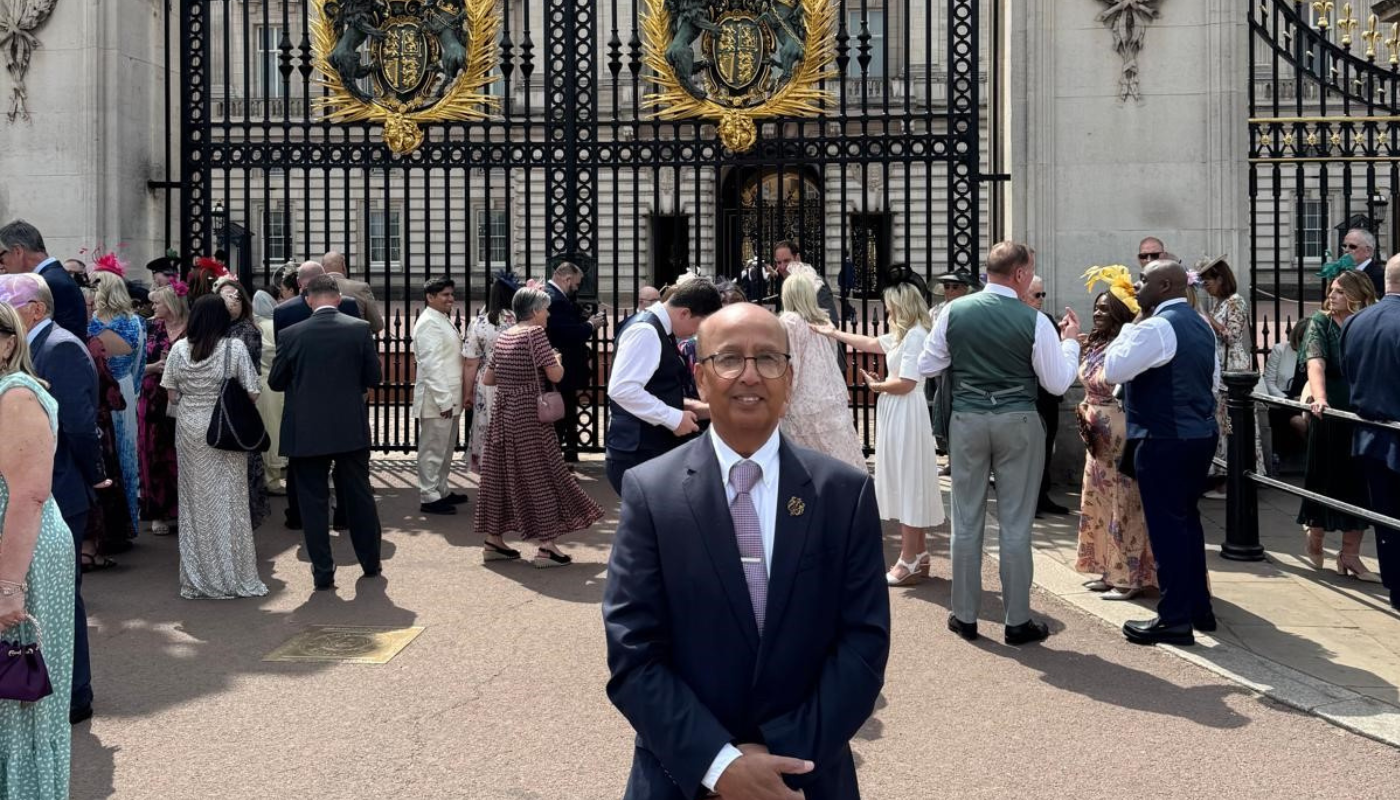
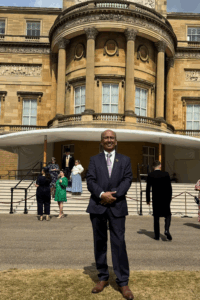
Professor Fayyaz Ahmed, a consultant neurologist based at Hull Royal Infirmary, attended the Royal Garden Party at Buckingham Palace yesterday in recognition of his public service.

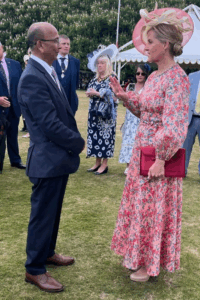
Man in suit talking to woman in dress

Professor Ahmed chats with Sophie, Duchess of Edinburgh

Professor Ahmed, who is also an honorary advisor with the British Association for the Study of Headache, a Trustee of the International Headache Society and the Migraine Trust, and a senior lecturer with Hull York Medical School, has made it his life’s work to promote research, to facilitate new treatments and to improve both public and professional understanding of headache and migraine.

He has also gone to great effort to raise the profile of Hull nationally and internationally, working with neurology colleagues to organise and host the biennial National Meeting on Headache in the city since 2005, attracting experts from across the globe.

Professor Ahmed says:

“About three weeks ago, my daughter told me I’d received a letter from Buckingham Palace. I thought she was joking until she placed the envelope in front of me, stamped with the official seal of the palace.

“The first thought that crossed my mind was that maybe I had made a mistake or one of my patients, who has royal connections, had lodged a complaint against me and the order was to revoke my British citizenship!

“Nervously, I opened the envelope quickly, and inside was an invitation card stating that, by order of His Majesty the King, I was invited to a Royal Garden Party, along with an entry ticket. I was utterly astonished and wondered what I had I done to deserve such an honour from the King.”

Being chosen to join a Royal Garden Party is still somewhat of a rarity. Just a handful of Royal Garden Parties are held each year, with around 8,000 people in attendance at each one, all representing a range of different backgrounds, organisations and public services from across the country.

“After becoming a professor in 2020, I had already fulfilled all the aspirations of my professional life. I had even been elected to the International Headache Society, so receiving this invitation was beyond anything I had ever imagined; a major honour.”

Professor Ahmed at Buckingham Palace

Arriving at Buckingham Palace by black cab, Professor Ahmed enjoyed two hours of entertainment, music, food and conversation in majestic garden surroundings.

He was able to shake hands with members of the Royal Family, including Prince William and Princess Kate, as well as Prince Edward, Duke of Edinburgh. Professor Ahmed was also fortunate enough to meet Sophie, Duchess of Edinburgh, and enjoy a chat about his clinical profession, how migraine runs in families and why women tend to suffer more than men.

“There was an impressive sense of order, respect and discipline at the event. Even though people didn’t know each other, they greeted one another as if they’d been acquainted for years,” Professor Ahmed continues.

“The palace staff were extremely polite, sincere, and friendly. They treated every guest with great respect and courtesy, and they continued to check in frequently to see if anyone needed anything.

“The royal refreshments included sandwiches, cream cakes, and pastries, along with tea and cold drinks. The weather was beautiful — 23°C with sunshine, perfect for a garden party and a walk around the lake and the grounds of Buckingham Palace which were simply stunning.”

At 6pm, the national anthem played again to mark the end of what had been a day to remember, and one which has been well-earned by Professor Ahmed over a long and dedicated career.

New home for children’s day surgery

Communications TeamNews

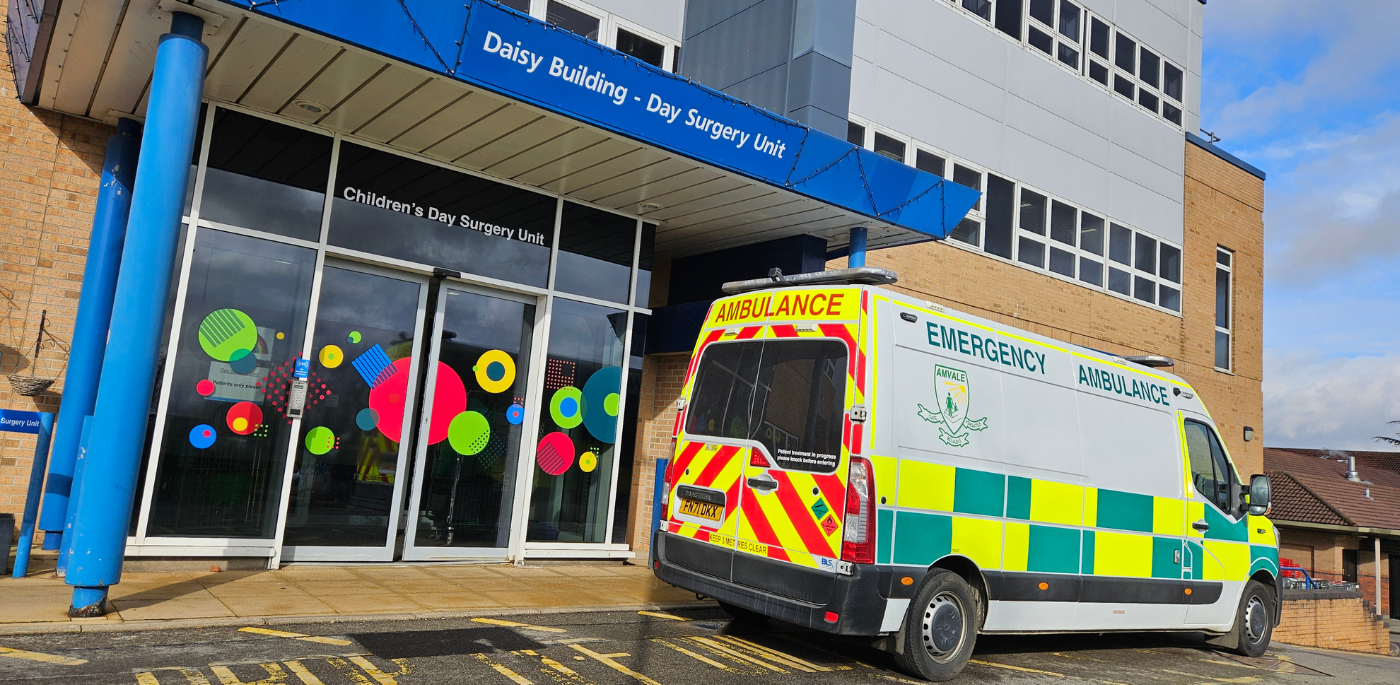
Castle Hill’s Daisy Building is now home to specially tailored facilities for children and young people

Routine operations for children across East Yorkshire are being conducted in dedicated new facilities, designed with the needs of children and families in mind.

In the space of just a few weeks, the ground floor of the Daisy Building at Castle Hill Hospital has been revamped and repurposed to operate as a standalone paediatric day surgery unit.

Previously, operations such as tooth extractions, tonsillectomies and circumcisions which would ordinarily see children in and out on the same day would be carried out at Hull Royal Infirmary (HRI). This was less than ideal however, as the hospital’s day surgery theatres were also used for adult patients and there was no dedicated children’s recovery space, meaning valuable beds were often used for this purpose on paediatric inpatient wards.

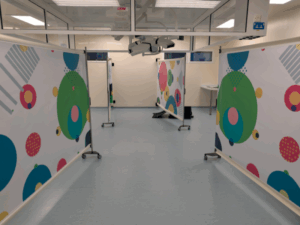
Surgical theatres continue the bright colour scheme

Now, in line with NHS best practice and to complement the £40m adult day surgery unit on site, quality care for children requiring routine operations in specialties such as orthopaedics, ophthalmology, and maxillofacial surgery* is available in a separate, custom-designed space.

Dr Caroline Hibbert, Medical Director (North) has overseen the relocation of the service from Hull Royal Infirmary to Castle Hill. She says:

“Since the former Duchess of Kent Day Surgery Unit at Hull Royal Infirmary changed to become an Urgent Treatment Centre, we have been working to identify a suitable alternative, permanent space to house paediatric day surgery.

“Staff have been instrumental in developing plans for the new unit and ensuring it has everything to meet both their professional needs and the needs of our young patients and families. A number of simulation exercises took place before the doors opened which allowed us to test the environment and practical elements of delivering care in the new unit, and now that we’re up and running, the teams there are expecting to carry out around 700 procedures in the first year alone.

“In fewer than three weeks of conducting the last operation at HRI, the team was able to reopen at Castle Hill in a standalone unit, suitably decorated and technically equipped, which not only provides a much better experience for children and families, but also now gives staff a work environment to be proud of, and somewhere to call home.”

Kwikscreens help to shield children’s eyes from surgical equipment

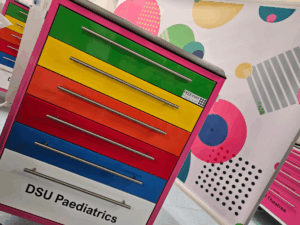
Starting at the front door, the design of the unit features bold and colourful shapes which have been copied across from HRI to provide some familiarity for children who regularly use hospital services.

Inside, there is an area within the waiting room aimed at younger children which features smaller furniture and wildlife characters on the walls.

There are two operating theatres which can run concurrently, and recovery space for up to 16 children. Inside each theatre, teams make use of ‘kwickscreens’, highly decorated screens designed to minimise stress by preventing children from seeing medical equipment and surgical instruments while they are being anaesthetised.

Consideration has been given to the requirements of children with additional needs, and some parts of the unit feature adjustable lighting levels and comfortable furniture which can help to reduce anxiety among children both before and after surgery.

And the feedback from parents and families so far suggests the team has got things spot on. One hundred per cent of patients in the first month of opening rated the Paediatric Day Surgery Unit ‘5 Star’, with one parent saying:

“There was a very calm atmosphere. All staff were really helpful throughout the afternoon. I cannot thank the surgeon, Mr Haeney, Mark the anaesthetist and Jenny the recovery nurse enough for their patience, calm and reassuring approach throughout the full process, particularly in surgery. The full team in theatre was caring and attentive; I could not have asked for more.”


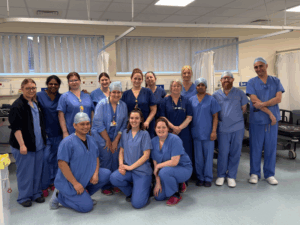
Some of the theatres staff who worked in the day surgery unit on opening day

Another parent was particularly complimentary of the care shown to all members of the family, saying:

“Staff were all very nice and welcoming. They were great with the children, so helpful, they talked through everything and answered all the questions I had. They looked after my daughter so well.”

Oral Surgeon, Mr Pete Brotherton, undertook the first theatre list in the new unit on opening day. He says:

“It was good to operate in the Daisy Building theatres after months of planning. A lot of effort has gone into to the relocation and delivery of secure paediatric day surgery services at Castle Hill Hospital.

“On the day, there were a few little snags that were perhaps to be expected, but everyone worked hard to resolve these and all our children were treated successfully.

“The day surgery staff seem happy in their new home, the work area allows for patients to be moved through safely and efficiently, and all of my subsequent surgical lists have gone really well.

“I’d like to offer my thanks to the staff, patients and families attending that first day for their support, and to Dr Fish who operated alongside me.”

Children and families are now able to take a virtual tour of the unit before they arrive via the Little Journey app, which uses photos and information to help familiarise people with their surroundings before attending for their procedure. Little Journey can be downloaded free from the Google Play Store or Apple’s App Store.

New treatment pathway for patients with severe nose bleeds

Communications TeamNews

Patients experiencing severe nose bleeds are avoiding unnecessary stays in hospital thanks to a change of treatment pathway at Hull Royal Infirmary’s Emergency Department.

Becky Collingwood and Philip Johnson, Advanced Clinical Practitioners (ACPs) at NHS Humber Health Partnership, trialled a new way of helping patients with severe nose bleeds, known as epistaxis.

Around 60pc of the population will experience epistaxis although only six per cent will need medical attention. Previously, those patients had to undergo first aid, silver nitrate cautery and the potentially traumatic insertion of nasal packs.

Now, patients are given an injection of Floseal liquid to halt the bleeding, with results showing almost two-thirds of patients rushed to Hull Royal’s Emergency Department were able to go home following the application of the liquid instead of being admitted to Castle Hill.

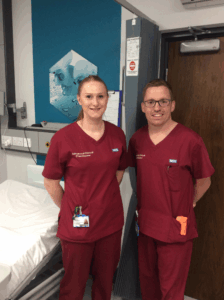
ACPs Becky Collingwood and Philip Johnson

Philip said: “It’s a far better experience for patients as they can go home to recover instead of having an invasive and potentially uncomfortable procedure then a stay in hospital for observation following what can be a traumatic event in the first place.”

Patients of all ages can experience epistaxis although it can affect older people who have thinner blood vessels or may be on blood-thinning medication. It’s common in children over two and peaks in children younger than 10 and in adults aged between 70 and 79

During the trial between December and February, the average age of patients attending ED with nose bleeds was 71 and they were seen by a member of the Ear, Nose and Throat (ENT) team in the Minors Unit, the Resus Department and the Same Day Emergency Care Unit.

Becky said before the new trial, some patients faced overnight stays after the nasal packs were inserted but others faced longer stays, resulting in an increased risk of infection and potential muscle wastage linked to stays in hospital.

“With the new treatment, the liquid is applied into the nostril directly and it hardens in the nostril to control the bleeding,” Becky said. “There is no need for removal as the hardened liquid dissolves over the following six weeks so there’s less discomfort for patients and, more importantly, there’s no need for hospital admission.”

Not only is providing a better patient experience, the new treatment costs around one-fifth of the cost of transfer and admission to hospital, saving the NHS around £10,000 during the trial.

Becky said: “We’re now using the results to create a more formal pathway so this treatment can be offered to all appropriate patients who come to us with severe nose bleeds.”

Meet our award-winning staff

Simon LeonardNews

HYMS Awards

Some of our staff have scooped awards at this year’s Hull York Medical School (HYMS) Teaching Excellence Awards.

The full list of nominees, and details about the criteria for the different categories can be found on the HYMS website. The awards are for those staff who have inspired, supported, and had a positive impact on students’ lives and education.

Our Group Chief Medical Officer, Dr Kate Wood, said: “I want to say a huge thank you and congratulations to all our staff who have been nominated, as well as those who were winners, at this annual event which recognises the outstanding contribution from people in training medics of the future.

“What makes these awards so special is the nominees and winners are submitted and chosen by the HYMS students themselves. It was fantastic to hear how our staff here NHS Humber Health Partnership are supporting and inspiring the next generation of doctors.”

Below are our winners from both Northern Lincolnshire and Goole NHS Foundation (NLaG) and Hull University Teaching Hospitals NHS Trust (HUTH), with some of the comments from the students’ who nominated them:

Undergraduate Medicine Phase I and Gateway Tutor of Excellence Award

Dr Yun Xin Koh, Clinical Placement Tutor, Secondary Care (Clinical Teaching Fellow), HUTH, for taking teaching to another level, excelling in explaining difficult concepts clearly, and for one student was the reason they looked forward to their hospital placements.

Undergraduate Medicine Phase II and III Tutor of Excellence Award

Mr Ganapathy Dhanasekar, Clinical Placement Tutor – Secondary Care (Ear, nose and throat), NLaG, for being an outstanding clinician who is approachable, friendly in nature, and for his reassuring and supportive presence. One student also said the impact he had had on his medical education had been profound

Miss Hina Ejaz, Clinical Placement Tutor – Secondary Care (Obstetrics and Gynaecology), NLaG, for making each student feel valued and supported. She also embodies the core values of the school in everything she does and sets a shining example of professionalism, compassion and excellence.

Dr Louise Karsera, Clinical Placement Tutor – Secondary Care (Oncology), HUTH, for really helping students develop their knowledge of oncology, being thorough and allowing everyone to contribute.

Administrative Support Award

Louise Coult, Deputy Undergraduate Manager (Scunthorpe), NLaG for taking a genuine interest in each student individually, ensuring people feel supported through their placement, for having a deep commitment to student success.

Team Excellence Award

Emergency Department: Hull Royal Infirmary, HUTH for ensuring students always felt supported and valued, for offering constructive feedback, making sure students were comfortable and confident in their techniques, and finally for treating each patient with respect and urgency, while also considering students’ educational needs.

Energy Secretary visits Castle Hill Hospital

Communications TeamNews

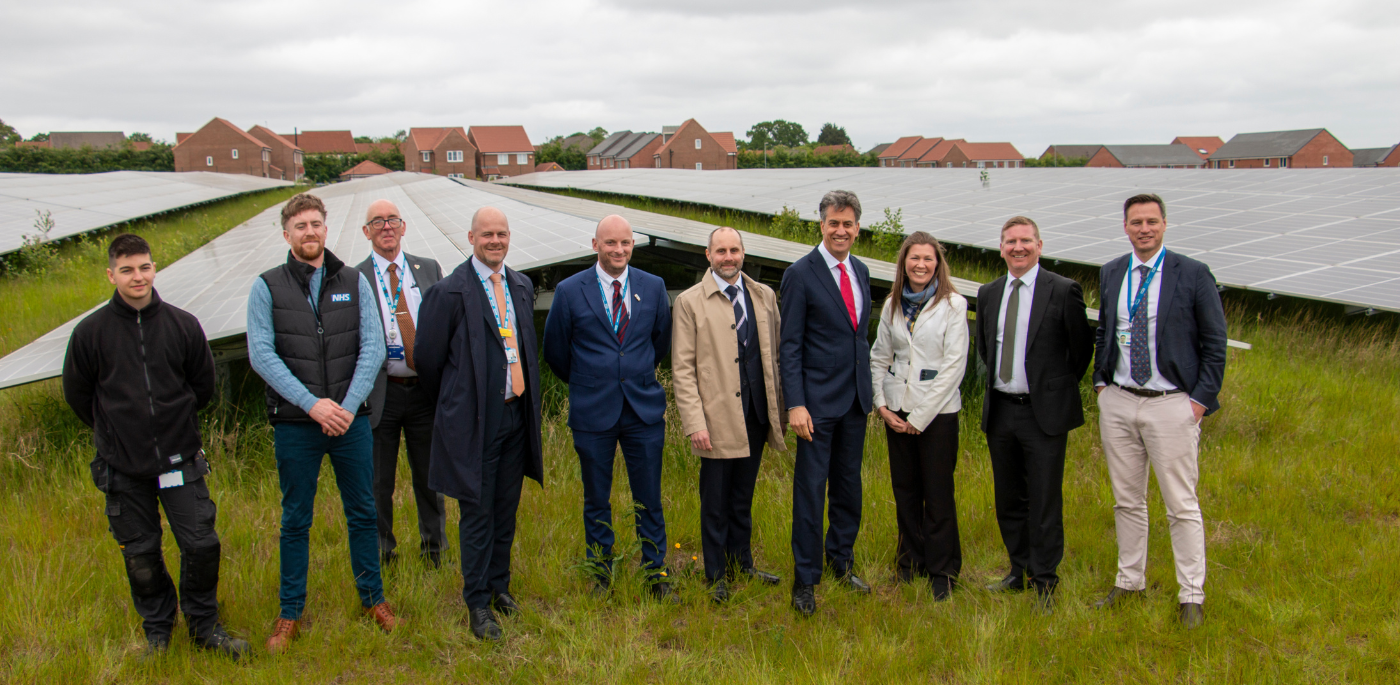
Group of people standing in a field in front of solar panels

Castle Hill colleagues welcomed a special visitor today in the form of Secretary of State for Energy Security and Net Zero, Rt Hon Ed Miliband MP.

Mr Miliband visited the hospital today to speak with staff about our work on green energy and sustainability, before heading over to the solar field for a walk-around.

The visit coincides with legislation for Britain’s new publicly-owned energy company, GB Energy, passing through Parliament today.

Mr Miliband was joined on his visit by Chris Gormley, Acting Chief Sustainability Officer for the NHS and Dan McGrail, Interim Chief Executive Officer for GB Energy.

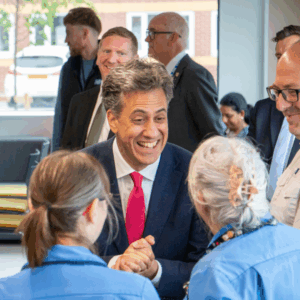
There was time for a quick hello with staff inside the Learning and Innovation Centre (left), including some of our clinical nurse educators and members of the portering team on arrival.

Then our visiting VIPs spent time with Tom Myers, Group Director of Estates, Alex Best, Group Deputy Director of Capital Services, and Marc Beaumont, Head of Sustainability, discussing the benefits the solar field has delivered to date.  During times of peak generation, the solar panels at Castle Hill can power the hospital completely, saving in excess of £200,000 per month, and there are plans to further enhance this through battery storage in the coming weeks.

They also discussed plans for solar projects at HRI, Scunthorpe and Grimsby which will be supported by grants amounting to £8.5million from GB Energy, as follows:

    • Hull Royal Infirmary – £6,063,236 to install a mixture of solar car ports into staff parking areas and roof mounted solar PV. Together, these will generate estimated savings of £635,080 per year.
    • Diana, Princess of Wales Hospital, Grimsby – £1,328,496 to install further roof mounted solar PV, generating estimated savings of £179,632.89 per year.
    • Scunthorpe General Hospital – £1,069,111 to complement the PSDS works currently ongoing on this site.
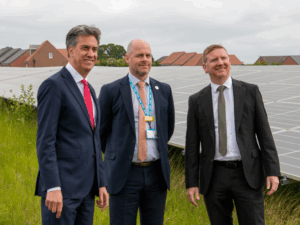
L-R: Rt Hon Ed Miliband MP, Tom Myers and Dan McGrail

L-R: Energy Secretary, Rt Hon Ed Miliband MP, Tom Myers and Dan McGrail

These solar panels are expected to be installed this summer, and are collectively projected to deliver up to £14.2 million in lifetime bills savings.

The NHSHHP allocation is part of a £200 million UK-wide solar scheme, which is set to deliver new rooftop solar power and renewable energy schemes for schools, hospitals and communities.

Energy Secretary Ed Miliband said:

“Castle Hill Hospital is a fantastic example of how solar power can slash energy bills, allowing money to be spent on hospital services.

“That’s why Great British Energy is rolling out the first dedicated solar scheme for the NHS, with solar panel funding going to three hospitals in the Humber region.

“This is our clean energy superpower mission in action, with lower bills and energy security for our country.”

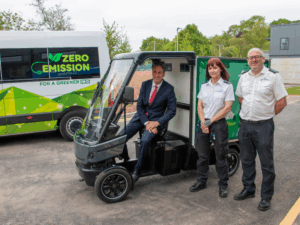
Ed Miliband with porters on the eCargo bike

Ed Miliband seated in the eCargo bike alongside porters Leanne and Tony

Tom Myers, Group Director of Estates for NHS Humber Health Partnership says:

“Castle Hill Hospital, and our local community, have been enjoying the benefits of green energy for well over two years now. Not only do our solar fields save us thousands of pounds on energy bills, but they also help to reduce emissions and they power the equipment used to operate on patients, to deliver treatment, and save lives.

“Knowing the potential which solar energy has, we’re thrilled to have been chosen to receive further funding of £8.5m for solar projects across our other hospital sites in Hull, Scunthorpe and Grimsby; funding which will ultimately help to make Scunthorpe General Hospital in particular one of the greenest hospital sites in the country.”

Brain tumour patient donates painting to neurosurgeons

Communications TeamNews

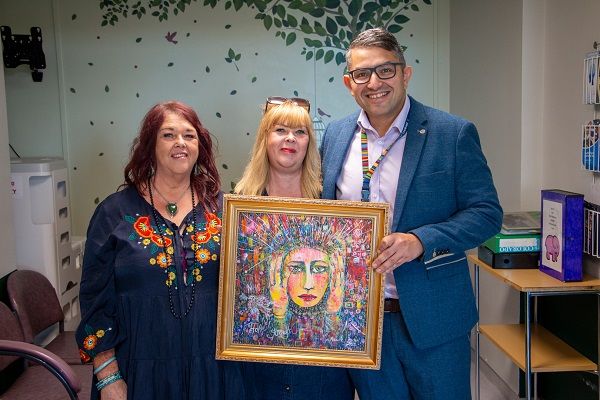
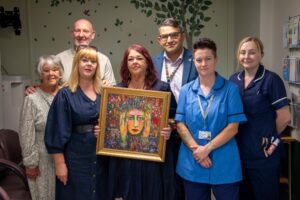
Nicola Crofts holds the painting with her sister Michelle Pearson on the left and Neurosurgeon Mr Adam Razak on the right

A woman saved by the neurosurgery team at Hull Royal Infirmary has presented a painting created by her sister to the ward as a “thank you” for giving her back her life.

Nicola Crofts was diagnosed with meningioma, a tumour that forms in the membranous layers surrounding the brain and spinal cord,and underwent brain surgery carried out by Consultant Neurosurgeon Adam Razak and his team last April.

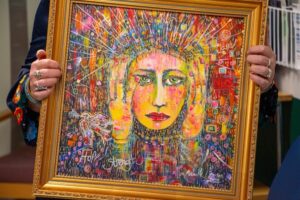
Nicola’s artist sister Michelle Pearson created the oil on canvas to reflect Nicola’s journey after she was diagnosed.

“It reflects how I was feeling at the time – the frustration, the pain and the fear – and, even now, I look at that picture and it’s amazing,” says Nicola. “It captures it all.

Now, a year and a day after surgery, Nicola has returned to Ward 4 at Hull Royal Infirmary to present Mr Razak and staff from the ward with the oil painting charting her journey from diagnosis to surgery and then recovery after the tumour, thankfully non-cancerous, was removed.
Nicola, who lives in Sutton-on-Sea in Lincolnshire, said: “When I was diagnosed, I did think I was going to die, although I never told anyone.

“I’d two close family members who’d died from brain tumours and that knowledge, along with physical anxiety caused by the tumour, did have an impact on me. I took myself away from everybody – my family, my friends and my colleagues at work.

“But having surgery completely changed my life and brought me back to the person I was before.

“When you’ve been in that position, it’s hard to thank someone enough for what they’ve done so this is a way of trying to show them how they helped me.”

Nicola’s family have strong ties with Ward 4 as her brother-in-law Paul Walden, husband of her sister Mandy, underwent treatment for glioblastoma, an aggressive form of brain tumour, there before his death in November 2020.

“Mandy and her two daughters say Paul received amazing treatment on Ward 4 and remember how wonderful the staff were,” Nicola said.

Front-row-Nicola-Michelle-and-Nurse-Practitioner-Holly-Morris-Montesanto-Back-row-Nicolas-mum-Betty-her-husband-Ian-Mr-Razak-and-Neurosciences-Ward-Sister-Stacy-Dixon

Front-row-Nicola-Michelle-and-Nurse-Practitioner-Holly-Morris-Montesanto-Back-row-Nicolas-mum-Betty-her-husband-Ian-Mr-Razak-and-Neurosciences-Ward-Sister-Stacy-Dixon


“My sister painted me another picture once I’d recovered and she said she would like to donate this one to the ward where staff, the surgeons and patients might be able to relate to it.”

Nicola offered the painting to Mr Razak when she came to the hospital recently for a review and was given the all-clear.

Members of the team who had cared for Nicola before, during and after surgery, gathered on the ward when Nicola and Michelle returned to Hull Royal this week to present them with the painting.

Mr Razak said: “It’s a beautiful painting and we’re so touched that Nicola and Michelle would think to donate it to the ward. I’m sure it will bring comfort to many people.”