Hospital group responds to NHS Oversight Framework ratings

Communications TeamNews

A spokeswoman for NHS Humber Health Partnership said: “Our current NHS Oversight Framework (NOF) ratings rightly reflects the scale of the challenges we face. However, we also welcome the additional support it unlocks so we can accelerate clinically-led improvements already under way.

“Patient safety is at the centre of our improvement plan, the driving force behind all clinically-led changes, and its importance is underlined daily to staff at all five hospitals. Our Chiefs of Service, some of our most highly skilled and experienced doctors, are now integrated into our Senior Leadership Team, empowered to make decisions and allocate resources to deliver safe, effective care. The establishment of a Clinical Policy Group is also giving senior nurses, medical directors and clinical specialists a powerful, collective voice, ensuring clinical perspectives inform and direct every decision as we strive for excellence in patient care and patient safety.

“Operating theatre capacity is being maximised at all five hospitals as we tackle waiting lists and support for tertiary services – covering everything from neurosciences to major trauma to address the specific and often complex needs of our population – is being strengthened to allow these highly specialised services to thrive.”

Achieving a seamless health and social care system with Humber and North Yorkshire Integrated Care Board is central to the partnership’s improvement plan.

The spokeswoman said: “We’re working closely with community health providers so people receive the right care closer to home, avoiding unnecessary trips to our emergency departments, wherever possible.

“We’re also driving deeper coordination with local authorities so patients well enough to leave hospital can be discharged safely, with appropriate levels of support, so those who need hospital care can be admitted without delay.

“We are realistic about the scale of the challenges we face. Some changes are happening quickly – others will take more time.

“Our doctors, nurses, and healthcare professionals are highly skilled and deeply committed to providing the best possible care with the highest standards of patient safety. But to make lasting improvements, we must ensure their expertise is at the heart of how we lead and make decisions. That’s why we are working to strengthen and improve the services we deliver by empowering our experienced clinicians to deliver and shape the services our communities receive today and tomorrow.”
New patient meals initiative reduces food waste

sarah.howson3@nhs.netNews

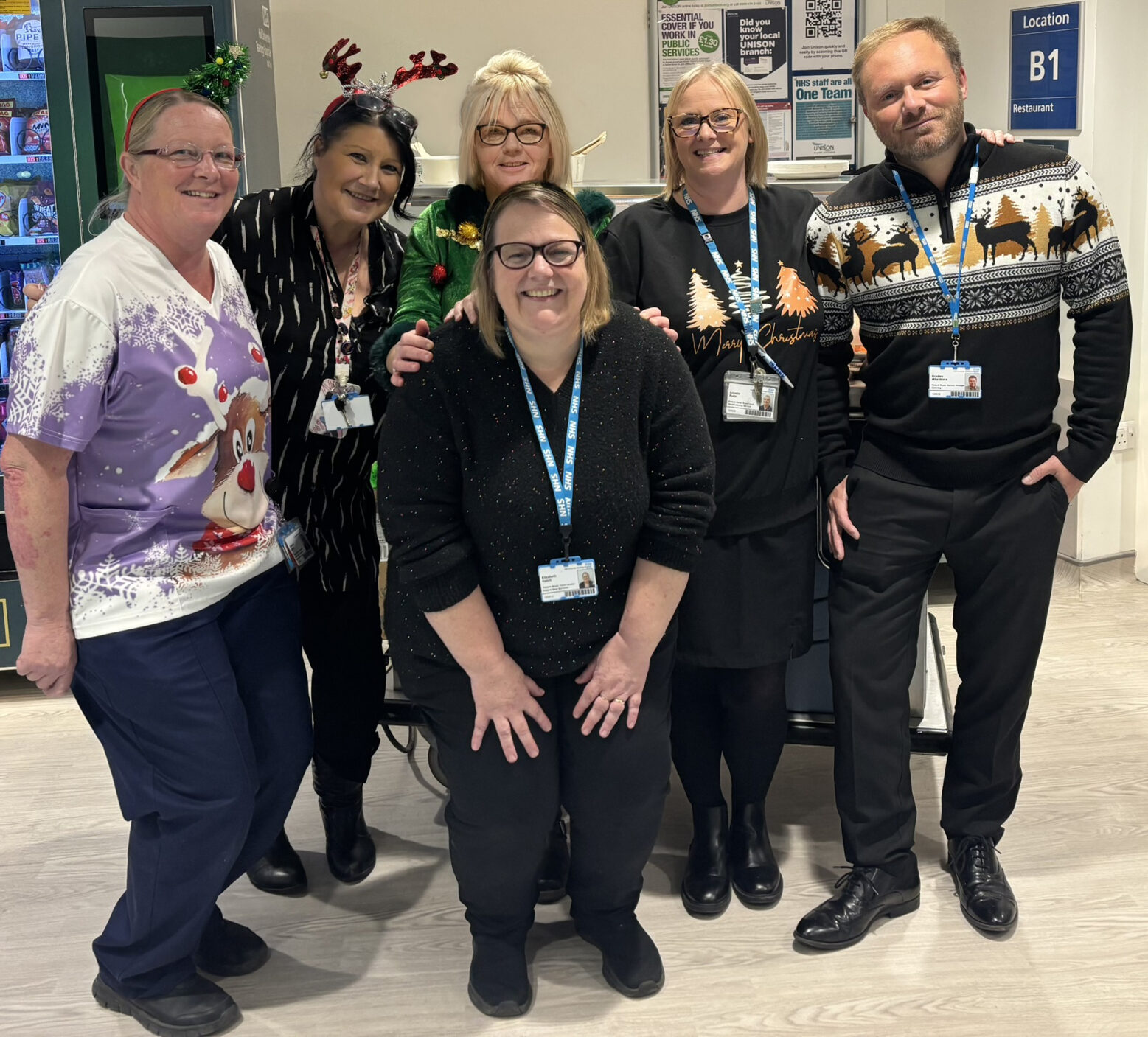
Members of the HUTH patient meals team

When it comes to reducing waste, improving our carbon footprint and cutting costs, our Patient Meals team at Hull University Teaching Hospitals NHS Trust has the recipe for success.

The new initiative was introduced in May and by the end of November we had seen 35,046 fewer meals being wasted – equating to cost savings of almost £15,000.

Patient Meals Assistant Manager, Jo Tock, said: “At our HRI and Castle Hill sites our patient meals are cooked on the wards and, historically, have always been packaged in portions of two or eight meals.

“This means that if five patients on a ward order one specific dish and seven order a different dish, we would have sent six of the first meal and eight of the second, due to the pack sizes – which often leads to waste.

“I have been looking to reduce this wastage and improve our sustainability and found that our suppliers were starting to offer some meals in single portion packs – and we’ve now using these as much as possible.”

And while this may sound a simple process, it’s taken a lot of work behind the scenes to adapt.

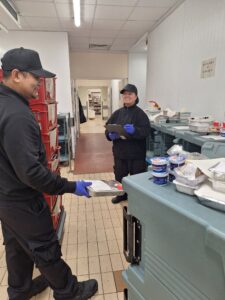
The patient meals team in action

Jo added: “I couldn’t have done this without the support of the staff, who have really got behind the changes. They have been amazing.

“There were lots of things we needed to consider. We had to look at our storage, because it was another product we had to store. The team in the Production Unit had to pick and pack things differently and we’re talking 2,000 meals for both hospitals, so it’s no small thing.

“There are also the Ward Caterers at Ward Level who are cooking the meals and looking at the way the teams were ordering meals.  We have been doing a lot of work to let them know that they don’t need to order extra meals ‘just in case’ of a patient being admitted later in the day.

“The way the system works is that additional meals can be ordered up to 90 minutes before they are delivered to the wards and there will always be at least one spare meal built into what each area receives. We can also provide sandwiches for patients who are admitted later.”

And this isn’t the only change that has been made.

We have also launched a new initiative that enables us to recycle the plastic trays that the meals come in.

Jo said: “Once the meals have been done, at ward level, the trays are collected up, washed and brought back to us, where they are bundled up and returned to the supplier to be melted down and reused.”

So far, we have washed and recycled almost 24,000 trays – generating a carbon saving that’s equivalent to powering 238 beverage rounds across Hull Royal and Castle Hill!

It’s also reducing the amount of waste our onsite Waste teams have to deal with, helping them to operate more efficiently too.

Jingle boobs to drive up breast screening rates

Communications TeamNews

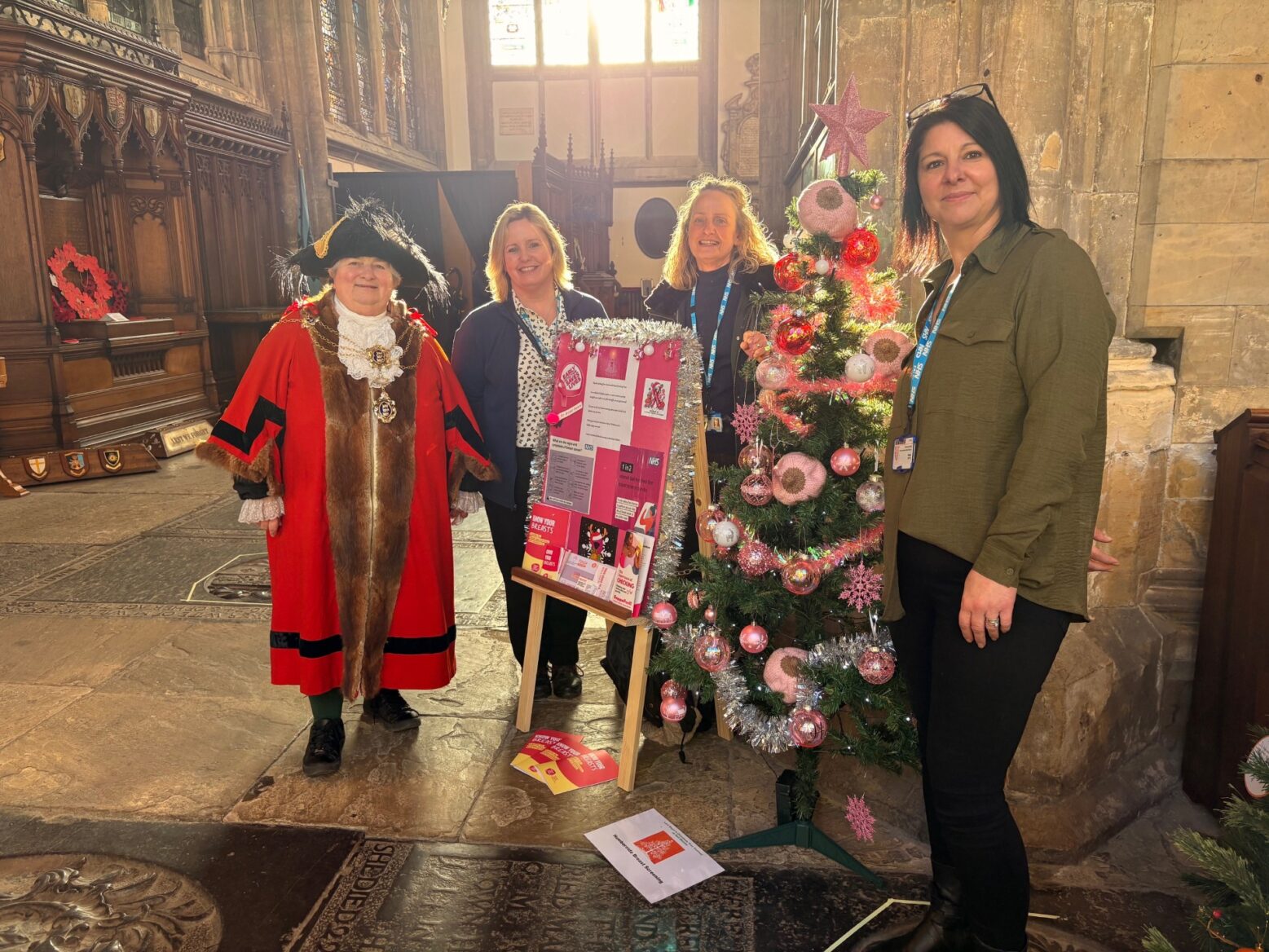
A Christmas tree at Hull Minster has been adorned with knitted breasts and pink decorations to promote the importance of attending breast screening appointments.

Humberside Breast Screening Team attended the Lord Mayor’s Christmas Tree Festival to create a National Breast Screening Christmas Tree, adorned with knitted breasts and bright pink decorations, the colour used for breast cancer awareness.

The Breast Screening Team’s Christmas Tree, complete with knitted breasts and pink ‘boob-les’

Sue Whittle, Health Promotion Officer, hopes the tree will become a focal point in the famous minster to help spread the word about keeping breast screening appointment.

Sue said: “Around 1,300 lives are saved every year by attending breast screening appointments. Picking up problems at an early stage can mean the difference between life and death.

“Those who don’t come along for their screening appointments have less chance of survival if they go on to develop breast cancer because we haven’t been able to catch it early enough.

“So, we’re hoping our Christmas tree is a fun way to help family and friends encourage anyone eligible for breast screening to attend their appointments.”

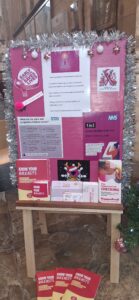
Information board next to the Christmas tree

Although breast cancer is the second highest cause of cancer deaths in women, screening reveals problems early, with 98pc diagnosed with breast cancer at this stage surviving five years and beyond.

Yet, uptake by women aged 50 to 53 is as low as six per cent at some GP practices in our area. Those from Black, South Asian and Eastern European communities are also less likely to attend their appointments so the team are sharing exactly what happens during screening to remove all uncertainty.

You’ll receive your letter to attend your first breast screening sometime around your 50th birthday. You’ll then be recalled every three years until your 71st birthday, when your risk of developing breast cancer drops significantly.

Screening takes place in mobile screening vans, similar in size to portable cabins. The mobile vans move from location to location across the East Riding, Hull and North and North East Lincolnshire bringing screening to community venues.

It’s currently at locations including Castle Hill Hospital, Morrison’s Car Park Holderness Road Hull, Freshney Green Primary Care Centre and St Hughs Hospital site in Grimsby and will be moving to The Roxton Practice Immingham and The Lakeside Shopping Centre Scunthorpe shortly.

Here’s what happens during your screening appointment

  1. Once inside, your details will be checked by the screening team and you’ll be shown to a cubicle to remove clothes from your top half, including your bra. A female mammographer will then take you to the x-ray room.
  2. The mammographer will then position you in the machine and ask you to hold still while the image is being taken
  3. Two pictures of each breast are taken. You may feel slight discomfort as the plate does hold the breast tight but this is to ensure a clear image is produced.
  4. This takes only a few minutes and then results are sent in the post within two weeks.


Patient’s “life-changing” operation at Castle Hill Hospital

Simon LeonardNews

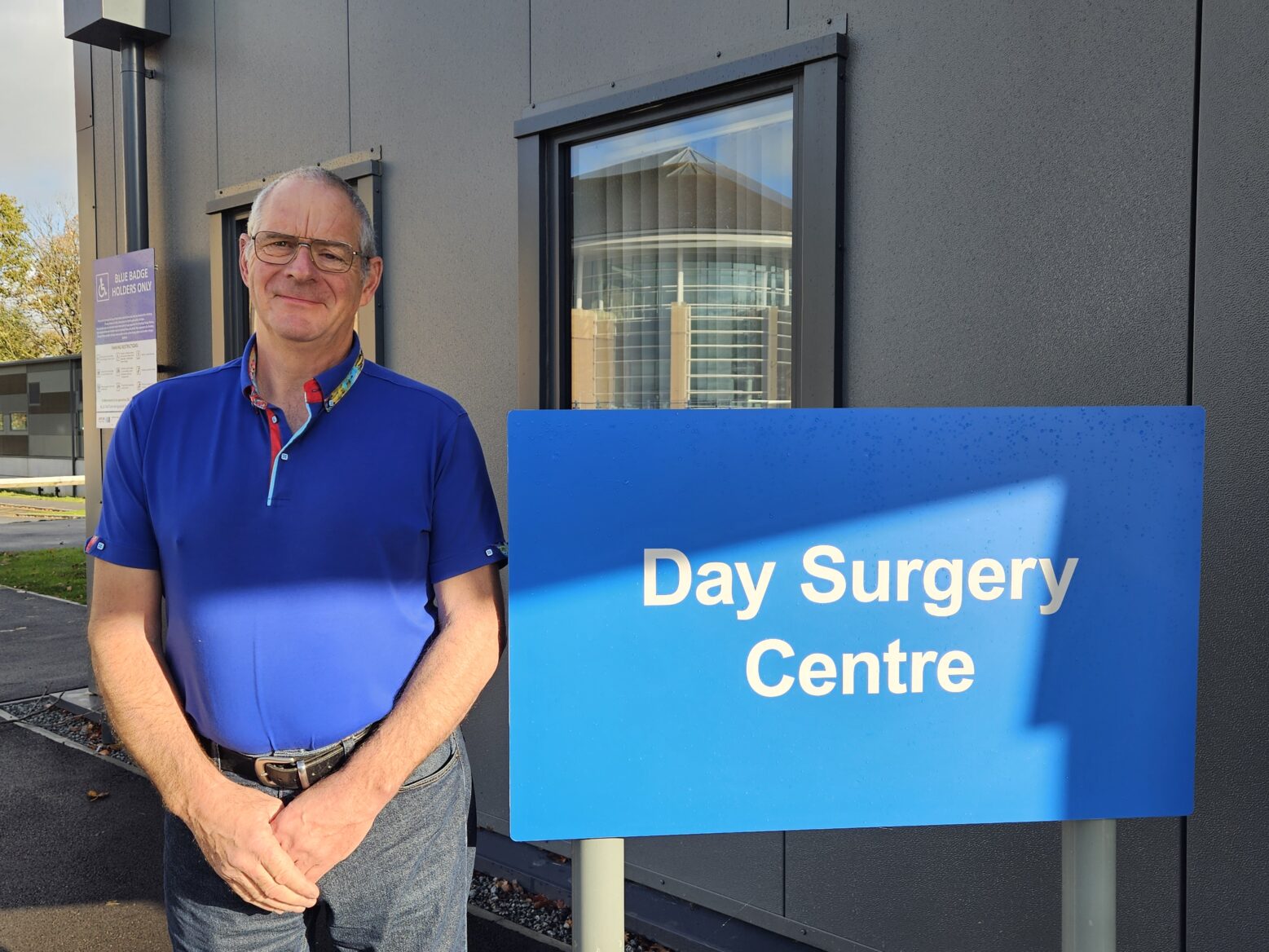
A man stood next to a sign saying "Day Surgery Centre"

Lyndon Land is making the most of life at the age of 63-years-old by cycling, walking and gardening – things he couldn’t do a few months ago.

Thanks to the incredible staff at the Day Surgery Centre (DSC) at Castle Hill Hospital, he was able to have a hip replacement, which has enabled him to do the physical activities he used to love doing. What’s even better is he was in and out of hospital in just nine hours!

Mr Land was chosen as the ideal candidate to have this particular surgery done as a day case, as part of a new way of treating patients in the DSC. We’ve started doing more of these types of operations and hope to eventually treat up to 10 patients a week via this method.

Mr Land, from Gilberdyke, said: “It’s been a life-changing operation for me. What’s really incredible is I had no pain at all following the operation. The staff were absolutely amazing.

“I came into hospital at 7am and was back at home by 4.30pm. Before the operation, I was on a waiting list and was experiencing a lot of pain, which I was managing with medication. I wasn’t able to do a lot of things I enjoy, as I had to walk around on crutches. I feel like this has given me my life back and I want to say a big thank you to everyone involved.”

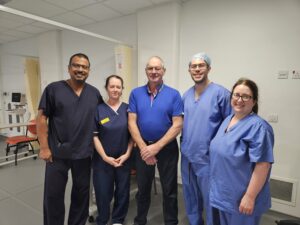
(Left to right): Stephen Kalladayil, Junior Charge Nurse, Luanda Branney, Charge ODP, Lyndon Land, Jack Stancer, Senior Perioperative Support Worker and Hannah Wright, Perioperative Practitioner.

His wife, Margaret said: “It’s amazing – the surgeon has done a fantastic job! It was awful seeing the pain Lyndon was in before the operation. He’s very strong-willed and I think that’s helped a lot with his recovery.”

The DSC operates like a mini hospital. Patients can have X-rays, surgery in theatres and be seen by physiotherapists and pharmacists – all in the same place. The service is also available at Goole hospital.

Tom Symes, Consultant Orthopaedic Surgeon, performed the operation on Mr Land.

He said: “Mr Land had a great experience and he had very little pain after his surgery. Hip and knee replacements can be safely performed as a day case, as long as the patient has no major medical problems. If the patient knows what to expect, then it gives them the confidence to go home on the same day. They need someone at home that first night but after that, they can cope at home alone with support if needed.”

Further strike dates announced

Charlie GrinhaffNews

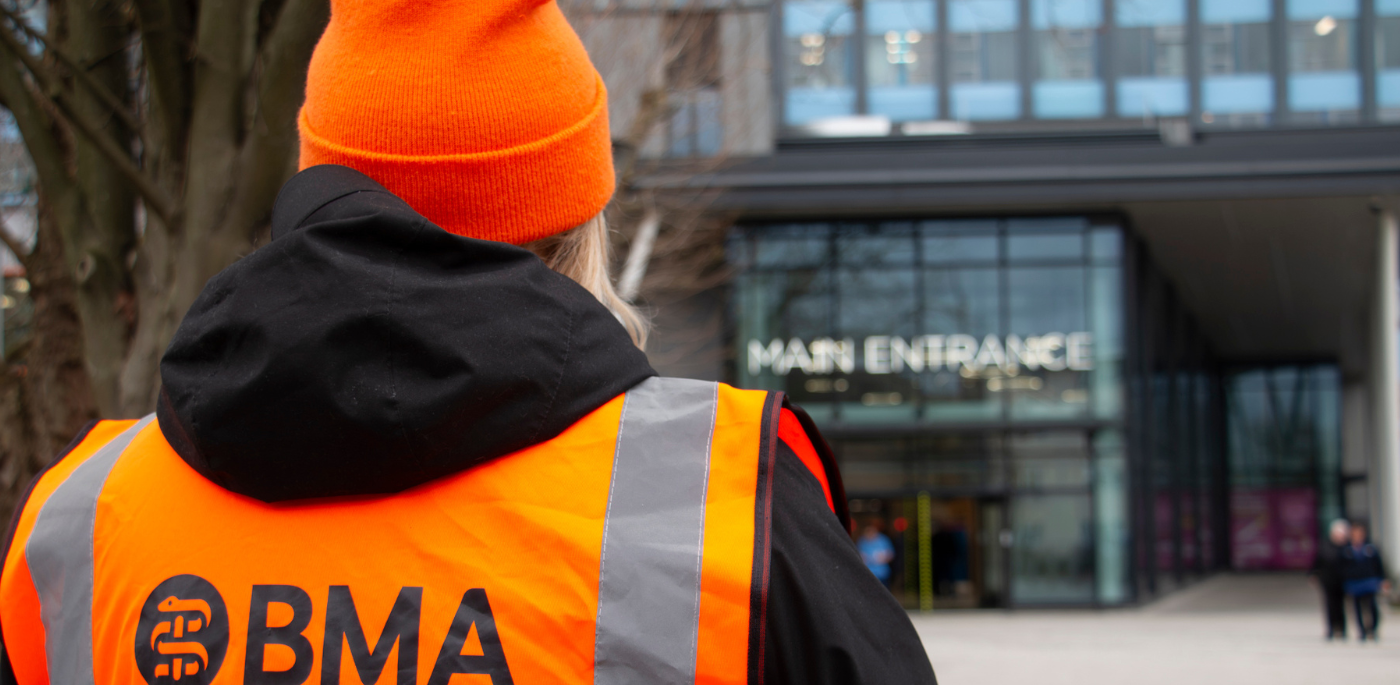
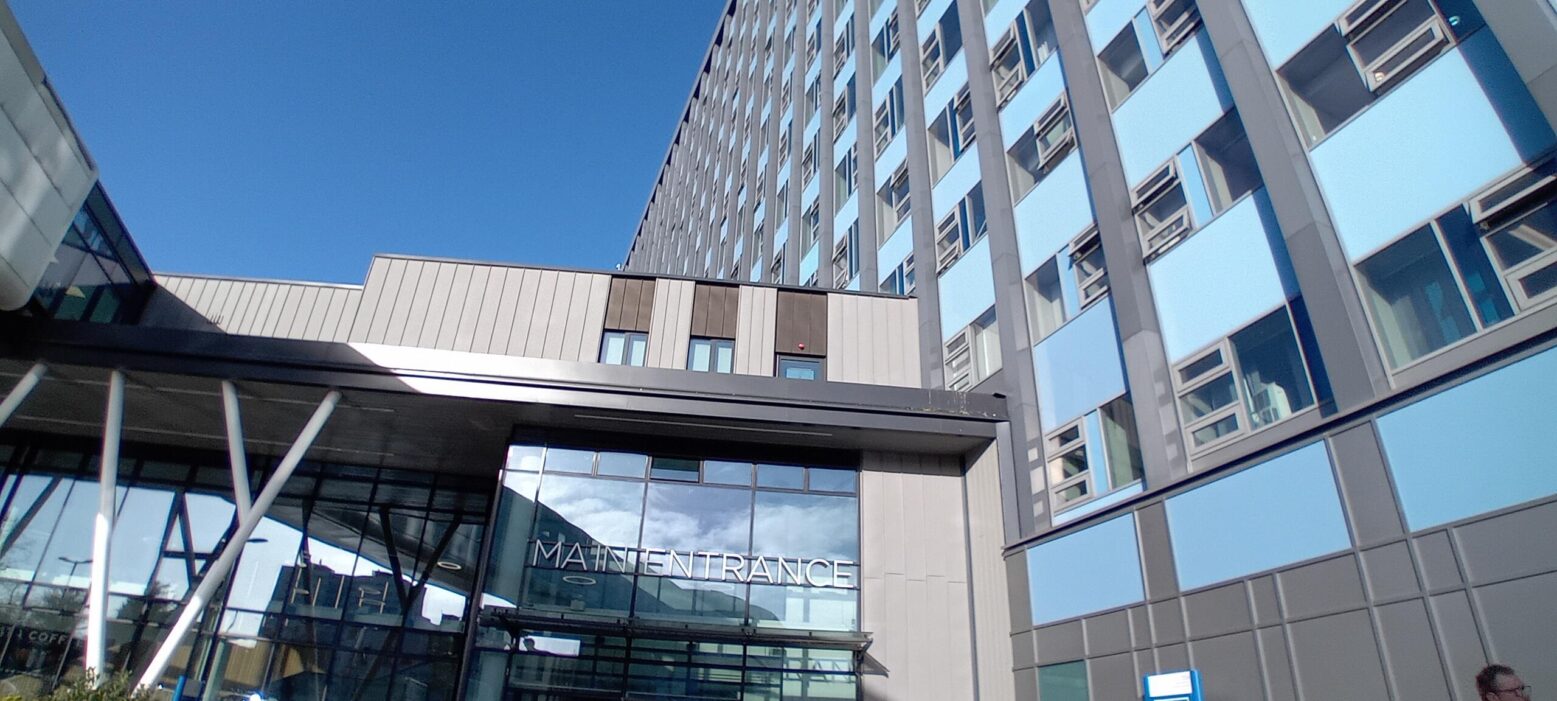
Back of junior doctor wearing hi viz vest and orange hat looking at Hull Royal Infirmary main entrance

Resident doctors across the Humber region will begin their latest round of industrial action in December as part of their long-running pay dispute with the Government.

Members of the BMA will take industrial action for the fourteenth time in the form of a full walkout for five days – from 7am on Wednesday 17 December until 7am on Monday 22 December.

Staff at Castle Hill, Hull, Grimsby, Goole and Scunthorpe hospitals have put plans in place to prepare for the strike, which does mean unfortunately some patients will have their appointments and procedures postponed. Affected patients will be contacted in advance. Anyone with an appointment or procedure scheduled to take place during the strike period should attend the hospital as planned if you don’t hear from our team.

Matt Powls, Interim Group Chief Delivery Officer for NHS Humber Health Partnership, said: “Patient safety is of course our top priority during this latest period of industrial action and we are putting contingency plans in place to ensure disruption to patients is as minimal as possible.

“We’ll be prioritising urgent and emergency care and cancer services, so those patients who need us the most, and patients staying with us as inpatients will continue to receive care. However, to be able to do all that with fewer doctors on shift, we do need to postpone some routine and planned care appointments. This is regrettable, but necessary to allow us to focus on the most seriously ill/injured of our patients.

“We fully appreciate that for some patients, they will be seeing their appointments with us postponed and not for the first time. We know just how frustrating this is and we’d like to extend our apologies to anyone affected, we’ll be working to get you rebooked as soon as possible.”

“Our staff are well rehearsed at putting plans in place to prepare for industrial action, however we know that five days of industrial action will place further pressure on our services which are already under considerable pressure.  As with previous strikes we’d really appreciate the support of our local communities.

“GP surgeries and pharmacies will remain open during the strike. NHS 111 staff are on hand to offer advice if you’re unwell and unsure where to turn. If you do need to come into one of our emergency departments please be mindful that we have fewer doctors on shift so be prepared to wait to be seen and please respect our staff who are in work who are doing their best to see and treat people as quickly as possible.”

Patients can also help themselves and others by:

  • Ordering repeat prescriptions in plenty of time so they don’t run out of medication or other essential items
  • Avoiding hospital if suffering Norovirus-type symptoms such as diarrhoea and vomiting, or with cold or flu-like symptoms
  • Keeping a well-stocked medicine cabinet at home including painkillers, indigestion remedies and diarrhoea tablets
  • Using the NHS Emergency Prescription Service if a regular medication runs out completely; and
  • Familiarising themselves with nearby NHS services which can offer help both in and out-of-hours; these include all Walk-In and Urgent Treatment Centres and a number of local pharmacies. NHS111 remains available 24hrs/day, 365 day a year for medical advice and signposting, online or over the phone.

Full details of alternative local healthcare services can be found at www.letsgetbetter.co.uk


Fit4Life comes to Castle Hill hospital

Charlie GrinhaffNews

On the spot mammograms and health advice will be on offer when Fit4Life comes to Castle Hill Hospital.

If you’re ready to take charge of your health and wellbeing join us at Castle Hill Hospital on Thursday 11 December, for Fit4Life!

The latest in our series of special health events is taking place at the Cottingham site this month after successful events took place in Hull, Scunthorpe and Goole earlier this year. An event at Grimsby hospital will be arranged in the new year.

This is your chance to speak to hospital-based experts about improving your wellbeing through smoking cessation, lifestyle choices, alcohol moderation, cancer screening and vaccination.

Chat to our doctors, nurses, therapists and health teams about steps you can take right now to improve your lifestyle, promote better health and prevent serious illness such as strokes, cancer and heart problems.

Join us in the Health and Wellbeing suite at Castle Hill Hospital, from 11am- 2pm for:

  • Workshops and presentations by NHS experts
  • Q&A sessions on healthier lifestyles which reduce your risk of disease
  • Information on cancer screening programmes including on the spot mammograms
  • Opportunities to chat to experienced health professionals.

Lyn Simpson, Interim Group Chief Executive of NHS Humber Health Partnership, explains Fit4Life is a series of health promotion events, tailored to address common health problems experienced by residents in East Yorkshire and Northern Lincolnshire. She said: “Our hospitals are always here when you need us, but Fit4Life offers a fun and interactive way to help you make healthier choices that could reduce the need for medical care in the future.

“You’ll discover practical steps you can take today to improve your wellbeing, access useful resources, and speak directly with our health professionals.

“Don’t miss this great chance to take control of your health. Come along, invite your friends and family, and let’s work together to make Cottingham a healthier community.”

Our first Fit4Life! event was held at Hull Royal Infirmary in July, followed by Scunthorpe in August and Goole in November. An event is also planned for Diana, Princess of Wales Hospital in Grimsby in the new year.

Patients to be offered revolutionary spinal surgery at Hull Royal Infirmary

Communications TeamNews

Patients with spinal conditions including herniated discs, spinal stenosis and spinal infections are to benefit from a revolutionary form of keyhole surgery.

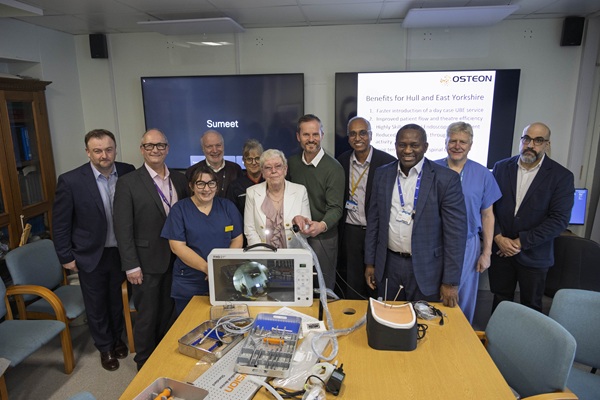
Hull Royal Infirmary is to offer patients with spinal disorders and degenerative spine conditions the state-of-the-art spinal surgery after a major investment in a Mobile Imaging System (MIS).

The hospital’s highly skilled team of neurosurgeons can now perform Endoscopic Spine Surgery (ESS), a minimally invasive surgical technique where a small probe and camera is used through a keyhole incision to perform surgery as a day case procedure.

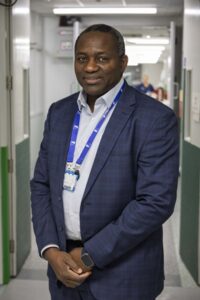
Mr Shuaibu Dambatta

Mr Shuaibu Dambatta, Consultant in Neurosurgery at Hull Royal Infirmary who performs complex spinal surgeries, said: “Our patients should feel confident that they will benefit from latest surgical advances when they come to our hospitals.

“Instead of making large incisions, we can make much smaller cuts, less than the size of a finger, to operate on the spine so it’s a much better, safer and less traumatic experience for patients.

“As the cuts are so small, the surgery is far less invasive and safer for patients, who can have the surgery as a day case, with most able to go home that same day to begin their recovery.”

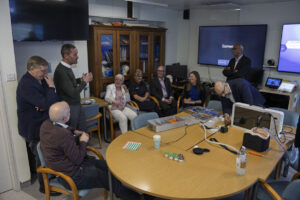
NHS Humber Health Partnership purchased the equipment, complete with a special set and scope, thanks to the generosity of independent hospital charity WISHH and Ruth and Tony Knowles, who have raised more than £176,000 for the team in memory of her daughter Emma-Jayne, who died of a brain tumour two weeks before her 23rd birthday in 1998. The couple, of Sutton on Sea in Lincolnshire, were awarded the British Empire Medal in the New Year’s Honours List in 2014 and although Mr Knowles died last year, Mrs Knowles has continued to fundraise and was at the hospital on Friday to learn about the new equipment.

Ruth Knowles said: “Every year, I speak to the neurosurgical team and I ask them what equipment they might be looking to purchase that year, and what would benefit patients most. They come back with a list of equipment, we have a chat and then we look to make that happen.

“It’s always nice to be invited back to Hull Royal; it’s fantastic to see the equipment that’s been purchased and hear about what it can do, but it’s great just to see all the neurosurgical team too, they’re such a fantastic, dedicated group of people.

“We’ve been fundraising now for 27 years and in that time, we’ve raised a total of £176,081.50. Tony and I always said that fundraising won’t bring Emma-Jayne back, but what we can do is help the neurosurgical team to help other people.”

Sue Lockwood, WISHH Charity Chairperson, said: “The WISHH Charity welcomed the opportunity to support the Knowles family and the Neurosurgical Department to make this new minimally invasive procedure a reality in Hull. This is a procedure which will benefit many patients in the coming years, and it is only thanks to the support and generosity of local people that the WISHH Charity has the funds to support such initiatives.”

As well as the new equipment,  the organisation, which runs Hull Royal, Castle Hill Hospital, Goole and District Hospital, Diana, Princess of Wales Hospital in Grimsby and Scunthorpe General Hospital, has also been able to purchase a computer model of the spine called an UpSurgeon Trainer, which will be used to train doctors in the new form of the surgery.

Consultant Neurosurgeon Mr Chittoor Rajaraman said: “At a time when the NHS continues to face significant challenges — particularly from a financial perspective — WISHH and the Knowles family have gone above and beyond to help us secure this vital equipment.

“We are extremely grateful for their contribution.”

Hull to host Vascular Society of Great Britain and Ireland’s Annual Scientific Meeting (ASM)

Communications TeamNews

Hull will welcome some of the country’s top vascular surgery teams this week as it hosts the Vascular Society of Great Britain and Ireland’s Annual Scientific Meeting (ASM).

The prestigious three-day event, taking place at Connexin Live from 26 to 28 November, is returning to the city after more than three decades and will attract hundreds of surgeons, specialist nurses, physiotherapists and scientists from hospitals across the UK and Ireland.

Hull’s vascular consultants – Professor Ian Chetter, Chair of Surgery and current President of the Vascular Society; Professor Daniel Carradice, Chair of Vascular Surgery; and Mr George Smith, Senior Lecturer and Clinical Lead – will address the meeting, reflecting Hull’s growing reputation as a centre of excellence in both patient care and research.

Mr Smith said: “This is a massive honour for Hull and our department. We’ll be welcoming the best health professionals in vascular surgery to share learning and new approaches that will directly benefit patients.”

Professor Chetter, who will conclude his presidential term at the event, said: “The Annual Scientific Meeting is a vital opportunity for surgeons to exchange ideas and push the boundaries of vascular care.

“Hosting it here underlines Hull’s role in driving forward research, education and patient outcomes nationally.”

The Department of Vascular Surgery, based at Hull Royal Infirmary, is a regional service for patients from Hull and East Yorkshire, North and North-East Lincolnshire and North Yorkshire and offers a 30-bed inpatient ward, a four-bed high-observation bay, an emergency theatre, specialist outpatient clinics and rehabilitation therapy.

Its team of 11 Vascular Consultants and multi-disciplinary team including Interventional Radiologists, Nurse Specialists and Advanced Clinical Practitioners see around 5,500 new patients a year.

Patients are referred to the service with life-threatening conditions including aneurysms, blockages in the arteries, foot complications linked to diabetes, deep vein thrombosis, varicose veins and carotid disease following strokes. The vascular team also works closely with the other surgical teams at NHS Humber Health Partnership (HHP) to help patients with complex cancerous tumours.

Hull’s Academic Vascular Surgery Unit is a collaboration between HHP and Hull York Medical School (HYMS), ranked in the top three UK medical schools for medicine in the 2026 Guardian University Guide.  Its research was rated as world-leading, influencing national guidelines and shaping NHS policy on conditions including varicose veins, diabetic foot disease and leg ulcers. This contribution to advancing patient care has also been recognised more widely, with the Academic Vascular Surgical Unit shortlisted for the HSJ Awards 2025 for innovation in sustainable healthcare.

As well as placing Hull firmly on the national stage, the meeting will help set the agenda for vascular services across the NHS — sharing innovations that aim to improve patient outcomes, reduce inequalities and ensure the best possible use of healthcare resources.

Health Care Assistant Harry Ross receives award from England’s Chief Nurse for his care of patients at Hull Royal Infirmary

Communications TeamNews

A Health Care Assistant at Hull Royal Infirmary has received a national award from England’s top nurse for his compassion towards patients.

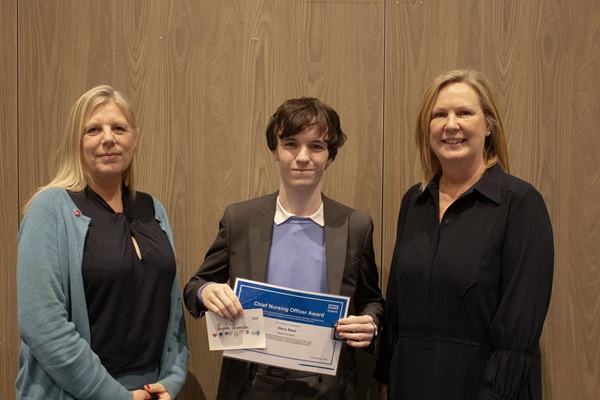
Harry Ross, who works on Ward 500 in the tower block, received the Chief Nursing Officer Support Worker Excellence Award after Nursing Associate Educator Annemarie Flood nominated Harry for his “compassion, initiative and unwavering commitment to person-centred care”.

Harry, 19, was presented with the award by Victoria Bagshaw, Deputy Director of Workforce and Education at NHS England, during the annual Nursing, Midwifery and Health Care Professionals Conference in Hull on Wednesday, November 19.

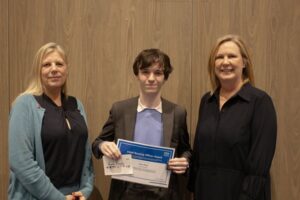
Harry holding his award with Victoria Bagshaw, left. and Site Nurse Director Jenny Hinchliffe, right

Victoria said Harry was one of fewer than 100 health care support workers to receive an award from a workforce of around 27,500 staff in the North-East, Yorkshire and Cumbria, underlining his exceptional achievement.

She said: “This isn’t about just doing your job well – this is about people who make a significant difference because of the way they act and the compassion through which they deliver care.”

After receiving his award, Harry said: “The award makes me feel really proud of myself that I can achieve something so big at such a young age, so early into my career, but it also makes me feel overjoyed that I have accomplished something like this.”

Kate Collins, Sister on Ward 500, said Harry started working on the respiratory ward as an Apprentice Health Care Support Worker last year and made an instant impact with the rest of his team.

She said: “He came to us knowing nothing about hospitals or health care or anything about looking after patients yet, from Day One, he’s been absolutely fantastic.

“He has listened, practised everything he’s been shown, taken advice and asked questions from everyone in the team.

“We get amazing feedback from patients and their families when he’s been on shift. They’ll always ask where he is if he’s not on the ward or ask us to pass on their thanks for how he’s helped their loved one.

“He’s always jolly but he knows when it’s time to joke and when to be serious. Even though he’s still so young, he shows incredible compassion towards patients and we’re all so sure that he’s going to go really far in the NHS.”

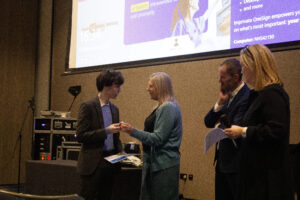
Harry receives his award from Victoria Bagshaw

In her nomination, Annemarie Flood gave a recent example, when Harry helped a patient with dementia, as how his care has a profound impact, not just on patients, but on their families and people he works with.

The patient has been distressed, agitated, upset and struggling with the absence of his family. Annemarie said: “Harry went far beyond the basic duties of observation. He took the time to understand the patient as a person, not just a diagnosis.

“Through gentle conversation and genuine curiosity, he discovered that the patient enjoyed playing cards—a pastime that had once brought him joy and connection.

“Rather than simply noting this, Harry acted on it. He sat with the patient, spoke to him with warmth and dignity and played cards together. This simple yet powerful gesture transformed the atmosphere. The patient, who had previously been shouting and showing signs of distress, became calm and engaged.

“When the patient’s family arrived and saw him playing cards—smiling, relaxed, and interacting—they were visibly moved. They shared that seeing him in that moment reminded them of who he truly was before his illness progressed. It felt, in their words, “like we had our dad back.” They had been carrying the guilt of not being able to stay with him, and witnessing this act of kindness brought them comfort and relief.”

As well as the difference he is making on his ward, Harry is also studying hard, recently enrolling in the Access to Nursing course at college to achieve his ambition of becoming a nurse.

Annemarie said: “His commitment to learning, growth, and compassionate care marks him out as a future leader in health care.

“Harry Ross is an outstanding apprentice, and we wholeheartedly believe he deserves recognition for the difference he is already making.”

Harry said: “There are no words to explain how happy it’s made me and I thank my ward sister Kate Collins for all the support and motivation she’s given me throughout my career so far.

“I also want to thank the apprenticeship team and the college I was with that helped and supported me through the whole course.”

National recognition for Immunology and Allergy Unit

Simon LeonardNews

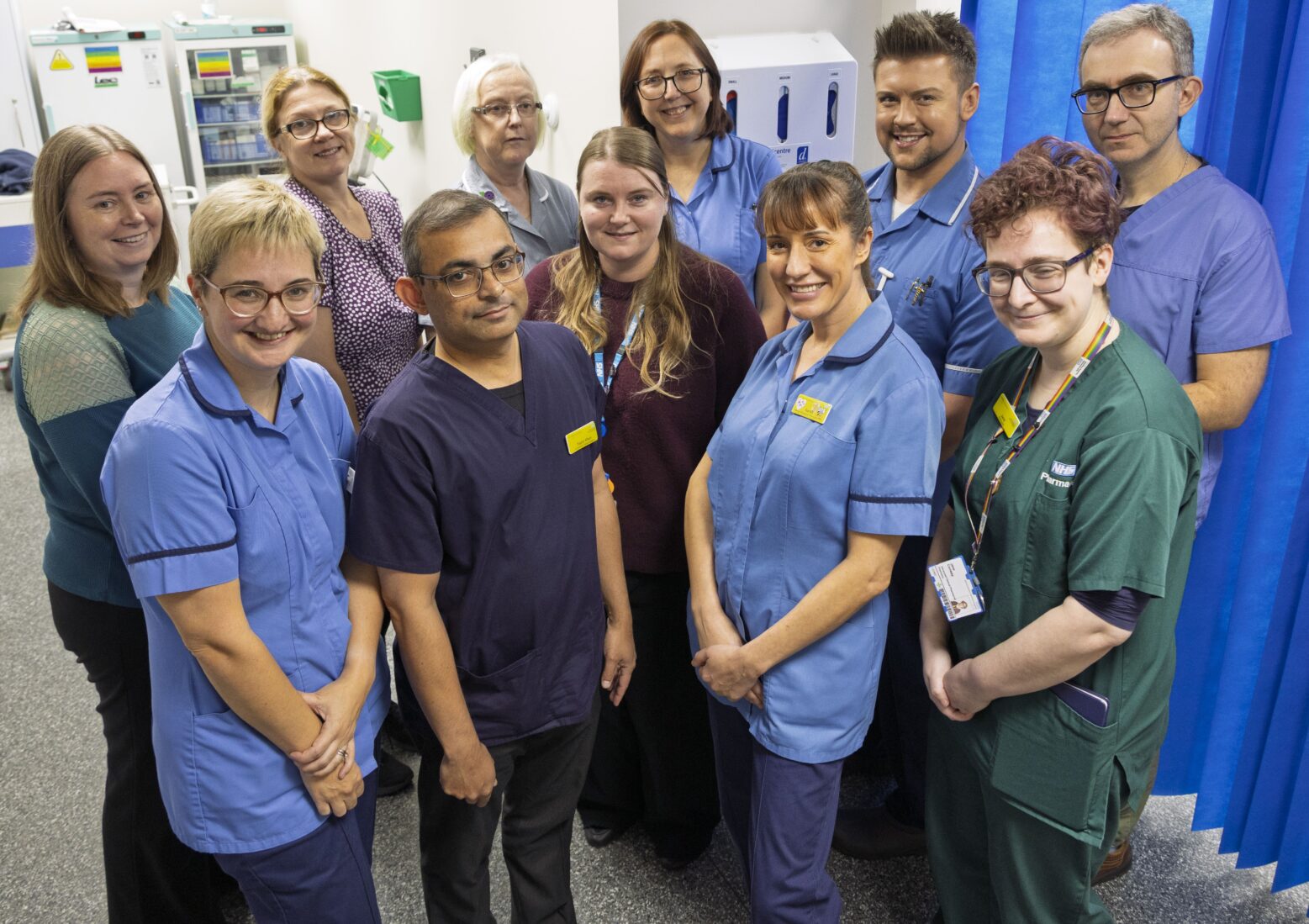
Clinical staff in a hospital

Our Immunology and Allergy Unit has been recognised for providing high quality care by a national programme.

The East Yorkshire Regional Adult Immunology and Allergy Unit at Castle Hill Hospital recently received the results of an assessment by QPIDS, which is the accreditation programme for primary immunodeficiency services in the UK.

The inspection took place in June. Assessors listened to a presentation delivered by Dr Sujoy Khan, who’s the Clinical Lead for the service. They conducted a walk round of the area, spoke to patients attending clinic and interviewed the team.

Some of the findings from the report showed:

  • A well-written, concise operational plan
  • A cohesive team
  • Patients were very complimentary about the service
  • A bright and clean hospital environment.

Dr Khan, Consultant Immunologist and Allergist, said: “This is the first time we’ve received this accreditation. We’ve been trying to get it for a while now but COVID hit, and we had to put it on the backburner. We want to use the most advanced treatments available, and having this accreditation helps us pitch for these specialist options.”

Accreditation is a supportive process of evaluating the quality of clinical services against established standards. It promotes quality improvement through highlighting areas of best practice and areas for change, encouraging the continued development of the clinical service.

Beccy Avison, Immunology Clinical Nurse Specialist: “It gives our patients more confidence they’re getting a better service. We feel very proud to be given this recognition.”

Services participating in primary immunodeficiency accreditation work to a pathway, which involves self-assessment and improvement against the standards. These have been developed with a multi-professional group of clinicians, managers, and patient representatives. Services can take anywhere between 12 to 24 months to be ready for an assessment, though this timeframe does vary depending on the support and time available. There’s no set deadline to have an assessment and the QPIDS team understand there are many factors influencing how services progress.

Victoria Armstrong, General Manager for Infection and Immunity, said: “The assessors fed back how impressed they had been with the Immunology team and the great work they’re doing on a daily basis, which had been mentioned by the patients. The team pulled together to ensure evidence was provided for all the amazing work done by the specialty. They really do deserve this.”

Services awarded accreditation submit evidence annually to demonstrate they’re continuing to meet the standards, and have a five-yearly on-site assessment carried out by an experienced assessment team.

By participating in accreditation, services are enrolled on an ongoing programme of improvement. Between the site assessments, there’s an annual remote review of key pieces of evidence to show the service is maintaining the QPIDS standards.

The team are not letting it stop there, as they’re currently preparing for their next challenge which is to gain accreditation for the Allergy specialty.