‘On the day’ breast screening appointments at Fit4Life

Communications TeamNews

Missed your appointment for breast screening or concerned that you haven’t received an appointment yet, despite being over 50?

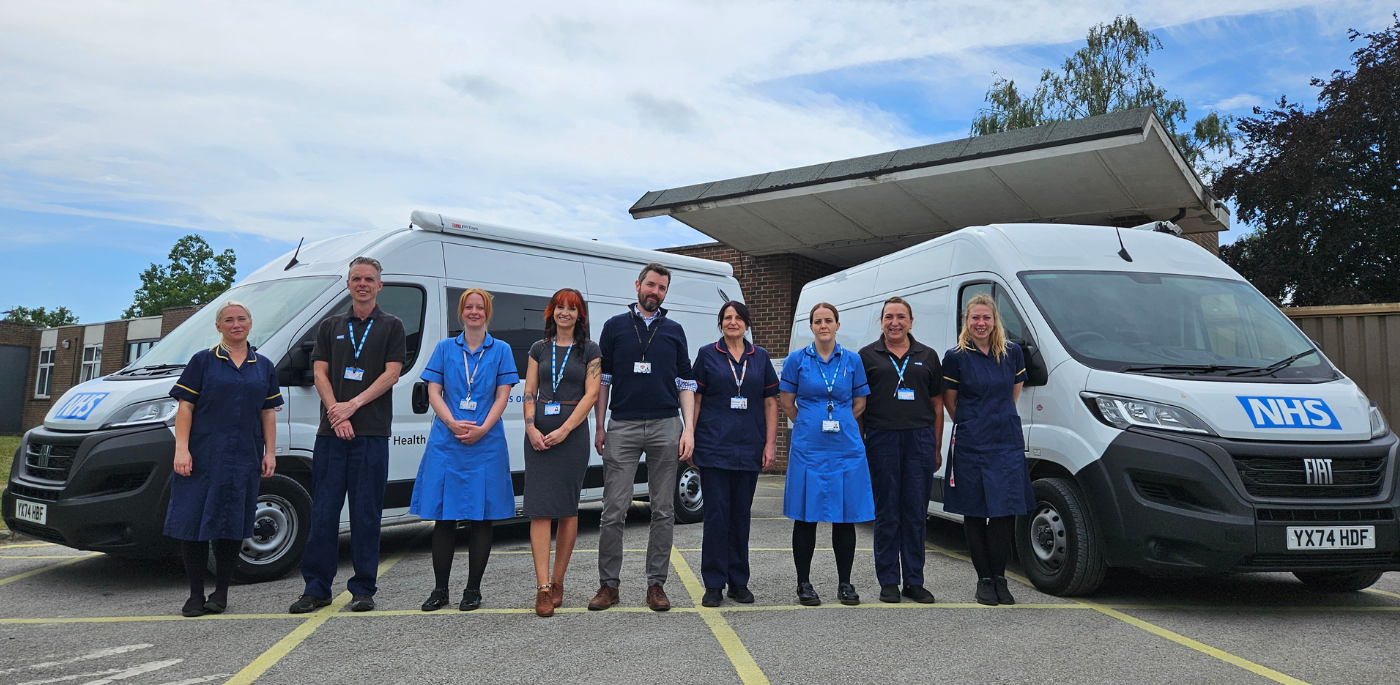
Come along to our Fit4Life event at Hull Royal Infirmary on Friday, July 11, and chat to the Humberside Breast Screening team.

Members of the team will outline the three-year rolling appointment process, advising when you should expect to be called for screening. And, if you’ve already missed your appointment, they’ll be able to screen you on the day, providing you meet the right criteria.

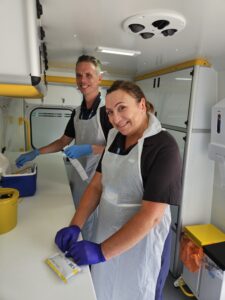
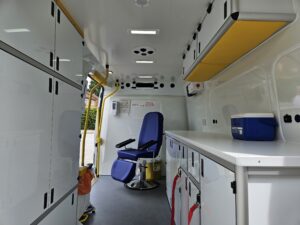
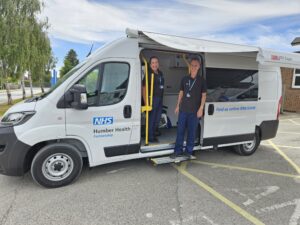
Lesley Peacock, Programme Manager for Humberside Breast Screening, said: “We’ll be able to screen you on the day if you meet the right criteria and give you advice and information about the breast screening programme and how it works.

“We can tell you what to expect when you come for your appointment and help address any fears or concerns you may have about the actual screening process.

“We’ll be here to help you on the day, no matter what you’d like to ask.”

Fit4Life is the first in a series of events offering the public the chance to speak to hospital-based experts about improving your wellbeing through smoking cessation, lifestyle choices, alcohol moderation, cancer screening and vaccination.

Chat to our doctors, nurses, therapists and health teams about steps you can take right now to improve your lifestyle, promote better health and prevent serious illness such as strokes, cancer and heart problems.

Join us in the atrium of HRI’s new main entrance and in Nourish, our first floor restaurant, from 10am to 4pm for:

  • Workshops and presentations by NHS experts
  • Q&A sessions on healthier lifestyles which reduce your risk of disease
  • Information on cancer screening programmes
  • Interactive sessions showing how AI is benefiting modern healthcare
  • Opportunities to chat to experienced health professionals

Other Fit4Life events are planned for Castle Hill Hospital, Goole Hospital, Diana, Princess of Wales Hospital in Grimsby and Scunthorpe General Hospital over the coming months.

Flying the flag for organ donation in Hull

Communications TeamNews

Hull Royal Infirmary is to fly its organ donation flag to mark when a life-saving donation has been made.

Helen Russell, Joanna Pancarowicz, Janine Tate and Jane Langley, all Specialist Nurses in Organ Donation, have arranged for the flag to be flown outside the main entrance to the hospital when a family agrees to organ donation on behalf of their loved one.

Seventeen families have consented to organ donation since April last year after their relatives were declared brain dead or following their death from cardiac arrest, known as a non-heartbeating donation, at Hull Royal Infirmary.

Helen said: “Flying the flag is a sign to the public that something very special is happening inside our hospital, that some family is giving another person the gift of life.

“It’s our way of honouring the patient who has made their wishes known to their relatives that they wish to donate their organs in the event of their death and it’s a way of saying thank you to their family.”

One family has already seen the flag flying over the hospital following their agreement to organ donation following the death of their loved one in the past few weeks.

Helen said: “They told us it brought them comfort and they were able to share photographs of the flag with other members of their family who could not be at hospital.”

Joanna said the team hoped flying the flag would encourage members of the public to sign the Organ Donor register and share their wishes with their families, should their life be cut short.

She said: “It can be difficult to raise the subject but having that conversation now means you’ll save your family to ordeal of having to make that decision when they’re coping with the trauma of your death.”

Across Yorkshire, 373 patients received a life-saving or life-changing transplant in 2023/4.

More than 100,000 transplants have been carried out since the creation of the Organ Donor Register in 1994. However, the waiting list for a transplant is currently the highest it’s been in an decade, with more than 7,900 people in the UK waiting for the call.

If you’d like to help, join the register and tell your family of your wishes so it’s easier for them in the event of your death. 

Join us for Fit4Life!

Communications TeamNews

Ready to take charge of your health and wellbeing?  Join us at Hull Royal Infirmary on Friday, July 11, for Fit4Life!

This special event is your chance to speak to hospital-based experts about improving your wellbeing through smoking cessation, lifestyle choices, alcohol moderation, cancer screening and vaccination.

Chat to our doctors, nurses, therapists and health teams about steps you can take right now to improve your lifestyle, promote better health and prevent serious illness such as strokes, cancer and heart problems.

Join us in the atrium of HRI’s new main entrance and in Nourish, our first floor restaurant, from 10am to 4pm for:

  • Workshops and presentations by NHS experts
  • Q&A sessions on healthier lifestyles which reduce your risk of disease
  • Information on cancer screening programmes
  • Interactive sessions showing how AI is benefiting modern healthcare
  • Opportunities to chat to experienced health professionals

Amanda Stanford, Acting Group Chief Executive of NHS Humber Health Partnership, said Fit4Life is the first in a series of health promotion events, tailored to address common health problems experienced by residents in East Yorkshire and Northern Lincolnshire.

She said: “Our hospitals are always here to help you but Fit4Life is a fun and engaging way to empower you to make healthier choices that might stop you needing us in the future.

“You’ll learn about measures you can take right now that will make a big difference while accessing valuable resources and chatting to our health experts.

“Don’t miss out on this fantastic opportunity to take charge of your own wellbeing. Come along, bring your friends and family, and let’s make Hull a healthier place together.”

Fit4Life is the first in a series of public health events, with others planned for Castle Hill Hospital, Goole Hospital, Diana, Princess of Wales Hospital in Grimsby and Scunthorpe General Hospital over the coming months.

App helps women in Hull, Grimsby, Goole and Scunthorpe

Communications TeamNews

Women experiencing pelvic health problems during and after pregnancy are being invited to register for a free app to help improve their symptoms.

One in three women experience urinary incontinence three months after pregnancy and one in 12 report symptoms of pelvic prolapse after giving birth.

Now, Laura Caldicott, the first Pelvic Health Midwife to be appointed by NHS Humber Health Partnership to help many of the 8,700 women who give birth every year in East Yorkshire and Northern Lincolnshire, is encouraging women to register for the NHS England “Squeezy” app

Laura said: “The app’s available for all women across the region up to 12 months after they give birth.

“It explains pelvic floor health and issues, gives you exercises to do to strengthen your pelvic floor, guidance on how to do them and sets reminders to carry them out.

“It also provides a diary where you can log symptoms.”

Anyone who is interested in the app can register through the Local Maternity and Neonatal System (LMNS) for Humer and North Yorkshire website.

Team of nurses’ key to helping vulnerable people access vital healthcare

Simon LeonardNews

Louise French, Learning Disability Liaison Nurse, and Charlie Tindall, Dementia Clinical Nurse Specialist, who both work at Grimsby hospital, and Jackie Fenwick, Lead Nurse for Vulnerabilities across the NHS Humber Health Partnership

A drive round a hospital car park, a sing song, or even decorating a treatment room as a theme from a film is all in a day’s work for a small team of nurses.

As part of this year’s Learning Disability Week, which starts today (Monday 16 June), we are shining the spotlight on our Vulnerabilities Team which works across our hospitals in Scunthorpe, Grimsby and Goole, and our Enhanced Care Team at Hull Royal Infirmary and Castle Hill Hospital.

The theme for this year’s week, which is organised by the charity Mencap, is ‘Do you see me?’ It is all about challenging some of the barriers people who have learning disabilities face.

Jackie Fenwick, Lead Nurse for Vulnerabilities across the NHS Humber Health Partnership, said: “Our role is to make sure patients with a learning disability have equitable access to healthcare, as well as timely treatment. It is about making sure everyone is seen, heard and valued when they need help.”

There are different types of learning disability, which can be mild, moderate, severe or profound. In all cases a learning disability is lifelong. Someone with a mild learning disability may only need support with things like getting a job. However, someone with a severe or profound learning disability may need full­time care and support with every aspect of their life – they may also have physical disabilities.

Jackie said: “Hospital environments can be overwhelming and frightening for everyone, and this is especially true for individuals with a learning disability. Suddenly they are out of their routine. There are loud noises, unfamiliar smells, lots of people, medical jargon, medical equipment, tests and procedures that they don’t understand. They don’t feel safe or secure and they can get very scared and distressed. It is our role to plan ahead for their visit, if we can, to help ease their anxieties by working with them and their carers to make any necessary reasonable adjustments.”

It could be something as simple as:

  • Their appointment being made for the start or end of an outpatient clinic
  • A double appointment so they have more time
  • Having access to a quiet side room while they wait to be seen
  • Having access to sensory equipment and support
  • Several visits to the hospital beforehand to help with familiarisation and desensitisation
  • Distraction techniques, such as singing, toys, or decorating the treatment area in a theme they love.

Jackie said also, where possible they offer a one stop service, where the patient may come in for a procedure in which they need sedation or a general anaesthetic. “Staff will carry out the procedure, such as gallbladder removal, and while they are asleep, we may cut their nails, check their teeth, take blood and any other tests which may be stressful if they were awake. It is all about reducing their anxiety and stress levels.”

Jackie said the teams work closely with families and carers, as well as other agencies, to ensure a person’s care is tailored to their requirements before their appointment, during their visit and after their discharge. “Our work does not stop once they leave us, as we work hard to ensure people have the follow up care they require,” said Jackie.

The team in Hull recently had two people who required x-rays but were reluctant to go to the department, let alone have the tests. Jackie said: “Both people loved music, so our nurse staged an impromptu singalong which put them at enough ease, for them to have the required x-rays.”

One patient who the Vulnerabilities Team cares for is Tracy. She said: “I am articulate and intelligent but because of my disability I find accessing healthcare difficult. I used to get anxious in my outpatient hospital appointments as I knew the time is limited and precious, and I was scared I wouldn’t be able to communicate what I needed to.”

Noisy waiting areas with lots of people, radios playing in the background, hot and stuffy rooms, as well as people using computers when she is talking to them all overstimulate Tracy and make her feel anxious.

Tracy said: “I am overwhelmed by all of the environmental stimuli and I have an appalling memory and forget everything the minute I leave the consulting room. Having someone with me who understands my triggers and can advocate for me helps to make it better.

“I particularly want to thank the Vulnerabilities Team who now support my outpatient hospital care. I would not be able to access the care I need without them.”

One thing carers can help with is ensuring people have Hospital Passports with them. It is a simple booklet which includes the person’s name, and what they like to be known as, as well as things health care workers must know about them such as the language they speak and how they communicate, things that are important to them such as how they take their medication, how to recognise they are in pain, and their likes and dislikes.

Jackie added: “A learning disability doesn’t mean people can’t live happy, fulfilling or successful lives. What it does mean is at times we need to work with them in a different way to other patients to ensure we can give them the care they need. I feel privileged to play a part in such rewarding work.”

#smearnotfear team urges ‘Please attend your appointment’

Communications TeamNews

Put your health before embarrassment or fear and attend your smear test appointment, a hospital team says.

Cervical cancer screening rates in our area are higher than the national average, thanks to Hull’s #smearnotfear team from Hull Women and Children’s Hospital.

Around 72pc of women, trans men and non-binary people in the 25 to 49 age group and almost 77pc aged between 50 to 64 attended their smear test appointments last year compared to 67.5pc and 74.9pc nationally.

Now, to mark Cervical Screening Awareness Week, the Colposcopy Team at Hull Women and Children’s Hospital, says everyone who receives an appointment should attend every three or five years, depending on their age.

Nurse Colposcopist Sarah Bolton

Nurse Colposcopist Sarah Bolton, who leads the #smearnotfear team, said: “Smear tests are a highly-effective way of checking for HPV, which causes abnormal cells to develop in the cervix.

“If you don’t come for your smear test, it can be really dangerous because if HPV is left untreated, these cells can turn into cervical cancer over time.

“You might be a woman who feels embarrassed or worried if you’ve never been for a smear test or you have missed some appointments. You might be a trans man or non-binary and have different worries or concerns.

“But be assured that those of us carrying out smear tests are not here to judge anyone. We’re here to help and you can chat to your health professional if you’re concerned before your appointment.”

The #smearnotfear campaign was launched by the team in 2017 and they hold events, often in their own time, to raise awareness including lighting up the hospital in teal, the colour associated with cervical cancer awareness, and attending major events including Hull Pride, Hull Freedom Festival, rugby matches and sporting events.

Smear tests are normally carried out by a female GP or nurse practitioner in your local surgery. You can request a chaperone to stay with you while you have the test, which takes less than five minutes.

Colposcopy Room at Hull Women and Children’s Hospital

Here’s what happens

  • Once you’re in the room where the test will be carried out, you’ll undress from the waist down, lie down on a bed and be given a sheet to pull over you with your legs bent, feet together and knees apart
  • A smooth, tube-shaped tool (a speculum) will be placed gently into your vagina and a small amount of lubricant may be used
  • The speculum will be opened so the health professional can see your cervix and a soft brush will be used to take cells from your cervix
  • The speculum will be removed and you’ll be left to get dressed

Sarah said: “Ten minutes is all it takes from beginning to end but it could mean the difference between life and death. Staff are here to help you so there’s nothing to fear.”


Kilimanjaro climb for rare cancer survivor

Communications TeamNews, Queen's Centre

Man in hospital bed surrounded by trainee doctors

A young man from South Cave is going to great lengths to give back to Castle Hill Hospital after a rollercoaster cancer journey.

In the autumn of 2022, Freddie Cole was diagnosed with Stage 4 Burkitts lymphoma, a rare cancer of both the bone marrow and the lymph system which affects just 210 people in the UK each year.

Freddie was treated on Ward 33, the Teenage and Young Adult Unit at the Queen’s Centre, Castle Hill Hospital, which became his home for four months.

Freddie presents cheques to (L-R) Charlene Kent, Vic Walsh and Dr James Bailey from The Queen’s Centre, Castle Hill Hospital

Despite numerous rounds of aggressive chemotherapy, multiple blood and platelet transfusions and even a bout of sepsis once he finally made it home after treatment, Freddie’s resolve, coupled with family support and great care from the unit, saw him through and he was given the all-clear last year.

Now, after more than two years in remission, Freddie – who may be a familiar face to those who live in South Cave or visit Drewton’s farm shop – has decided to give back to those who cared for him.

Freddie has organised a number of events, auctions, dinners and raffles to raise funds and, crucially, also to raise awareness of rare blood cancers and the importance of early diagnosis.

Last week, he set out on his biggest challenge to date; to climb Kilimanjaro to raise funds for both Hull Hospitals charity, WISHH, and the Teenage Cancer Trust. He originally set a target of £4,000 but has already surpassed this by thousands – and his fundraising total is still growing!

Freddie says:

Freddie has made it to Tanzania!

“I set myself a goal to climb Kilimanjaro in 2025 to support the hospital and raise awareness and funds for WISHH (Castle Hill Hospital) and Teenage Cancer Trust. I have continued to look after myself leading up to this and trained as much as I could to prepare my body for the challenge.

“Donations to help raise funds for these two amazing charities, to help patients and families in similar life changing situations, would be gratefully accepted.

“I can’t thank all the consultants, nurses, Teenage Cancer Trust, and the entire team enough, who work in Ward 33 in The Queen’s Centre, at Castle Hill. They do an amazing job and are so kind and friendly. I nearly lost my life and they cared and looked after me, to cure me.

“I would also like to say thank you so much to everyone who has supported me through this. I received so many kind words, prayers, cards and gifts from family, friends, and customers of the farm shop.

“And to all those people who give blood. I needed so many transfusions and I wouldn’t be here without them.”

You can read more about Freddie’s cancer journey and donate online. Updates on his Kilimanjaro trek are available through the Drewtons facebook page and if you’re interested in becoming a blood donor, you can find out how on the NHSBT website.

Attend your appointments to keep diabetes in check

Communications TeamNews

A hospital consultant is urging people with diabetes to attend their check-ups and appointments to prevent the risk of developing serious illness.

Dr Belinda Allan, Consultant in General Medicine and Endocrinology at NHS Humber Health Partnership, said check ups are the best way to manage this serious, complicated condition.

At the start of Diabetes Awareness Week, Dr Allan said: “There are many complications linked to diabetes including problems with your eyes or feet, heart attacks, nerve damage, and other serious long -term problems. It can also cause acute, short-term health issues such as hypos and diabetic ketoacidosis (DKA).

“Attending your diabetes health checks is a way of ensuring your condition is stable and helps us pick up potential problems early enough to support you, preventing things from getting worse.

“And if you’ve just recently been diagnosed and feel a bit overwhelmed by it all, keeping your appointments mean you get to see specialist teams who can help and advise you.”

More than 40,000 people in Hull and the East Riding were diagnosed with diabetes in 2023/24. And the problem’s getting worse.

Mortality rates have tripled in Hull over the last 20 years, rising from 314 deaths between 2001-03 to 1,197 between 21-23. Of the 8,063 people who died in Hull between 2021-23, 15 per cent had diabetes mentioned on their death certificates.

Diabetes is a serious, complicated condition affecting how your body turns food into energy and there are two main types Type 1 – an autoimmune condition where the body produces little or no insulin – and Type 2 – the most common type of diabetes which is linked lifestyle such as obesity, physical inactivity and a diet high in ultra-processed foods, sugary drinks and unhealthy fats.

Dr Allan, based at the Allam Diabetes Centre at Hull Royal Infirmary, said: “Type 1 diabetes is an autoimmune condition which is often diagnosed in childhood although it can develop at any age. You’re at a slightly higher risk if a close family member has the condition.

“However, several factors can increase your risk of developing Type 2 diabetes such as being overweight or obese and not getting enough exercise and eating an unhealthy diet so taking control of these things now can stop you developing diabetes in the future.

“And if you have been diagnosed with Type 2 diabetes, it’s really important that you take your medication as prescribed, monitor your blood glucose levels and make those important changes to your lifestyle.”

There’s more information from Diabetes UK.


Honorary contract awarded to P.A.U.L For Brain Recovery

Communications TeamNews

Left to right standing: Paul Spence, sister Stacy Dixon, and Nathalie Martin

Local charity P.A.U.L For Brain Recovery has recently been awarded an honorary contract with Hull University Teaching Hospitals NHS Trust (HUTH), working as part of NHS Humber Health Partnership*. This contract allows Paul Spence and P.A.U.L For Brain Recovery Service Delivery Manager Nathalie Martin, to serve as charity advisors on the Neurosurgery and Neuro Trauma wards (Wards 4 and 40) at Hull Royal Infirmary (HRI), as well as on the Complex Rehabilitation Ward at Castle Hill Hospital.

This announcement coincides with Paul Spence, CEO and founder of P.A.U.L For Brain Recovery, marking his tenth year of volunteering in the Neurosurgery and Neuro Trauma wards at HRI.

In 2015, three years after sustaining a serious brain injury, Paul began offering voluntary support to patients and their families, using his lived experience to provide hope and reassurance to others in similar situations.

Over time, the partnership between Hull Hospitals and P.A.U.L For Brain Recovery has evolved, with the charity supporting the care pathway by providing community support for brain injury patients and their families across Hull, the East Riding of Yorkshire, and North and North-East Lincolnshire following discharge from acute services.

Nurse Champions have been appointed on Wards 4 and 40 at HRI to raise awareness of the charity and the services available to patients and families. The charity’s information materials are also available at both sites. These efforts have strengthened the charity’s reputation at both HRI and Castle Hill Hospital, which has helped to cultivate a meaningful and supportive partnership.

Paul Spence comments:

“There are various members of the Neurosurgery and Neuro Trauma wards to whom I’m extremely grateful. Their support during the early days of my recovery, volunteering and recognising the need for a service like the charity provides, really boosted my confidence. With patient care and safety being of the utmost importance, the charity is honoured to work alongside frontline healthcare professionals, who do an amazing job. I can’t thank them enough.”

Paul spence holds a charity leaflet and chats to nursing staff

Paul Spence (right) chats with nursing staff working across wards 4 and 40

Stacy Dixon, Charge Nurse, Ward 4, HRI, adds:Since Paul and Nathalie began visiting and chatting with our patients, we have noticed a huge difference in their psychological wellbeing.

Stacy continues: “Paul and Nathalie visit patients with injuries in Wards 4 and 40 every Tuesday. Their visits provide patients with an opportunity to talk about any concerns or worries, which helps lift a huge weight off their shoulders. We are truly grateful for this service and love seeing how much it benefits both patients and their families.”

Paul Johnson, Nurse, Ward 4, HRI (pictured right, with Paul Spence and nursing colleagues) comments:

“Having been there himself, Paul knows that it’s not just about a medical recovery; patients who have experienced brain injury have a whole host of physical, emotional, financial and psychological needs to try and balance too. The charity provides so much support in this respect, beyond that which the NHS is able to offer; even the smaller things which help patients to cope again in the wider world.

“It’s not just about patients with a brain injury either, they consider the needs of their families and loved ones too and this is so important when a patient is recovering from this kind of injury and preparing for discharge.”

 Recognising the need for a more formal process, HUTH awarded honorary contracts to Paul and Nathalie to act as charity advisors. This allows them to speak with patients and families, ensuring they are aware of the post-discharge community support available from P.A.U.L For Brain Recovery.

Paul Spence, continues: “P.A.U.L For Brain Recovery is delighted to be awarded the contract to support people across Hull Royal and Castle Hill. It reinforces the importance of Nathalie and I being charity advisers on the wards and being able to speak with patients and families affected by brain injury. We are committed to providing excellent support to patients and families.”

From Paul becoming known as a volunteer on Wards 4 and 40 to the charity being formally recognised by the hospitals, the service will continue to evolve according to the needs of patients, families and clinical staff.

Pets, pianos and potting plants

Communications TeamNews

Time to celebrate the changing face of hospital volunteering this Volunteers Week

Wendy plays piano at the Queen’s Centre, Castle Hill Hospital

Think of hospitals, and most people think doctors and nurses, and yet for many people entering a hospital, one of the first people you’re likely to bump into is a volunteer.

Hospitals across the Humber are full of them, more than 650 in fact, working across Goole, Hull, Grimsby, Castle Hill and Scunthorpe, and that’s not including the four-legged variety!

Their reasons for volunteering are many and varied: some want to share their talents such as Clive and Wendy who play piano each week for patients and visitors to the Queen’s Centre; some want to gain experience to help with a future career in health;, and others, like therapy dog Sammy who volunteers at Scunthorpe General Hospital, are just happy with a quick fuss and a treat.

Yet one thing they all have in common is the support they give to others, each playing an essential but sometimes unseen role in keeping our hospitals running smoothly.

Humber Health Champion, Sam Stockdale, runs tabletop gardening for patients

As we mark the start of Volunteers Week 2025, hospital staff are keen to celebrate the people (and the pups!) who help them help others, and to say thanks for all they do.

Rachael Hardcastle-Pearce, Group Head of Voluntary Services says:

“We consider ourselves incredibly lucky to have more than 650 volunteers working with us across our five hospital sites. Some give a couple of hours a month, some would be here every day if they could, but it’s truly humbling when you consider how many people choose to give up their time for free to help our patients, visitors and staff.

“When you stop to think about the contribution they make, it’s actually incredible. Last year, our volunteers contributed almost 48,000 unpaid hours to our hospitals. But it’s not just the physical help they bring that’s so valuable, it’s their experience, their positivity, their understanding and that willingness to give something back to their community that’s really to be applauded.”

Jasper the therapy dog volunteers at Diana, Princess of Wales Hospital, Grimsby

Julie Dobbs, Voluntary Service Manager based at Scunthorpe Hospital says:

“Volunteering has changed a lot over the years, and while there’s still a place for the traditional ward trolley, we’re seeing volunteer contributions in so many different areas now, such as bereavement services, activity classes, gardening and complementary therapies.

“One of the biggest rises in our volunteer workforce of late has been among our young volunteers, the Humber Health Champions. Now constituting almost half of our volunteer workforce, the scheme gives young people aged 16 to 25 the chance to gain work experience, explore different career options, and determine which type of role might interest them or suit them best.

“Taking time to help young people gain that experience is really essential if we’re to help build the next generation of healthcare workers, and it’s fantastic to see how well those young people interact with older generations of patients in particular.

“We really would be lost without all of our volunteers and there’s no better time than now, during Volunteers Week, to say thank you to every single of them.”