Castle Hill triage service expanded to help patients in North Lincolnshire

Communications TeamNews

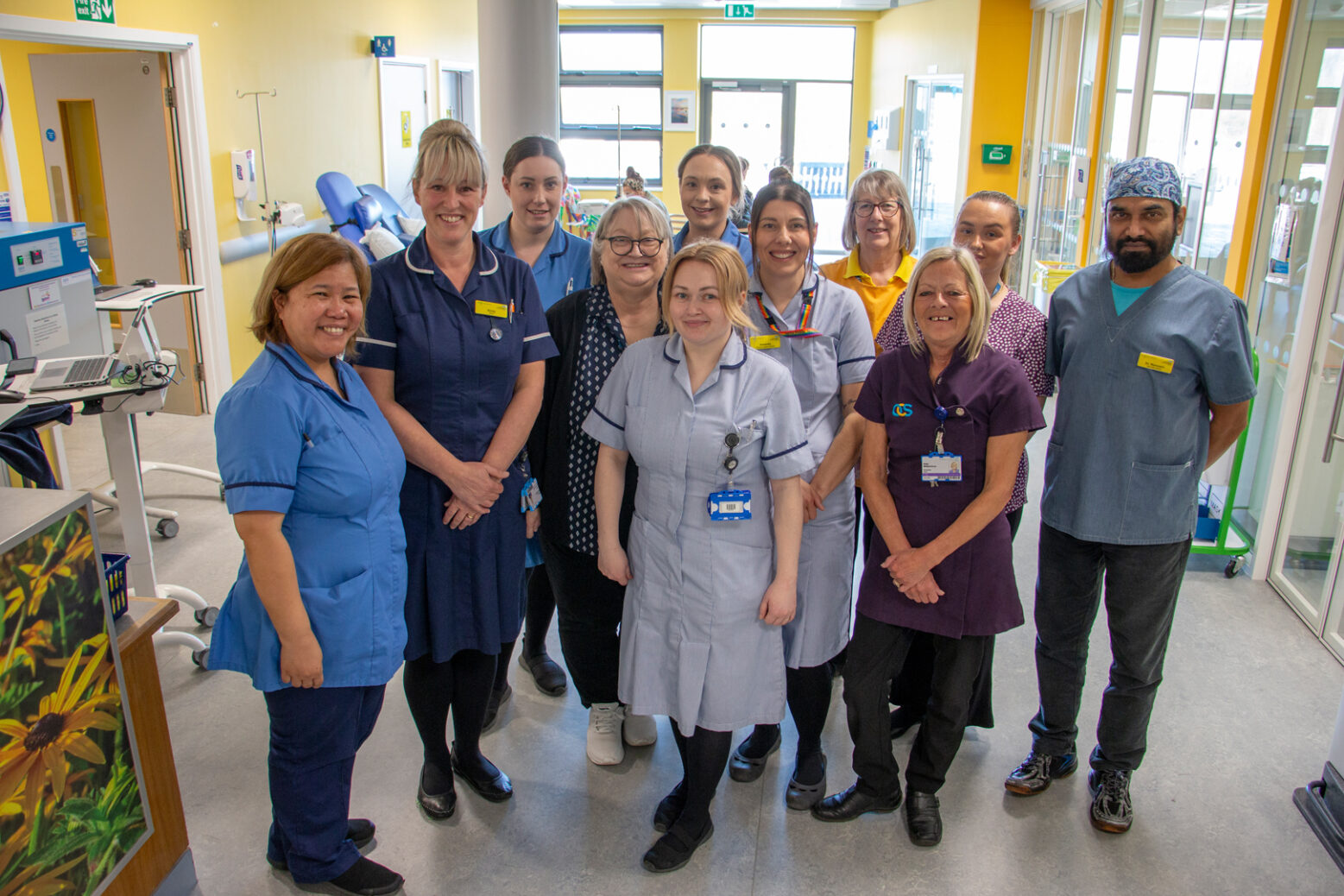
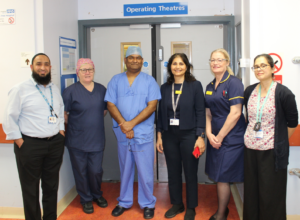
Some of the team from Queen’s Centre Acute Assessment Unit

Patients with oncology or haematology conditions in Northern Lincolnshire are to benefit from a new emergency service aiming to reduce unnecessary hospital admissions.

NHS Humber Health Partnership is expanding its triage service at the Queen’s Centre Acute Assessment Unit (QCAAU) for patients experiencing acute problems relating to their oncology or haematology conditions.

The service, currently helping patients in Hull and the East Riding, will now be expanded to help patients living south of the Humber, who will be given contact details once they begin treatment.

Sister Kirsty McDonagh, who manages the QCAAU, said a Senior Nurse Co-ordinator and Triage Assistant will staff the triage service 24/7 from April to help patients avoid unnecessary hospital admissions or visits to Emergency Departments in Scunthorpe, Grimsby and Hull.

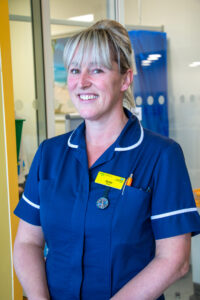
Sister Kirsty McDonagh

“We triage patients undergoing oncology and haematology treatment to determine whether they need to come to us, need direct admissions into wards or other services, if they require pharmacy or if they need to contact their GP for ongoing issues,” she said.

“This expansion means we can create a single point of access triage for patients from both Hull University Teaching Hospitals and Northern Lincolnshire and Goole Hospitals.

“Very often, these patients are keen to avoid stays in hospital so they can remain at home with their families so it’s essential that we try to meet their wishes while ensuring they get the right care in the right place at the right time.”

Mum-of-three Amy Richards has used the Acute Assessment Unit at the Queen’s Centre for the past three years.

Amy, 39, was diagnosed with breast cancer 10 years ago and was diagnosed with a recurrence during her remission. Since the chemotherapy for her second diagnosis ended, Amy, who lives in East Hull with her husband and three children, now aged 10, 11 and 16, has used QCAAU regularly for a complication linked to chemotherapy.

“It’s an absolutely amazing place,” she says. “I have every confidence in their expertise and professionalism and everyone is so welcoming and pleasant.

“Instead of going to a GP who doesn’t know my history and might feel they have to start from the basics to get to an appropriate outcome, the staff in the unit know me, know my history and are the experts in cancer treatment and care and I have always been treated quickly in relation to issues linked to cancer related treatment.”

Now cancer free, Amy says “There’s continuity of care here and I have so much confidence in the unit. I’ve been incredibly well looked after throughout my treatment and ongoing care by my Oncology Consultant, all staff in the Queen’s Centre and linked specialities.

“My appreciation and thanks for the services at the QCAAU, to Dr Mansoori and all of the staff here is immeasurable, as is the dedication and passion of the team of staff and volunteers.”

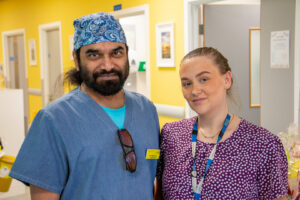
Dr Ilyas Mansoori and Patient Placement Co-ordinator Elisha Jones


Portering team goes electric with innovative eCargo bike

Communications TeamNews

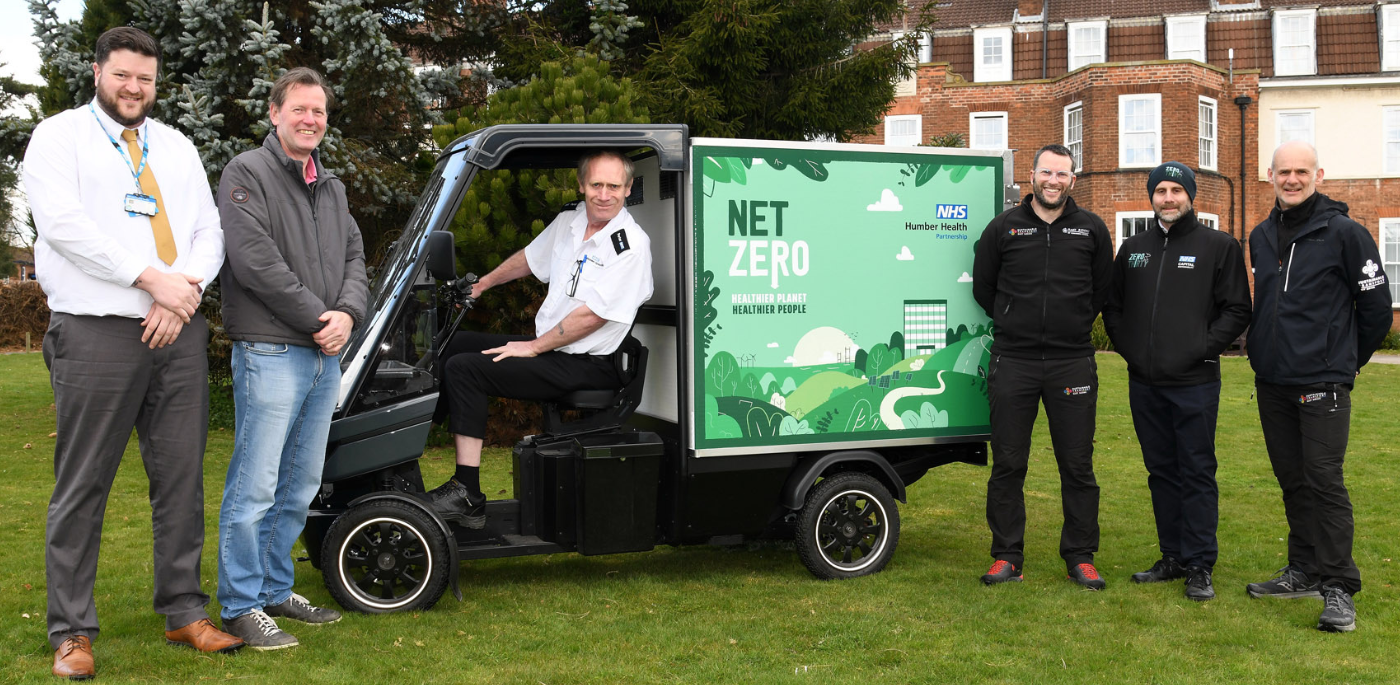
A new carbon-saving electric bike is being trialled by the porter team at Castle Hill Hospital thanks to a partnership with East Riding of Yorkshire Council.

NHS Humber Health Partnership is continuing its award-winning collaboration with the council’s sustainable transport team at the Castle Hill site in Cottingham.

The latest joint project is the introduction of an electric-powered quadracycle eCargo Bike, which will be tested by the portering team.

Quadracycles operate in a similar way to an electric cycle, whereby the user must pedal in order to gain assistance for the electric motor.

eCargo bike with a man seated inside, pedalling

Castle Hill Hospital will be one of the first NHS sites in the country to use one in a drive to increase sustainability and promote workforce wellbeing.

The bike will be in use for a trial period of 12 months, carrying linen, gas cylinders, other medical equipment and essentials around the 168-acre hospital site.

If successful, it will replace one of the site’s vans, reducing both carbon emissions and operational costs as well as increasing levels of physical activity in the workforce.

Jeroen Beumer, commercial director at Cargo Cycling, the firm which supplied the eCargo Bike, came all the way from his base in Netherlands to see the vehicle on site.

Marc Beaumont, head of sustainability at the trust, said: “The eCargo bike is a fantastic addition to our fleet and will help to contribute to our net zero ambitions.

“With its own solar field, Castle Hill is already leading the way when it comes to hospital sustainability, and we hope to use the electricity we generate ourselves to recharge the new eCargo bike batteries.”

Steve Wigley, principal officer with the council’s sustainable transport team, said: “We have been working with the team at NHS Humber Health Partnership since 2021.

“This is a truly exciting next phase, building on our award-winning active travel initiatives and strengthening partnership.

“This specific project has been funded by Active Travel England’s Capability Fund secured by the council’s asset strategy team.”

Since working in partnership with the council, Castle Hill Hospital has achieved national recognition by being awarded Modeshift National Sustainable Travel Award, Team of the Year, whilst achieving a 13.5% modal shift away from driving in a single year.

The site’s independently-accredited travel plan – a package of measures aiming to reduce car use – is rated as ‘very good’ by Modeshift STARS, an organisation backed by the Department for Transport/Active Travel England.

Andrew Bradley, sustainable travel lead, net zero travel and transport for NHS England, said: “This is another exciting partnership between local authorities and an NHS Trust at the forefront of innovation.

“We hope this project will be the first of many, showcasing what is possible.”

Tell us about your Healthcare Heroes

Charlie GrinhaffNews

Image of Golden Stars logo

Help us shine a light on your Healthcare Heroes!

We need your nominations for a special award to celebrate the amazing efforts of local NHS staff.

Northern Lincolnshire and Goole NHS Foundation Trust and Hull University Teaching Hospitals NHS Trust are working together as NHS Humber Health Partnership (NHSHHP).

Our teams work across Hull, Scunthorpe, Grimsby, Castle Hill and Goole hospitals, and out in the community.

Our annual staff awards ceremony, Golden Stars 2025 will be held in October and we want to hear from you!

As part of those celebrations, we’re seeking nominations for the Healthcare Heroes Award. If you’ve recently been a patient at one of our five hospitals or under our community services, and want to highlight a staff member or team that made a difference to your experience, we want to hear from you!

Whether it’s a compassionate individual or a whole team of dedicated professionals you’d like thank, put them forward for this award as a mark of recognition.

Chairman for NHS HHP, Sean Lyons, said: “This is your opportunity to shine a light on some of our amazing local NHS heroes who support well over a million patients each year. Help us celebrate their remarkable efforts and outstanding achievements by putting forward a nomination today.”

Amanda Stanford, Acting Group Chief Executive for NHS HHP, added: “Our team of over 17,000 staff strive to deliver the highest quality care for our patients. If a member of our team has provided you, or a loved one, with exceptional service, I can think of no better way to express your gratitude than by nominating them for this award.”

The winner of the Healthcare Heroes award will be revealed, alongside 14 other awards, at the Golden Stars 2025 ceremony at the Baths Hall in Scunthorpe on Friday 10 October.

If you have been a patient or visitor at one of our hospitals or in our community health services, you can nominate a staff member, clinical or non-clinical, by visiting the awards website at: https://www.nlg.nhs.uk/about/trust/awards/

Nominations will be accepted up until midnight on Friday 13 June.

A holistic approach to health and recovery

Communications TeamNews

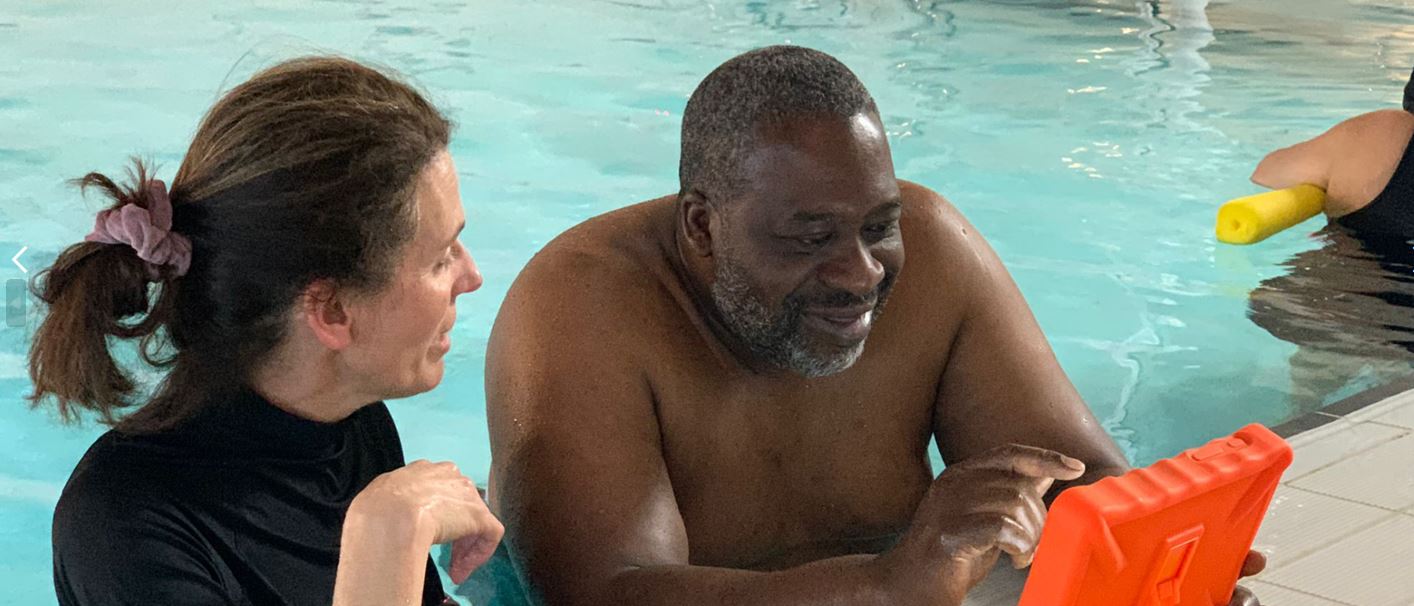
man in swimming pool watching instruction on a tablet with support of a swimming instructor

Water-based wellbeing programme also helps to improve patient flow

The benefits of water-based therapy have been well known for centuries to the Greeks, the Romans, and later the Ottomans, but you don’t have to step back in time to discover just how helpful this can be.

The rehabilitation medicine team at Castle Hill Hospital has been working with East Riding Leisure to offer access to tailored health and wellbeing programmes to aid patients’ physical mobility, balance, strength and confidence as they recovery from brain injury.

But the potential these programmes offer for other patients with ongoing health conditions or for those on elective surgery waiting lists is also huge.
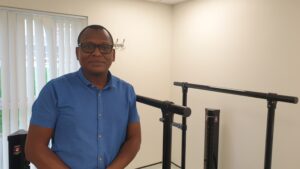
Dr Yomi Salawu, consultant in rehabilitation, in a blue shirt standing by a treadmill

Dr Yomi Salawu, consultant in rehabilitation medicine

Dr Yomi Salawu, consultant in rehabilitation medicine (pictured), tells us more:

“One of the most successful ways to help patients on their journey to recovery, or indeed to better health and wellbeing more generally, is to provide personalised care.

“Our team has been referring suitable patients to Good Boost since it launched late last year, and previously to the HealthiER exercise on prescription programme, as a means of supporting their ongoing recovery once they leave hospital.

“Good Boost comprises a range of pool and studio-based activity from leisure centres in Beverley and Driffield which can be tailored to individual needs and goals, plus there’s an option for people to take part in virtual programmes too.

“There is increasing clinical evidence of the beneficial effects of water-based activity in promoting recovery which is the hallmark of rehabilitation. The buoyancy of the water helps to support the weight of the body and reduce lower limb loading for people who need to practice walking, for example, while at the same time, the water provides resistance to help strengthen muscles.

“Other advantages of water-based activity include faster recovery and increased range of movement, and let’s not forget that hydrotherapy is also known to help with stress reduction, relaxation, and mental well-being too. It really is a holistic approach to health and recovery.”

Good Boost is available to patients with many different types of health condition or to people who would simply benefit from increased physical activity or improved mobility. As well as helping after an issue or illness has occurred, it can also be a vital tool in preparing people for elective surgery, helping patients to lose weight and lower their blood pressure, for example, to give them the best possible chance of successful surgery.

Clinicians can refer any patients they believe would benefit, at any stage of their care, or individuals can also self-refer. There is a small charge of £36.50 for access over 10 weeks, but this also includes access to virtual classes and to leisure centre facilities beyond the Good Boost organised sessions.

Woman exercising in swimming pool following instructions on a tablet

Good Boost can be used to aid prevention, treatment and recovery from most conditions, although not all patients will be suitable for referral; some common contraindications would include open wounds that are yet to heal (e.g. following surgery), active infections, tracheostomy, severe epilepsy, UTIs and illness such as a common cold or fever.

As well as the many benefits community-based exercise programmes like these bring for the individuals, there are also knock-on benefits for others too.

Dr Salawu continues:

“As health professionals, we know the importance of patients being fit for surgery, so use of Good Boost or similar exercise on prescription programmes can help to keep those who are waiting for an operation in good health, and help others who may not be in the best shape right now to improve the chances of their surgery being successful.

“If patients are fit, well and prepared for surgery, it reduces the number of cancellations or postponed operations, helps us maximise use of our theatres and surgical staff, and helps maintain timely access to surgery for other patients.

“From the perspective of my team working in rehabilitation, the delivery of programmes like these has really helped to reduce pressure on the community rehabilitation team and enabled them to see those with the most pressing needs more quickly.

Women working out in swimming pool watching instruction on tablets

“We started to see this during the COVID pandemic when leisure centres supported the physical aspects of Long Covid rehab and recovery programmes. Over time, this type of programme has continued and been extended out to more patients and conditions beyond just Long Covid, and we have continued to see benefits in both our team capacity and our patient services.

“As waiting lists for Good Boost are short, suitable patients can now access physical activity sessions earlier than they could be seen by the community therapists, which is better for them, but it also allows the community therapists to focus on the higher risk and more disabled patients for whom the leisure centre sessions would not be suitable.

“What’s also really important is that this type of programme gives people the chance to have a say in and take responsibility for their own health. Many of our patients leaving hospital are keen to continue their recovery and regain their independence, they want structure and they’re highly motivated, so this type of programme can be really empowering for those who just want to keep going without having to wait for community services either.”

Good Boost is suitable for a wide range of people, from those who are pregnant or post-partum through to people with back pain, arthritis, those on elective waiting lists and those looking to improve mobility and coordination.

An informal drop-in session for both referrers and potential participants will be held this coming Monday 7th April at 1pm at Beverley Leisure Centre. More details about the programme will be available, plus there will be the opportunity for hands-on demonstrations of the tablets used by participants, and suitable referrals can be taken on the day.

If you’re unable to attend, you can find out more from the Good Boost website or from Caroline Duke, Healthy Lifestyle Development Officer /call 07800 783593.

‘Don’t suffer in silence,” says hospital specialist nurse

Communications TeamNews

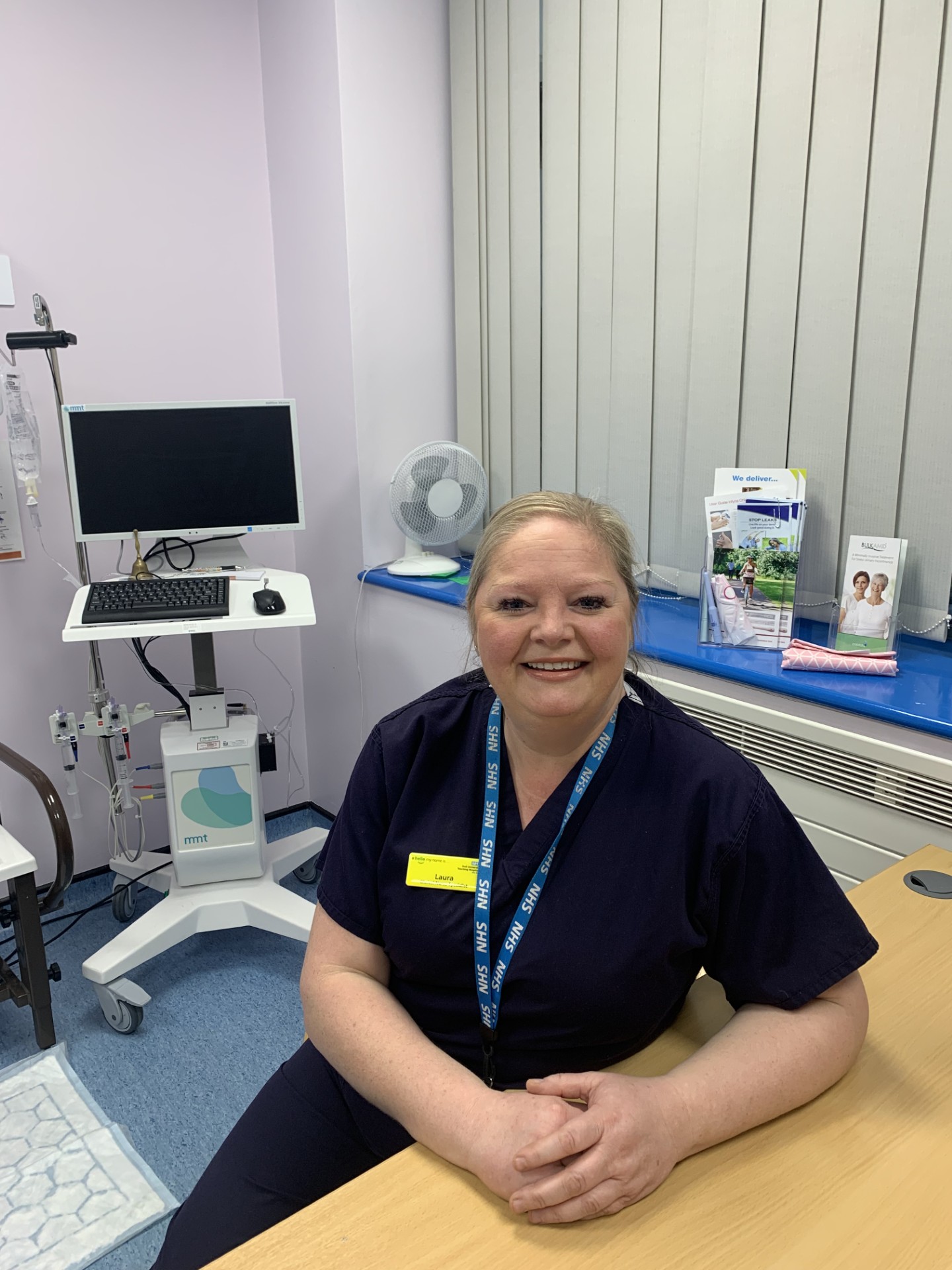
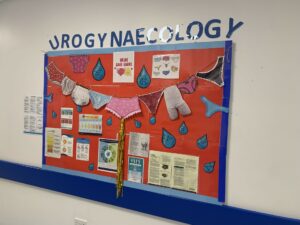
Thousands of women in East Yorkshire and Northern Lincolnshire could be suffering in silence with incontinence or bladder weakness, a hospital nurse specialist says.

Laura Rimmer, a Clinical Nurse Specialist in Urogynaecology at Humber Health Partnership, says more than six in 10 women will experience some form of incontinence during their lives.

However, despite its prevalence, many will not seek help because of embarrassment.

Urogynaecological specialist nurse Laura Rimmer

Laura, who works for the NHS group running Hull Royal Infirmary, Castle Hill Hospital, Scunthorpe General Hospital, Goole Hospital and Diana, Princess of Wales Hospital in Grimsby, is encouraging women to seek medical support.

“Too many women feel too embarrassed or worried to ask for help but taking that first step can make all the difference to their quality of life,” says Laura.

“You don’t have to suffer in silence – there are many ways we can help which don’t involve surgical intervention and can be done by yourself in the comfort of your own home.”

Urinary incontinence and bladder problems can be caused by factors including childbirth, menopause, diabetes and neurological conditions including MS. It can also be linked to bowel problems such as constipation because of the proximity of organs in female bodies.

Symptoms include a sudden urge to urinate, needing to urinate more often than usual, waking up frequently at night to urinate and involuntary loss of urine, especially during physical activities such as laughing, sneezing or exercising.

One in four women over 40 will experience incontinence during their lifetime and it’s linking to ageing, affecting 43pc of women aged 50 to 64 and more than half of women aged 65 to 80.

Those affected say it leaves them feeling isolated or depressed and it can stop them enjoying activities like dancing, running or going to the gym.

Women from both banks of the River Humber are referred to the Urogynaecology Service, based at Hull Women and Children’s Hospital, by their GP, midwife, a multi-disciplinary team or following treatment for gynaecological or bowel conditions.

They are triaged by the consultants, with Laura seeing about 25 women a week – or around 1,000 a year – for her nurse-led service.

Treatment can include pelvic floor exercises and education, conservation management using specially designed devices to prevent leaking or intermittent self-catheterisation, where women can take charge of their own bladder control without having to come for hospital or GP appointments.

Laura says: “Some women find that stopping caffeine, fizzy drinks and drinking at least two litres of water a day can help reduce symptoms while others can be helped by taking anticholinergic medication, pessaries, conservation management, pelvic floor exercise techniques or self-catheterisation.

“Whatever your problem, just remember it’s nothing we haven’t seen before and there’s no need to be embarrassed. Instead, it can make all the difference to your quality of life and help you take charge of your own health once more.”

Overcome your “poo” embarrassment, says bowel screening team

Communications TeamNews

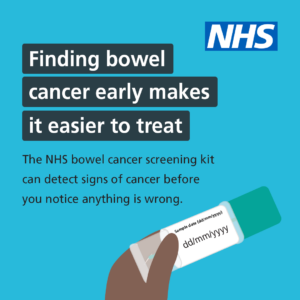
A poster showing the message "Finding bowel cancer early makes it easier to treat"A hospital screening service is appealing to people in East Yorkshire and Northern Lincolnshire to overcome their embarrassment so they can be checked for bowel cancer.
Everyone aged 50 to 74 is eligible for bowel screening every two years.

However, although bowel cancer is one of the most common cancers in the UK, figure show only 69 per cent of people send back their tests, meaning those with cancer are missing out on early treatment which could save their lives.

With Tuesday, April 1, marking the start of Bowel Cancer Awareness Month, Paula Brown, Programme Manager for Humber and Yorkshire Coast Bowel Cancer Screening Centre, urged people to do their tests at home.

She said: “We understand people feel embarrassed to talk about poo or think about toilet matters but we would urge you to overcome this and do this painless and easy test.

“You can do it in the privacy of your own toilet – no one is watching or judging you – and taking a few minutes to complete the test can give you peace of mind – or allow us to help you if you need further tests.”

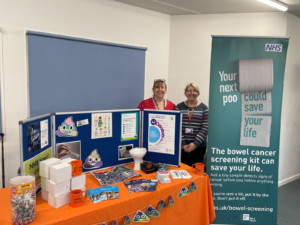
Louise Bond Specialist Screening Practitioner and Faye Wooler Administrator stand in front of a display promoting bowel screeningThe faecal immunochemical test (FIT) examines a sample of your poo for blood, one of the signs of bowel cancer. Here’s an easy, step-by-step guide from the NHS, showing you how to complete the test at home.
Humber and Yorkshire Coast Bowel Cancer Screening Centre supports people in Hull, East Yorkshire, Northern Lincolnshire and North-East Lincolnshire who require further screening for bowel cancer following the results of their initial home FIT test.

Based at Castle Hill Hospital in Cottingham and Diana, Princess of Wales Hospital in Grimsby, the team of specialist nurses known as Specialist Screening Practitioners (SSPs), doctors and admin staff help people whose home tests show abnormal levels of blood in their poo..

You’ll have a chat with one of the specialist nurses who’ll discuss your results and explain the medical procedure known as a colonoscopy where a thin, flexible tube with a camera checks for abnormalities such as polyps, inflammation or cancer.

Paula said the highly skilled hospital-based team will be able to allay any concerns or fears you may have if you’re called for further tests.

She said: ““Of those who did the test in 2021/22, just under two per cent required further testing so the chances are high that you will not need to do anything until you get your next FIT test in another two years.

“But it’s important that you do the home test in the first place, confident in the knowledge that our team will be here to help and support you if you require further examination.”


Patients with endometriosis to benefit from national accolade

Simon LeonardNews

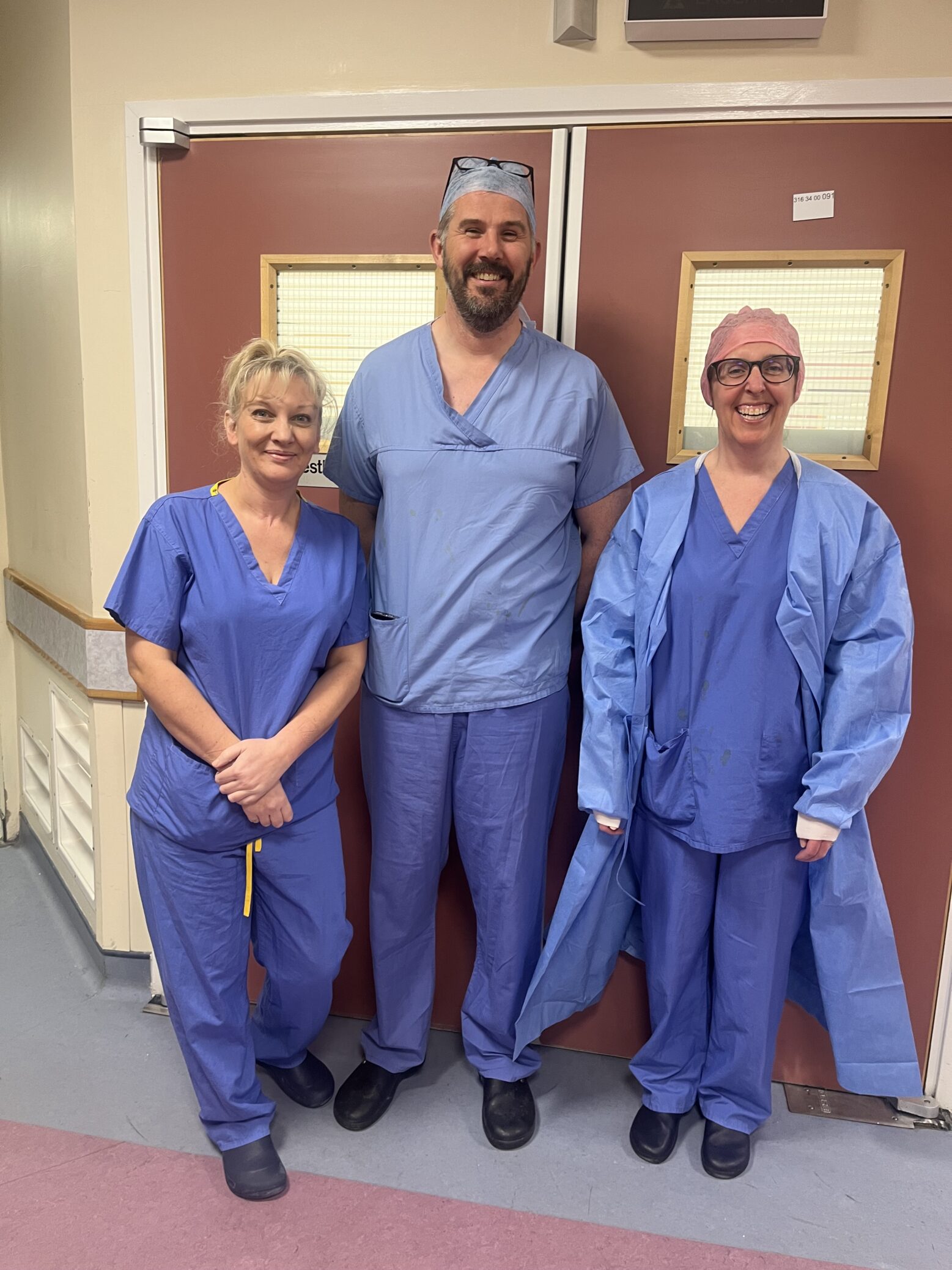
The HUTH endometriosis team

Patients across the region with endometriosis are benefiting from a specialist service which has been recognised nationally.

Northern Lincolnshire and Goole NHS Foundation Trust (NLaG) and Hull University Teaching Hospitals NHS Trust (HUTH) – part of the NHS Humber Health Partnership group – have yet again had their endometriosis centres accredited by the British Society of Gynaecological Endoscopy (BSGE).

This puts our gynaecology services on the map and gives patients the confidence that they’ll receive high-quality care. It’s also timely as March is Endometriosis Action Month.

Endometriosis is a condition where tissue similar to the lining of the womb is found in other parts of the body, including the ovaries, fallopian tubes, inside the tummy, and in or around the bladder or bowel. It can cause severe pelvic pain, painful intercourse and periods, bowel pain and urinary problems. Surgery for deep endometriosis is deemed complex and hence, as per National Institute for Health and Care Excellence (NICE) guidance, these treatments should be provided in accredited centres.

Heidi Boldock was a patient at the Endometriosis Centre at Scunthorpe hospital. She said: “I was in excruciating pain for two years before I had my hysterectomy. It was a life-changing operation for me – I went from being a ‘10’ on the pain chart to being a zero. You feel like you’re in good hands because they’re experts. It also usually takes many years to get a diagnosis for endometriosis. There will be lots of people out there who won’t know how to go about getting a diagnosis. My advice is go see your GP immediately if you think there’s a problem, as early diagnosis is key.”

Heidi was so pleased with the treatment she received that she even wrote some poetry about her experience and to thank the staff who saw her.

She added: “All of the staff were excellent and I couldn’t have asked for better treatment. I am now able to live a normal life.”

Victoria Puckering was a patient at the Endometriosis Centre at Hull. She said: “I had my surgery and I was really impressed with the treatment I received. I think knowing the centre has the BSGE accreditation gives you more confidence in the service – you know they’re specialists in what they do.”

Victoria also works for the charity – Endo Buddies – which creates care packages for people undergoing surgery for endometriosis.

She added: “Although there is more awareness of endometriosis than there used to be, I definitely think there still needs to be more.”

The NLaG endometriosis team

The NLaG endometriosis team. Left to right: Dr Nauman Akhtar, Mrs Tracy Duell, Mr Ramana Kallam, Miss Preeti Gandhi, Mrs Jane Palmer and Miss Sonia Abishek

Miss Preeti Gandhi, lead consultant gynaecologist for endometriosis and advance laparoscopy services at NLaG, said: This marks our fifth consecutive year of accreditation – a testament to the dedication, expertise, and collaborative working of the specialist team delivering care to patients with complex endometriosis. For endometriosis centres, the two most important things are for the surgeons to have advance laparoscopic surgical skills and to have a team which is passionate to deliver a high-quality service to the patients suffering in pain due to endometriosis. I’d like to express my gratitude to our team and all of the supporting services for this fantastic achievement.”

Mrs Jane Allen, who is one of two consultants in the Endometriosis Centre at HUTH along with Mr Keith Cunningham, said: “We’re delighted to be awarded this accreditation. This means we’ve been recognised for providing the highest quality treatment to patients with complex and deep endometriosis. This is a great news for our patients suffering from endometriosis, as they will benefit from a specialist service at the Trust. I want to say a big thank you to the team for all their help and support.”

Training Hull radiographers with enhanced life-saving skills

Communications TeamNews

Hull radiographers are pioneering patient safety with specialised training to save patients experiencing life-threatening reactions during scans.

CT Specialty Manager Andrew Stephens supports training for radiographers in community-based and mobile CT scanners in Hull, York, Grimsby, Selby, and Beverley, enabling them to respond to emergencies without support from doctors.

Other hospital trusts are now following the Humber and North Yorkshire CT and MRI Scanning Service, which operates community scanning for Hull University Teaching Hospitals, Northern Lincolnshire and Goole Foundation Trust, and York Foundation Trust.

Andrew said: “We are one of the first in the country to deliver this safe service to patients and we’re very proud our service is leading the way on training.”

Patients undergoing CT or MRI scans receive contrast agents or dye injections, which help radiologists diagnose or rule out serious health issues. However, a small number experience severe allergic reactions, known as anaphylaxis, which can be fatal without immediate intervention.

While anaphylaxis is managed in hospitals by doctors and crash teams, radiographers in community scanners work alone, prompting Andrew to develop training to equip radiographers with the necessary skills. In collaboration with the trust’s Resus Department classroom-based, enhanced life-saving skills training for Radiographers is provided.

Andrew also collaborated with Hull’s Clinical Simulation team to create a scenario using a mannequin to simulate a patient with anaphylaxis.

Kirsty Stephenson, Nursing Simulation Fellow, said: “The scenario allowed staff to learn how to respond should they ever encounter this very rare reaction in real life. It gives them the chance to put what they learn in the classroom into practice, learning from mistakes or better ways of working in a safe space.”

Clinical Simulation exercises are organised every three months and the new way of working is now being introduced in CT departments at Castle Hill Hospital and Hull Royal Infirmary. Jane Boddy, MRI Specialty Manager, has also implemented the training with the MRI team, addressing the unique risks posed by powerful magnets used in MRI scans.

The new system of radiographers with enhanced life support skills will be introduced in the new Community Diagnostic Centre in Hull later this year.

Andrew has been invited to present his work to leading radiologists and radiographers at the UK Imaging and Oncology Conference in June.

Cases of TB on the rise, says Hull Infectious Diseases Consultant

Communications TeamNews

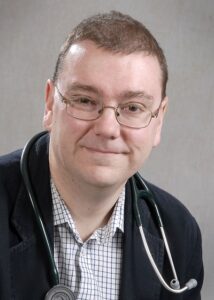
Dr Patrick Lillie, with a stethoscope around his neckA specialist in infectious diseases in Hull is warning cases of Tuberculosis (TB) are increasing, with homeless people or those with drug or alcohol addictions at risk.


TB cases rose by 13 per cent rise in England last year. While 81.5 per cent of cases were diagnosed in people born outside the UK, there was also an increase in people born in the UK.

To mark World TB Day today, Dr Patrick Lillie, Consultant in Infectious Disease at NHS Humber Health Partnership, said Hull, like other cities in the UK, could see increasing cases of TB because of social risk factors like drug misuse and rough sleeping.

Dr Lillie said: “London and the West Midlands are already seeing an increase in cases but because TB is linked to deprivation and social issues such as drug and alcohol addiction, homelessness or close living in poor-quality housing, it’s possible that other cities, including Hull, could see more cases too.

“TB is a really serious infection so it’s important that anyone showing symptoms of TB gets tested and, if confirmed, receives treatment quickly to give them the best chance of recovery.”

Image of a lung infected with TB plus a list of symptoms

The UK Health Security Agency says social risk factors for TB include drug and alcohol misuse, homelessness, prison and mental health needs. More than 17 per cent of people with TB are affected by one or more of these factors. Asylum seekers are also at risk of TB because of deprivation and poor social conditions.

TB mainly affects the lungs but can affect any part of the body, including lymph nodes, bones and the brain, causing meningitis. It spreads when a person with TB in their lungs coughs or sneezes.

Symptoms can include a cough lasting more than three weeks, high temperature or drenching night sweats, loss of appetite, unexplained weight loss and feeling tired or exhausted.

Anyone showing symptoms of TB should see a GP or be encouraged to seek medical advice as soon as possible.


Hull neurosurgeons secure investment in brain surgery

Communications TeamNews

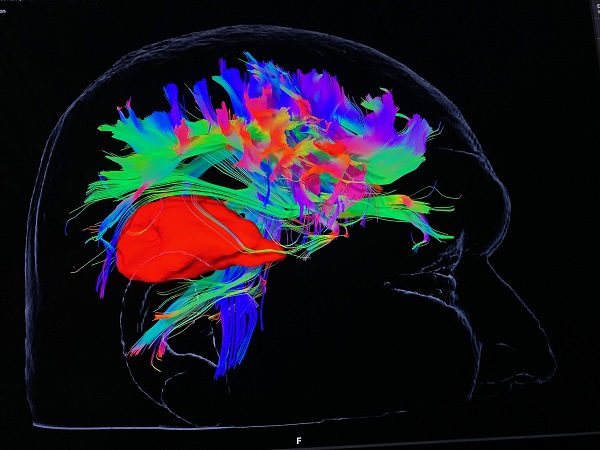
A brain map produced by the new software

Patients with brain tumours are to benefit from precision surgery after Hull’s team of neurosurgeons secured a £100,000 investment to upgrade technology.

NHS Humber Health Partnership has invested £100,000 in digital software to enable neurosurgeons to conduct brain surgery with pinpoint accuracy, reducing the risk of damage to key functions like speech, vision and movement.

The neurosurgery team, based in the Neurosciences Unit at Hull Royal Infirmary, will now be able offer safer and more effective treatment to patients with brain tumours or aneurysms using the Elements software by medical technology company Brainlab.

Mr Chittoor Rajaraman, dressed in a suit and red tie, smiles for the cameraConsultant Neurosurgeon Chittoor Rajaraman said: “For the first time in Hull, we will be able to use this technology to offer patients safer surgery, with better outcomes.
“Hull is keeping pace with developments in neurosurgery so, although we are a smaller unit compared to other parts of the country, our patients are receiving the best possible treatment delivered by the latest technological advances.”

Hull Royal Infirmary’s neurosurgeons treat around 80 patients a year with cancerous brain tumours called Glioblastoma (GB). Although the most common type of malignant brain tumour, Glioblastoma is incurable and grows rapidly. Surgery aims to give patients the best quality of life for as long as possible and neurosurgeons attempt to remove the tumour from the brain, known as resection.

However, this type of brain surgery carries high risk of damage to important parts of the brain such as those used to control movements, speech or vision because of their proximity to the tumour. “Brain shift” can also occur during surgery, rendering scans taken before the patient is in theatre less accurate.

Hull is one of over 15 neurosurgery units around the country, including King’s College, Oxford and Imperial College in London, which have been taking part in a national surgical trial known as FUTURE-GB for the past four years.

More than 300 patients are being monitored over two stages to see what difference a combination of new technology makes to post-surgery recovery, quality of life and survival.

Based on their experience in the trial using the latest software, Mr Rajaraman and his team have secured funding over five years to pay for the new Elements software, enabling neurosurgeons to plan each step of surgery to map and remove as much of the tumour as possible.

Real-time ultrasound imaging is produced during surgery, providing the neurosurgeon with on-the-spot information to help them adapt or change course if brain shift has occurred to protect key “wiring” in the brain as it can combine with the tractography images of the Brainlab Elements software.

Intra-operative ultrasound helps to reduce the time patients spend in theatre as the neurosurgery team will no longer have to halt the already-complex surgery to send the patient for an MRI scan to check the progress of the resection.

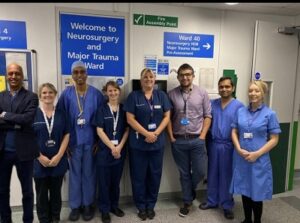
Members of the Hull FutureGB team stand outside the Neurosurgery unit at Hull Royal Infirmary

Mr Rajaraman said: “We can request ultrasound scans within a minute or two and then carry on, without the need to stop surgery for a patient to have an MRI.

“It is much better for the patient, achieving better outcomes and a greater quality of life for as long as possible.”