
- Reference Number: HEY194/2026
- Departments: Radiotherapy
- Last Updated: 31 July 2026
Introduction
This leaflet has been produced to give you general information about your treatment. Most of your questions should be answered by this leaflet. It is not intended to replace the discussion between you and the healthcare team, but may act as a starting point for discussion. If, after reading it, you have any concerns or require further explanation, please discuss this with a member of the healthcare team.
Your doctor will have already informed you that all the tests carried out so far have shown no signs that the cancer has spread anywhere else. Therefore, your cancer is at an early stage, and there is a very good chance of curing it. Your doctor or surgeon has informed us that you fully understand that the standard treatment is major surgery and that:
- They feel that you are not fit enough for the standard treatment due to your other medical problems, which can put you at a very high anaesthetic risk or
- You do not want any surgery that involves either a permanent or a temporary stoma (bag).
We understand that either you or your doctor has requested information regarding alternative options.
It is important to help you understand that:
- Not all rectal cancers are suitable for local treatment, and therefore it may not be possible to offer you this.
- There is a higher risk of local recurrence following local treatment. This is approximately 10% compared to 4% with standard treatment.
- Should the cancer come back (usually within the first 2 to 3 years), you will need to consider that standard surgery may be required and that may involve a permanent or a temporary stoma (bag).
Investigation at the start of your treatment
You will have an MRI and a CT scan to find out the extent of your cancer and exclude the spread of cancer. You will also have an intra-anal ultrasound scan (probe inserted into your back passage) to find out the depth of invasion of your tumour. You will also have some blood tests.
Local treatment options
Some patients will need to begin their treatment with local surgery, and this will be followed by radiotherapy.
Surgery
If your rectal cancer is small (less than three centimetres), then it may be possible to remove this through your back passage without opening your abdomen. Your surgeon will discuss the options with you.
Radiotherapy using the Papillon technique (Colorectal electronic Brachytherapy
Contact (low-energy X-rays treatment) is a recommendation for patients who are unfit for general anaesthesia or who do not want surgery and formation of a stoma (bag). If your cancer is small (less than three centimetres) and if the cancer is not too deep with no evidence of lymph node involvement, then local contact radiotherapy using the Papillon contact treatment can help. Unlike surgery, this treatment does not involve a general anaesthetic and may be more suitable for you. (Figure 1, Papillon X-ray Machine). However, not all rectal cancers treated with the Papillon method respond to the treatment. If you do not respond, you may need to have external beam radiotherapy with or without chemotherapy (drug treatment). If there is still cancer remaining, you may need local surgical resection. Contact Brachytherapy is a highly localised treatment that uses an X-ray tube to generate the radiation; no radioactive sources are used. This is different to conventional sealed source brachytherapy.
Combination treatment
For larger cancers (more than three centimetres), we need to shrink the cancer as much as possible before going on to surgery. This involves a course of radiotherapy or chemo-radiotherapy.
If you meet the criteria for Contact electronic brachytherapy (papillon), your clinical oncologist will discuss the treatment, including the risks and side effects, and you will have the opportunity to ask questions. If you want to go ahead with the treatment, you will be asked to sign a consent form.
What happens if I have Contact Electronic Brachytherapy?
You will usually receive treatment as an outpatient. Upon arrival at the department, you will be given medication to clear your bowels before the treatment. We will also give you a local anaesthetic gel to apply around your anus to numb the area and ease any discomfort, and a cream to relax the muscles around your back passage.
A Therapeutic Radiographer will explain the treatment procedure in more detail. The actual treatment usually takes about 1 – 2 minutes, but you will be in the treatment room for about half an hour.
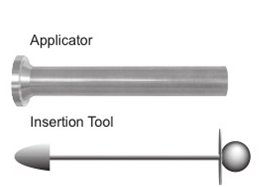
In order to maintain your privacy and dignity, we will provide you with a pair of disposable shorts. Your doctor will then examine your back passage to locate the cancer. They will then insert a small instrument (sigmoidoscope) to examine the cancer carefully. Your doctor will then remove the instrument and insert the treatment tube (applicator, see Figure 2) into your back passage, placing it directly over the tumour.
When the applicator is in the correct position, the radiographer will insert the treatment tube inside the applicator (which delivers low-energy X-rays). The X-rays will only penetrate a few millimetres, and therefore the deeper normal tissue is not affected. There are very few side effects from this superficial X-ray treatment. The second treatment is usually about two weeks after the first treatment, repeating the same procedure. Your consultant will prescribe between 1 and 4 treatments. They will discuss this with you when you consent to treatment.
The equipment used in Papillon Electronic Brachytherapy
Fig 1: The Papillon Contact Treatment Machine. Papillon is the name of the French professor who popularised this technique
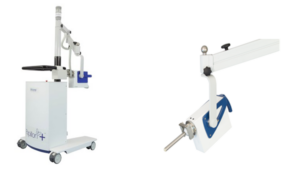
Fig 2: Applicator and Insertion Tool.
(Copyright: Images taken from the Papillon Instruction Booklet used by kind permission from Ariane Medical Systems)
Possible complications and side effects
Surgery
Any surgical procedure carries a risk of complications and death. Complications such as bleeding, pain, infections, delay in wound healing, and fistulas (abnormal connection between the front and back passage) are much lower with local treatment compared with the standard treatment.
You may experience incontinence (loss of control) of your motions for a few weeks following local surgical treatment, but this usually gets better for the majority of patients. We may advise you to do pelvic floor exercises to strengthen the muscles around the anus and help prevent further leakage.
Contact Electronic Brachytherapy
There have been no deaths reported as a direct result of this treatment. However, this treatment can cause some discomfort in the rectum due to inflammation caused by the radiation. This usually settles down 2 – 6 weeks after completion of treatment.
You may experience pain/discomfort around the back passage when the doctor inserts the rectal applicator. The local anaesthetic gel and cream used to relax the muscle will help to ease the discomfort, and the pain and discomfort usually settle down within a few minutes.
Diarrhoea (loose motions) is not common after only contact radiotherapy, but can occur if you have external beam radiation, especially when it is combined with chemotherapy. We will give you advice on what to eat and what foods to avoid. You may need some medication (e.g. Loperamide) to control the frequency of motions.
Late side effects of radiation
This includes narrowing of the back passage. This can occur in about 1% of patients. Gently stretching (dilation) the narrowing may be necessary. Your surgeon will arrange this for you.
Persistent bleeding occurs in less than 5% of patients due to dilated blood vessels. Laser treatment may be used to control the bleeding.
Fistulas (abnormal connections between the front and back passage) are a rare radiation side effect, less than 1 in 100.
Do I need to prepare for the Contact Electronic Brachytherapy?
It is beneficial to ensure that your bowel is as empty as possible during your Papillon contact brachytherapy session. Having an empty bowel is helpful because:
- It helps your doctor to see the area to be treated more easily
- Assists in making the procedure as straightforward as possible
You will need to modify your diet, starting three days before the day of the procedure. You will need to eat a diet that is low in fibre and avoid foods that increase the activity of your bowel. This type of diet is known as a ‘low residue diet’. See Table of ‘Dietary Advice for a Low Residue Diet’. You may notice that you need to empty your bowels less often and pass smaller amounts.
Before the procedure, you will have an enema, which involves inserting a small amount of liquid into your rectum through a soft tube. The liquid helps soften your stool and stimulates your bowel so that you have a bowel movement shortly afterwards to ensure that your bowel is as empty as possible. Please continue to take your usual medication unless we have advised you not to.
On the day of the procedure
You should have a light breakfast, e.g. cereal or white toast and a light lunch, e.g. white bread sandwich with lean meat, cheese or egg. Please ensure you eat on the day of treatment. After the procedure is complete, you can return to your normal diet. It may take several days to return to your usual bowel habit.
Dietary advice for a low-residue diet for Papillon Contact Electronic Brachytherapy
| Suitable foods | Foods that can make symptoms worse | |
| Meats | Lean meats e.g. chicken, turkey, ham, beef, pork, smooth pate, luncheon meat | Meat high in fat, e.g. fried or processed could make diarrhoea worse |
| Fish | White fish (including smoked) without skin, e.g. plaice, sole, haddock, cod. Avoid bones | Oily fish, e.g. salmon, mackerel, herring and sardines could make diarrhoea worse |
| Bread | White bread and rolls
White pitta bread and wraps, muffins made with white flour, crumpets |
Wholemeal, wholegrain bread and rolls
Granary or seeded bread and Rolls. |
| Flour | White Flour, cornflour, rice flour, soya flour | Wholemeal, Wheatmeal and wholegrain flours |
| Rice/Pasta | White rice and pasta | Brown and wild rice
Wholemeal pasta |
| Breakfast
Cereals |
Cornflakes, Rice Krispies, Coco pops, Frosties. | Porridge, Muesli, Bran flakes, Fruit and Fibre, Weetabix, All Bran, Shredded Wheat |
| Puddings | Milk Puddings, e.g. sago semolina, tapioca
Sponge puddings (no fruit with peel). Jelly, custard, Ice cream, meringue |
Puddings containing berries, unpeeled fruit or nuts |
| Potatoes | Without skins | Potato skins |
| Suitable foods | Foods that can make symptoms worse | ||
| Vegetables | Well cooked: Asparagus tips, swede, spinach, beetroot, cauliflower (without stalks), courgette, carrot marrow, pumpkin, parsnip, aubergine (all without skins)
Deseeded tomatoes e.g. passata or puree |
Skins, stalks or seeds of vegetables
Raw vegetables Cabbage, Broccoli, Brussels sprouts, mushrooms, okra, onions, peppers, sweet corn. Lentils, peas, beans, Pulses |
|
| Dairy | Yoghurt without seeds, pips or nuts
Cheese, Eggs, Butter, Margarine
|
Yoghurts containing seeds, pips or nuts
Cheese containing fruit or nuts |
|
| Fruit | Tinned or peeled pears, peaches
Tinned grapefruit, mandarin oranges Melon, Ripe Banana Stewed, peeled apple |
Berries
Dried fruit, dates, figs, prunes (including tinned) Kiwi, rhubarb Apricots
|
|
| Biscuits, Cakes & Crackers | Biscuits made with white flour, e.g. custard creams, shortbread, Rich Tea, Marie
Cakes made with white flour, e.g. Madeira cake, plain sponge cake, coffee or chocolate cake Cream Crackers, water biscuits, rice cakes |
Wholewheat biscuits or those with dried fruit, nuts or seeds, e.g. Hobnobs, fig rolls
Cakes made with wholemeal flour, oats, nuts or dried fruit, e.g. fruit cake and flapjack or cakes containing coconut |
|
| Sweets or Preserves | Honey, syrup, seedless jam, shredless marmalade | Jam with seeds and skin, marmalade with peel.
Mincemeat, pickles, chutney, salsa Peanut butter |
|
| Confectionary | Chocolate without fruit and nuts
Jelly, boiled sweets |
Chocolate and sweets containing nuts, dried fruits. | |
| Others | Salt, pepper, spices, herbs, vinegar
Clear soups and cream soups without vegetables, e.g. oxtail and chicken |
Seeds
Soups containing vegetables, pulses, pearl barley |
|
| Drinks | Tea, coffee, milk, milkshake, milk drinks, fruit juice, squash, fizzy drinks | Alcohol ask your consultant | |
Please still aim for your 3 to 5 portions of fruit and vegetables per day.
What happens after I have completed Papillon Contact Electronic Brachytherapy?
You will have regular follow-up appointments at each visit, and you will have blood tests and a clinical examination. You will have repeat MRI scans at 6, 12 and 24 months after the procedure.
General Information
Please read the information leaflet. Share the information it contains with your partner and family (if you wish) so that they can be of help and support. There may be information they need to know, especially if they are taking care of you following this examination.
Research
The hospital is a research-active Trust with a research strategy that includes cancer treatment and care. The radiotherapy department participates in national and international research studies to improve treatments to make them safer, more effective, and to reduce side effects. We also develop patient-centred local research to improve your radiotherapy experience to benefit you and your family. We would like to encourage you to provide feedback about your experiences and ideas to help us research the areas that are important to you. Your treatment will not be affected in any way should you not wish to take part.
Pregnancy
It is advisable that women do not become pregnant while having cancer treatment because the radiotherapy, chemotherapy, and immunotherapy can have an effect on the unborn child. It is suggested that you use a barrier form of contraception (e.g. condoms). Please speak with your healthcare team if you have any questions.
Radiotherapy Staff
Clinical Oncologist, Registrar, Consultant Therapeutic Radiographers
They are experts in radiotherapy and will be managing your treatment. They will take the responsibility for deciding what dose and how many treatments will be best for you; they will oversee the planning of your treatment. You may see them or a member of their team at your initial planning appointment, and you can see them during your treatment if you have any problems or queries.
Therapeutic Radiographers
Radiotherapy is delivered by male and female therapeutic radiographers who are specialist healthcare professionals trained to plan and deliver radiotherapy treatment and to use the specialist equipment. You will usually see the same team of radiographers, and they will assist you with any questions or problems or refer you to a more appropriate person.
Radiotherapy Support Team
The team consists of clinical nurse specialists and clinical support workers (CSW’s), who are based within the Radiotherapy Department where they provide specialised care, actively support, and advise patients before, during and after radiotherapy treatment.
Physicists, Planning Dosimetrists and Machine Technicians
Medical physicists are specialist scientists who have a key role in the individual planning of your treatment, along with the planning technicians. They may also have an input into the arrangement of your treatment. They work together with the machine technicians to ensure that the machines are reliable and working accurately.
Students
At some point during your treatment, you may encounter student radiographers. Everything they do is supervised fully. If you would prefer our students not to be present during the planning and treatment, please let a member of staff know when you attend for your initial planning appointment.
Other members of staff
During your course of treatment, you may meet our receptionists, porters, volunteer workers. All are working together to provide you with a high-quality of healthcare.
Advice and Support Services
Radiotherapy Information and Support Team
Should you require further advice on the information contained in this leaflet, please do not hesitate to contact the Radiotherapy Information and Support Team on telephone number Tel: 01482 461206
Email: hyp-tr.radiotherapy.information@nhs.net
Alternatively, contact your specialist nursing team on telephone numbers:
Hull Tel: 01482 622233
Scunthorpe Tel: 03033 306240
Grimsby Tel: 03033 303853
Radiotherapy Booking Office
If you need to speak to a member of staff regarding your appointments, please contact the Radiotherapy Booking Office on telephone number(s) Tel: 01482 461187 / Tel: 01482 461188 / Tel: 01482 461189 / Tel: 01482 461225 / Tel: 01482 461138
Cancer Psychological Service
The primary aim of our psychological service is to support patients with emotional and psychological well-being during and after oncological and haematological treatment. The service is located in the Queen’s Centre at Castle Hill Hospital, HU16 5JQ.
Contact times are Monday to Friday, 8.00 am to 4.00 pm.
Telephone number – Tel: 01482 461060 or Tel: 01482 461061
Listed below are contact details of useful organisations that provide information about cancer including radiotherapy treatments:
Macmillan Cancer Support
Aim to provide expert information and advice on all aspects of cancer and its treatment, and on the practical and emotional aspects of living with cancer.
The Macmillan Cancer Information Centre at the Queen’s Centre is open Monday to Thursday 8.00 am to 6.00 pm. You can drop in or call on Tel: 01482 461154
For Scunthorpe and Grimsby, their opening hours are Tuesday, Wednesday and Thursday – opening hours are subject to change. Telephone number Tel: 03033 305302
Alternatively, to speak to a Macmillan advisor, call the free national help line: Tel: 0808 808 0000, available 7 days a week, 8.00 am to 8.00 pm
Online: http://www.macmillan.org.uk
PALS (Patient Advice and Liaison Service)
Provide confidential advice and support, helping you resolve any concerns you have about the service you have received.
Tel: 01482 623065 – Monday to Friday 8:30 am to 4:30 pm
Email: hyp-tr.pals.mailbox@nhs.net
Should you require further advice on the information contained in this leaflet, please do not hesitate to contact the Radiotherapy Information and Support Team on Tel: 01482 461206
Email: hyp-tr.radiotherapy.information@nhs.net
General Advice and Consent
Most of your questions should have been answered by this leaflet, but remember that this is only a starting point for discussion with the healthcare team.
Consent to treatment
Before any doctor, nurse or therapist examines or treats you, they must seek your consent or permission. In order to make a decision, you need to have information from health professionals about the treatment or investigation which is being offered to you. You should always ask them more questions if you do not understand or if you want more information.
The information you receive should be about your condition, the alternatives available to you, and whether it carries risks as well as the benefits. What is important is that your consent is genuine or valid. That means:
- you must be able to give your consent
- you must be given enough information to enable you to make a decision
- you must be acting under your own free will and not under the strong influence of another person
Information about you
We collect and use your information to provide you with care and treatment. As part of your care, information about you will be shared between members of a healthcare team, some of whom you may not meet. Your information may also be used to help train staff, to check the quality of our care, to manage and plan the health service, and to help with research. Wherever possible we use anonymous data.
We may pass on relevant information to other health organisations that provide you with care. All information is treated as strictly confidential and is not given to anyone who does not need it. If you have any concerns please ask your doctor, or the person caring for you.
Under the General Data Protection Regulation and the Data Protection Act 2018 we are responsible for maintaining the confidentiality of any information we hold about you. For further information visit the following page: Confidential Information about You.
If you or your carer needs information about your health and wellbeing and about your care and treatment in a different format, such as large print, braille or audio, due to disability, impairment or sensory loss, please advise a member of staff and this can be arranged.
This leaflet has been produced by the Hull University Teaching Hospitals NHS Trust and is available as a download:
Download the “Contact Electronic Brachytherapy for Rectal Cancer (Papillon)” leaflet