
- Reference Number: HEY1652/2026
- Departments: Dietetics, Nutrition Support
- Last Updated: 31 January 2026
Introduction
The pancreas plays an important role in digesting food, as it produces enzymes that help to break down food. Conditions affecting the pancreas can reduce the number of enzymes the pancreas makes. This means that food is not digested properly, and the nutrients are not absorbed. This is known as malabsorption.
What does malabsorption look like?
Malabsorption may look different for everyone; some may present with one or more symptoms, and some may not present with any.
Common symptoms of malabsorption are:
- Pale and/or offensive smelling stools
- Stools that float, look oily, or are difficult to flush away (steatorrhea)
- Loose stools/diarrhoea or constipation
- Bloating, indigestion, increased flatulence and/or burping
- Abdominal pain and discomfort, or urgency with bowel motions after eating
- Weakness, nausea, loss of appetite
- Weight loss despite having a good appetite or struggling to gain weight
How is malabsorption treated?
Malabsorption is treated by replacing the enzymes that you are unable to produce. This is called Pancreatic Enzyme Replacement Therapy (PERT). Most enzyme replacements come in capsules. Each capsule contains a mixture of enzymes:
- Lipase – to digests fats
- Amylase – to digest starchy carbohydrates
- Protease – to digest protein
There are a number of brand names including Creon, Nutrizym, and Pancrex. The capsules come in different strengths and this refers to the amount of Lipase units. For example Creon comes in doses of 10000 and 25000. Creon 10000 has less lipase units than Creon 25000. The higher the strength, the larger the capsule.
Pancreatic enzyme replacements are extracted from pig pancreas glands and there is currently no alternative to using pork products. However, it is important to know that for those who may have a religious objection to the ingestion of pork products, special dispensation to allow these products has been granted by religious organisations as they are a medicine. Talk to your doctor, specialist nurse or dietitian if you are allergic to pork products or have concerns about taking enzymes.
How do I take PERT?
Take these capsules with your meals to help your body digest food. When you swallow the capsule with your food, it opens and releases enzymes. These enzymes mix with your food in your small bowel to help break it down, so your body can absorb the nutrients.
Swallow the capsules whole with a couple of sips of a cool drink. Store the capsules in a cool, dark place away from direct sunlight and heat sources, such as radiators. Avoid carrying them in clothing pockets or leaving them in cars during warm weather, as heat can damage enzymes, so they do not work as well.
PERT should be taken with:
- All main meals and snacks
- All milky drinks or drinks that contain more than 50% of milk
- Nutritional supplement drinks
If you are having a meal with more than once course, you may need to take additional enzymes with each course.
Meal timings
If you are taking more than one capsule, try spacing them out during your meal according to how long you take to eat. For example:
 |
Time it takes to eat: 15 minutes or less
Dose: Take full dose all at the start of the meal |
 |
Time it takes to eat: 15 to 30 minutes
Dose: Take ½ dose at start, ½ dose in middle of the meal |
 |
Time it takes to eat: 30 to 45 minutes
Dose: Take 1/3 dose at start, middle and towards the end of the meal |
How much PERT should I take?
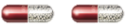
The recommended starting dose of Creon is 25,000 units:
| Main Meal
3x Creon 25,000 |
 |
| Snacks
2x Creon 25,000 |
 |
Or your prescribed dose by your Doctor or Nurse Prescriber:
| Main Meal
_________ Creon 25,000 |
|
| Snacks
_________Creon 25,000 |
Over time, most people will need to increase the number of enzymes they take from the starting dose. You may find that you need to take more enzymes with a larger meal or for fatty foods (e.g. takeaways, fried food, or food with lots of cheese or chocolate). You should not change what you eat to try to manage your symptoms as you may not get all the nutrients you need.
If you continue to experience signs of malabsorption and need support with adjusting your enzyme dose then speak to your doctor, specialist nurse or dietitian. Keeping a food and symptom diary may be helpful to monitor your progress.
When do I not take PERT?
Do not take your capsules if you:
- Miss your meal
- Take drinks that contain less than half milk (e.g. tea, non-milky coffee, fizzy drinks, fruit squashes, alcoholic drinks unless they contain milk or egg)
- Eat small quantities of any of the following:
- Fruit
- Vegetables (other than potatoes, beans, avocados and pulses)
- Dried fruit
- Sugary sweets: jelly babies, wine gums, dolly mixtures, marshmallows, chewing gum, and mints
- One small plain biscuit
What do I do if I can’t swallow the capsules whole?
If you find it difficult to swallow the capsules whole, you can open the capsules and mix the granules with a small teaspoon of acidic fruit puree (such as apple sauce).
Please make sure you:
- Do not crush the granules
- Swallow the cold mixture straight away without chewing
- Rinse your mouth with water afterwards
PERT shortage
The most up to date advice can be found on the Pancreatic Society of Great Britain and Ireland (PSGBI) website https://www.psgbi.org/position-statement-pert-shortage/
Customer support lines are available that may help you find a pharmacist nearby with stock. Creon helpline: Tel: 0800 8086410 (Monday to Friday 9am to 5pm)
General Advice and Consent
This leaflet has been produced to give you general information about Pancreatic Enzyme Replacement Therapy (PERT). It is not intended to replace the discussion between you and your doctor but may act as a starting point for discussion. If after reading it you have any concerns or require further explanation, please discuss this with a member of the healthcare team caring for you.
Consent to treatment
Before any doctor, nurse or therapist examines or treats you, they must seek your consent or permission. In order to make a decision, you need to have information from health professionals about the treatment or investigation which is being offered to you. You should always ask them more questions if you do not understand or if you want more information.
How much do I need to know?
Some people want to know as much as possible about their condition and possible treatment; others prefer to leave decisions to the experts. No one providing healthcare will force information on you, for example, about the risks of treatment if you do not want to know. Remember, the person in the best position to know what matters most is you.
Information About You
We collect and use your information to provide you with care and treatment. As part of your care, your information will be shared between members of the healthcare team, some of whom you may not meet. Your information may also be used to help train staff, to check the quality of our care, to manage and plan the health service and to help with research. Wherever possible we use anonymous data.
We may pass on relevant information to other health or social organisations that provide you with care. All information is treated as strictly confidential and is not given to anyone who does not need it. If you have any concerns please ask your doctor, or the person caring for you.
Under the General Data Protection Regulation and the Data Protection Act 2018 we are responsible for maintaining the confidentiality of any information we hold about you. For further information visit the following page: Confidential Information about You. www.hey.nhs.uk/privacy/data-protection
Your feedback matters to us…To ensure we deliver a safe and quality service and to help us understand the experience you have of the care you receive from our staff we would value your thoughts about the service you received. You may be contacted as part of our quality assurance programme which is where we visit our teams and staff and talk to them about the care they provide to our patients or at any time during or after you have needed our services.
To collect this feedback, we would contact you using the registered telephone number we hold in your care record. This feedback will be strictly anonymous and whilst we will share the feedback as part of the process, we will not share any details which may identify you.
We will never ask you any personal questions about your health during these telephone calls.
If you do not wish to speak to us, please say this when we call, we do not want you to feel pressured.
Acknowledgements
With thanks to Viatris [Creon], Guts UK, Pancreatic Cancer UK, and Pancreatic Cancer Action.
This leaflet was produced by the Nutrition & Dietetics Department, Hull University Teaching Hospitals NHS Trust and will be reviewed in January 2029.
General Advice and Consent
Most of your questions should have been answered by this leaflet, but remember that this is only a starting point for discussion with the healthcare team.
Consent to treatment
Before any doctor, nurse or therapist examines or treats you, they must seek your consent or permission. In order to make a decision, you need to have information from health professionals about the treatment or investigation which is being offered to you. You should always ask them more questions if you do not understand or if you want more information.
The information you receive should be about your condition, the alternatives available to you, and whether it carries risks as well as the benefits. What is important is that your consent is genuine or valid. That means:
- you must be able to give your consent
- you must be given enough information to enable you to make a decision
- you must be acting under your own free will and not under the strong influence of another person
Information about you
We collect and use your information to provide you with care and treatment. As part of your care, information about you will be shared between members of a healthcare team, some of whom you may not meet. Your information may also be used to help train staff, to check the quality of our care, to manage and plan the health service, and to help with research. Wherever possible we use anonymous data.
We may pass on relevant information to other health organisations that provide you with care. All information is treated as strictly confidential and is not given to anyone who does not need it. If you have any concerns please ask your doctor, or the person caring for you.
Under the General Data Protection Regulation and the Data Protection Act 2018 we are responsible for maintaining the confidentiality of any information we hold about you. For further information visit the following page: Confidential Information about You.
If you or your carer needs information about your health and wellbeing and about your care and treatment in a different format, such as large print, braille or audio, due to disability, impairment or sensory loss, please advise a member of staff and this can be arranged.