
- Reference Number: HEY1552/2025
- Departments: Paediatric Medicine
- Last Updated: 31 March 2025
Introduction
- This leaflet is designed to give you information about what to expect when you have a diabetes outpatient appointment. Following your diagnosis of diabetes your first appointment will usually be within 2 to 4 weeks.
Paediatric Diabetes Team
The paediatric diabetes team look after patients in hospital and out of hospital; you may have already met some members of the team.
There are 4 Consultants (doctors) in the Team:


Dr Mathew Dr Gupta Dr Joy Dr Tharian
There are 5 diabetes specialist nurses. One of these nurses will be your named nurse.



Gillian Baughan Jo Cater Nikki Hall


Jodie Hoyle Lauren Spaven
There are 3 diabetes dietitians in the team



Sarah Goodwin Beatriz Melo Louisa Monks
Where will the appointment be?
All of the appointments will be in person; the team hold clinics in 2 different areas of Hull Royal Infirmary. The clinic appointment you are given will depend on your age and clinic space.

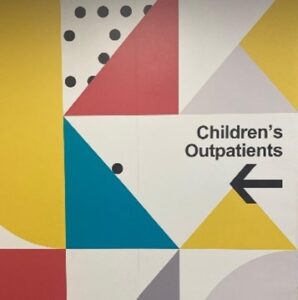
Children’s Outpatients, Women and Children’s Building
Clinics usually run in this building usually on Monday afternoons and Thursday mornings.

Allam Diabetes Centre
Clinics usually run in this building on Thursday afternoons
When you arrive at the department, please check in at the reception desk; you will then be asked to take a seat in the waiting area.
There are toys in the waiting room and consultation rooms in children’s outpatients
How often will appointments be?
After your first appointment the consultant will book the next appointment for you to be seen in 6 weeks’ time. Once you have learnt the basics of managing the diabetes, appointments will be made for you to be seen every 3 months. This can be more often when there are problems with managing blood glucose levels. You will be seen a minimum of 4 times per year by the team until between the ages of 18 to 19 years old when care is transferred to the adult diabetes team.
What do I bring to clinic?
Please bring your:
- Your blood glucose monitoring device handset (Libre/Dexcom) or blood glucose meter. These will be downloaded so the team can review your blood glucose readings with you.
- Insulin pens or insulin pump
- Hypo treatment
Who can I bring to my appointment?
A parent /carer should attend all appointments with their child if they are under the age of 16 (unless this has been discussed with the team in advance and agreed).
Carers and friends/ siblings are also welcome to attend. However please be aware that clinic rooms are small.
From the age of 13 years, you may start to see the consultant on your own. Your parent will then be asked to join afterwards.
We cannot manage diabetes without your help – the role of both parents and young people is vital. Our long–term aim is to encourage and support you to become an expert in your diabetes management.
Who will the appointment be with?
At each clinic appointment you will see one of the diabetes consultants. At this appointment there will also be a diabetes specialist nurse and a dietitian in clinic.
You may see a mixture of doctors, nurses and dietitians who will discuss your child’s diabetes, general health, growth and any problems.
We may also have other people in clinic to learn about diabetes; junior doctors, student nurses, student dietitians, psychologists etc. If you would prefer to be seen by less people at your appointment, please let us know.
Additional appointments are available to see the dietitian, nurse or psychologist, please ask the team if you would like to be booked into one of these clinics.
Write down any questions you have so you remember to ask them at your visit.
What will happen at the appointment?
At each clinic appointment
- Patients will be weighed and measured (you will be asked to remove shoes and coats).
- Hba1c (long term diabetes control test) will be checked. This is done by taking a small sample of blood from the finger, like a blood glucose test. The results of this are available in 5 minutes and will be discussed by the doctor at the appointment.

- Blood pressure check
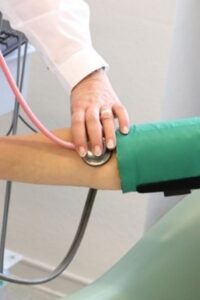
You will then see the doctor which usually includes a review of your child’s diabetes management and Hba1c result, reviewing insulin doses and glucose trends and answering any questions.
Once a year you will have an annual review appointment. This will include a full set of screening blood tests (these may be done more frequently if a medical need), a psychology questionnaire, a foot check and an injection site check. A chaperon will be available if required.
Annual review appointments will be slightly longer than routine appointments. Before an annual review appointment try to keep your child hydrated as this will help with the blood tests.
After your appointment
After your child’s appointment, a letter will be sent to you and your GP with the details of what was discussed during the appointment.
If you are unable to attend an appointment
Diabetes is a lifelong condition; it is important that you attend all appointments to ensure your child’s condition is well managed.
If you need to change or cancel your appointment, please contact:
Paediatric Outpatients: tel: 01482 607872
Allam Outpatients: tel: 01482 311824
The Trust has a safeguarding policy which promotes the welfare of children and young people. Non-attendance at diabetes appointments may lead to a safeguarding referral.
Team contacts details
Paediatric Diabetes Specialist Nurses office number: tel: 01482 675698
Dietitians office : tel: 01482 604339
Dietitian appointments: tel: 01482 604490
Consultants via secretary: tel: 01482 604338
Paediatric Assessment Unit (PAU): For URGENT out of hours support tel: 01482 674455
Diabetes Support group
HEY kids – https://heykids.org.uk/
General Advice and Consent
Most of your questions should have been answered by this leaflet, but remember that this is only a starting point for discussion with the healthcare team.
Consent to treatment
Before any doctor, nurse or therapist examines or treats your child, they must seek your consent or permission. In order to make a decision, you need to have information from health professionals about the treatment or investigation which is being offered to your child. You should always ask them more questions if you do not understand or if you want more information.
The information you receive should be about your child’s condition, the alternatives available for your child, and whether it carries risks as well as the benefits. What is important is that your consent is genuine or valid. That means:
- you must be able to give your consent
- you must be given enough information to enable you to make a decision
- you must be acting under your own free will and not under the strong influence of another person
Information about your child
We collect and use your child’s information to provide your child with care and treatment. As part of your child’s care, information about your child will be shared between members of a healthcare team, some of whom you may not meet. Your child’s information may also be used to help train staff, to check the quality of our care, to manage and plan the health service, and to help with research. Wherever possible we use anonymous data.
We may pass on relevant information to other health organisations that provide your child with care. All information is treated as strictly confidential and is not given to anyone who does not need it. If you have any concerns please ask your child’s doctor, or the person caring for your child.
Under the General Data Protection Regulation and the Data Protection Act 2018 we are responsible for maintaining the confidentiality of any information we hold about your child. For further information visit the following page: Confidential Information about You.
If you need information about your child’s (or a child you care for) health and wellbeing and their care and treatment in a different format, such as large print, braille or audio, due to disability, impairment or sensory loss, please advise a member of staff and this can be arranged.