
- Reference Number: HEY1555/2025
- Departments: Infection Prevention and Control
- Last Updated: 30 April 2025
Sepsis-safety-netting-Adult.pdf
Introduction
This leaflet is for adults at high risk of infection or sepsis, or those with a suspected or confirmed infection. It provides general information about sepsis, including its signs and symptoms, risk factors for severe infection, and when and where to seek help. It is not a substitute for a discussion with your doctor but may serve as a starting point. If you have concerns or need more information after reading it, please speak to a healthcare professional.
What is Sepsis?
Sepsis is a severe condition that can be fatal if not recognised and treated early.
Sepsis is a very serious illness. It happens when your body has an infection, and your immune system overreacts, or struggles to fight the infection. This can make your organs (like your heart, lungs, kidneys, or brain) stop working properly. If sepsis is not found and treated quickly, it can be life-threatening. Sometimes, sepsis can get even worse and turn into something called septic shock. This means that your blood pressure becomes very low. When that happens, your body can’t get enough blood to your organs, and this can be very dangerous. Any infection in the body, like a chest infection, a urine infection, a sore or wound, or even a tummy bug, can lead to sepsis. Bacteria cause most cases of sepsis, but it can also be caused by viruses (like flu or COVID-19), and sometimes by fungi or parasites (like malaria). Most infections don’t develop into sepsis, but we need to recognise the signs and symptoms to make sure we seek help quickly.
Serious bacterial infections can sometimes enter the blood stream. This is called blood poisoning or septicaemia. Sepsis is not the same as blood poisoning, but they can sometimes happen together. To help you spot the signs and symptoms of sepsis, we have listed them here as red and amber flags: –
RED FLAG SIGNS OF SEPSIS:
Call 999 and seek urgent help
RED FLAGS: If you have one or more of these signs, call 999 immediately. Tell the 999 operator, ambulance crew and hospital staff that you think you might have sepsis
- Altered mental state:
new confusion OR
delusional OR
hallucinations OR
severe drowsiness with difficulty saying awake whilst talking OR
loss of consciousness OR
slurred speech
- A very fast pulse at rest or palpitations (a fluttering or pounding sensation in the chest)
- Unable to stand due to new illness / collapse / new dizziness, particularly when standing
- Severe breathlessness or very fast breathing at rest (25 or more breaths per minute)
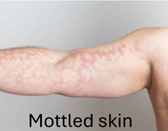
- Skin that is very pale, mottled or blue/purple (this may be harder to see on darker skin)
- A rash that doesn’t fade when pressed firmly
- Recent chemotherapy or radiotherapy with symptoms of an infection
- Not passed urine for 18 hours or more
- Fever / high temperature, with extreme shivering and/or muscle pain
- Feeling extremely unwell like ‘I might die’
If you have monitoring equipment:
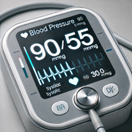
- Systolic blood pressure 90mmHg or less, e.g. 90/55
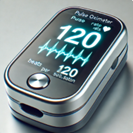
- Resting pulse: more than 120 beats per minute
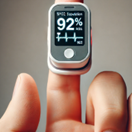
- Oxygen saturations 92% or less
If you are sent home, after seeking professional help, go back if you don’t feel any better or if you start to feel worse.
AMBER FLAG SIGNS OF SEPSIS:
IF YOU THINK YOU HAVE AN INFECTION AND YOU HAVE ANY ONE OF THESE AMBER FLAGS, SEEK HELP:
- Call 999 if you have 2 or more amber flags
- If you have one amber flag, seek an urgent appointment with your G.P or at an urgent treatment centre
- Call 111 if you are uncertain
- Ask healthcare staff “Could this be sepsis?”
Amber flags:
- Reduced activity or behavioural change (feeling tired, weak and lethargic)
- Breathing harder work than normal OR fast breathing (21 to 24 breaths per minute at rest)
- Not passed urine (had a wee) in the last 12-hours
- You feel feverish (very hot, or cold and shivery, achy muscles)
- Signs of a wound infection
- You take medicines that lower your immune system (like for arthritis) or take steroid tablets for a long time
- You had an operation or medical procedure in the last 6 weeks
If you have equipment:
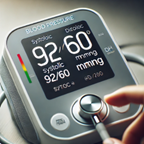
Systolic blood pressure 91 to 100mmHg or less: example: 92/60
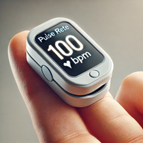
Pulse: 100 to 119 beats per minute or more
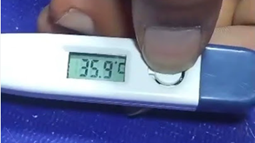
Temperature below 36°C
If you are sent home, after seeking professional help, go back if you don’t feel any better or if you start to feel worse.
Sepsis Risk Factors
Tell a doctor or nurse if you think you have an infection and you have any of these risks:
You might be more likely to get very sick from an infection (called sepsis) if:
- You had an operation or medical procedure in the last 6 weeks
- You were recently treated for a serious infection or for sepsis
- You are over 75 years old or very weak/frail
- You are having chemotherapy for cancer
- You take medicines that lower your immune system (like for arthritis) or take steroid tablets for a long time
- You have a health problem that makes it harder to fight infection (like diabetes, sickle cell disease, or if you don’t have a spleen)
- You have broken or damaged skin (like cuts, burns, blisters, skin infections, or wounds from surgery or injury)
- You inject drugs into your veins
- You have medical tubes or lines that stay in your body (like catheters or drips)
- You are pregnant, or you gave birth, had a miscarriage, or a pregnancy ended in the last 6 weeks
- You had medical procedures during or after pregnancy (like a caesarean section, forceps delivery, or removal of tissue left after a pregnancy)
- You have learning disabilities, or any condition which makes communication difficult.
How is Sepsis treated?
When doctors think someone might have sepsis, they do tests to find out where the infection is and what kind of germ (or “bug”) is causing it. They usually start by giving antibiotics straight away. Antibiotics are medicines that kill bacteria. If later, the tests show that the infection wasn’t caused by bacteria, the antibiotics will be stopped because they won’t help. The type of antibiotic given depends on where the infection might be, like in the chest, tummy, or bladder. Doctors also keep a close eye on how well the body is working, especially important parts like the brain, heart, lungs, kidneys, and liver. If needed, the person might be given, oxygen to help with breathing, fluids through a drip to keep the body hydrated and medicine to help raise low blood pressure. Sometimes, surgery is needed to remove the source of the infection. This can happen with problems like a burst appendix, an infected gallbladder, kidney stones, or an abscess (a pocket of pus).
Where can you find more information and support?
To learn more about sepsis, read the Humber Health Partnership & UK Sepsis Trust leaflet:
Sepsis: A Guide for Patients and Relatives
Link: https://www.hey.nhs.uk/patient-leaflet/could-it-be-sepsis/
Or scan the QR code with your phone camera.

For information & sepsis survivors or bereavement support visit the UK Sepsis Trust charity:
Website: https://sepsistrust.org/
Helpline: tel: 08088000029
To find excellent videos, podcasts and other information to help understand more about sepsis, visit the Sepsis Research FEAT Charity website
Link: https://sepsisresearch.org.uk/
Sepsis Specialist Nurses: Post-Sepsis Telephone Follow-Up Clinic
If you’ve been treated for sepsis during your hospital stay and want to discuss your case or need help with recovery, book a follow-up appointment with a Sepsis Specialist Nurse by calling:
Phone: tel: 01482 461072
This is not an urgent service. Do not contact this number if you suspect sepsis or need urgent help.
This service is available only at Hull University Teaching Hospitals.
Should you require further advice on the issues contained in this leaflet, please do not hesitate to contact The Sepsis Team on tel: 01482 461072.
This leaflet has been produced by the Hull University Teaching Hospitals NHS Trust and is available as a download:
Download the “Sepsis Safety Netting Advice: For Adults (aged 16+ years)” leaflet
