
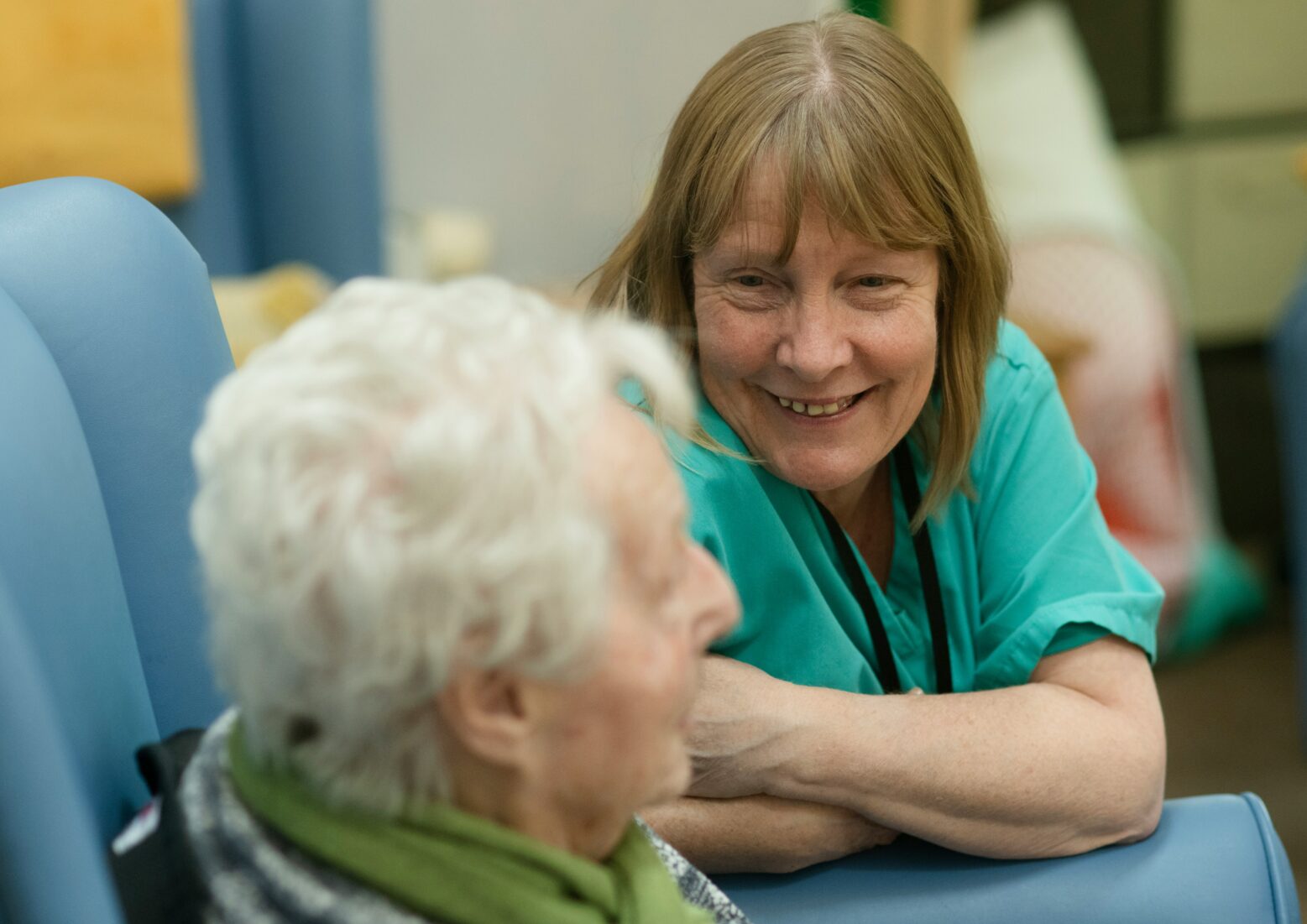
Hull hospitals have introduced a specialist support team to help patients living with dementia and delirium – and support the NHS staff caring for them.
Michaela Ashurst has been appointed Dementia and Delirium Specialist Nurse to help patients admitted to Hull Royal Infirmary and Castle Hill Hospital and their relatives and carers.
She will work with the Alzheimer’s Society to support patients and families during hospital stays, with an advisor from the charity offering follow-up appointments six weeks after discharge to ensure they have the support they need.
 Michaela said: “It’s important that patients living with dementia and their families get the right care and support when they’re admitted to hospital – and once they’re back home.
“We will be working with patients and families, as well as clinical teams, to ensure we deliver the best care possible to this very special yet vulnerable group of patients.”
Michaela developed a special interest in delirium, a sudden onset of confusion and cognitive impairment, often triggered by underlying medical conditions, and common in older people and those with severe illnesses, during her 12-year career in the Intensive Care Unit in Hull.
Now, after shifting to her new role, Michaela has extended her special interest to patients with dementia as well as delirium.
Research in 2019 showed that around 25pc of all patients admitted to acute hospitals in the UK were living with dementia but it’s believed that the percentage is much higher now. Just under one million people had been diagnosed with dementia in 2024, with the number projected to rise to 1.4m by 2040.
Hull Royal Infirmary and Castle Hill Hospital promote the Butterfly Scheme, allowing staff to identify patients with memory impairments quickly, and John’s Campaign, which recognises the irreplaceable role of families in caring for loved ones with dementia. Carers are encouraged to register as Essential Care Givers, giving them unrestricted visiting to wards so they can comfort and reassure relatives during what can be a distressing time in the unfamiliar or frightening surroundings of a hospital.
Clinical teams including doctors, nurses, therapists and support staff also aim to create dementia-friendly environments on wards, with “twiddle muffs” to offer sensory stimulation and reduce anxiety, Reminiscence Interactive Therapy Activities (RITA) to support cognitive engagement and meaningful occupation and dementia-friendly signage, communication strategies and calm ward spaces.
As well as supporting patients and families, Michaela and the Alzheimer’s Society will also offer education and training to ward staff so they can tailor care to a person’s needs, learn about their likes and dislikes and understand what can help them best during their time in hospital.

Yoghini Nagandran
Dr Yoghini Nagandran, Consultant in Frailty at Hull Royal Infirmary, said: “As well as supporting patients diagnosed with delirium and dementia, the new team are also there to support families who are concerned about changes in their loved one but have not been diagnosed when they come into hospital.
“Early recognition is essential. We encourage anyone who has concerns about changes in a loved one’s memory, behaviour, or cognition to raise this with our medical or nursing staff so Michaela and the advisor can be alerted to help us deliver safer, more tailored care.
“Dementia affects individuals, families, and communities. By fostering understanding, early diagnosis and putting the person at the centre of everything we do, we can make hospital stays safer, calmer and more positive for people living with dementia.”