
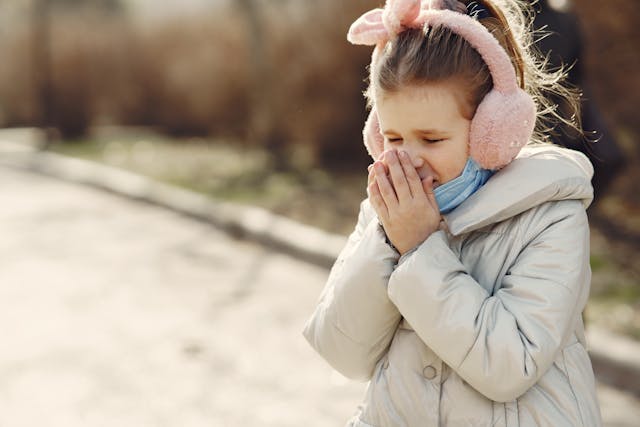
A hospital doctor specialising in paediatric medicine is encouraging parents to take steps to keep their children healthy and out of hospital this winter.
Winter temperatures can be challenging for babies and young children, increasing their vulnerability to illnesses such as colds, flu, bronchiolitis and respiratory syncytial virus (RSV).
Figures from NHS England show emergency hospital admissions for children under the age of 10 increase significantly during winter, with more than 30,000 emergency admissions of children in this age group each month with respiratory illnesses such as bronchiolitis and RSV the most common reason.
Now, Dr Kavitha Tharian, Consultant in Paediatrics at Hull Royal infirmary, said emergency teams are already seeing a surge in children with RSV and other respiratory infections in Hull.
Dr Tharian said: “The most important step a parent can take is ensuring their child is vaccinated, including the annual flu vaccine if they’re eligible. Pregnant women should also get vaccinated against RSV, which reduces the risk of their baby developing a severe infection by 70pc in the first six months of their lives. Speak to your GP, midwife or health visitor if you’re not sure how to arrange this.
“Good hygiene is also really important to protect your child from catching or spreading infection so make sure they wash their hands with soap and water, especially after coughing or sneezing, and before meals and after going to the toilet. Toys and surfaces should also be cleaned regularly to reduce germs spreading.”
Dr Tharian said layer clothing to keep children warm outside, including hats and gloves on colder days. Keep rooms at a comfortable temperature, around 18 degrees for sleeping, but ventilate regularly to reduce the risk of respiratory infections. Just avoid ventilation while children are in the room so they’re not in draughty areas.
If your child does become unwell, consult NHS 111 or ask your GP for guidance, particularly if they have breathing difficulties, are not feeding or are unusually sleepy. For a range of minor illnesses, pharmacists can give treatment and can tell you if you need to see a doctor.
Seek immediate medical attention if your child is struggling to breathe or making unusual noises when breathing, has a high temperature that does not come down with medication, is drowsy, unresponsive or difficult to wake or shows signs of dehydration such as fewer wet nappies, dry mouth or sunken eyes.