
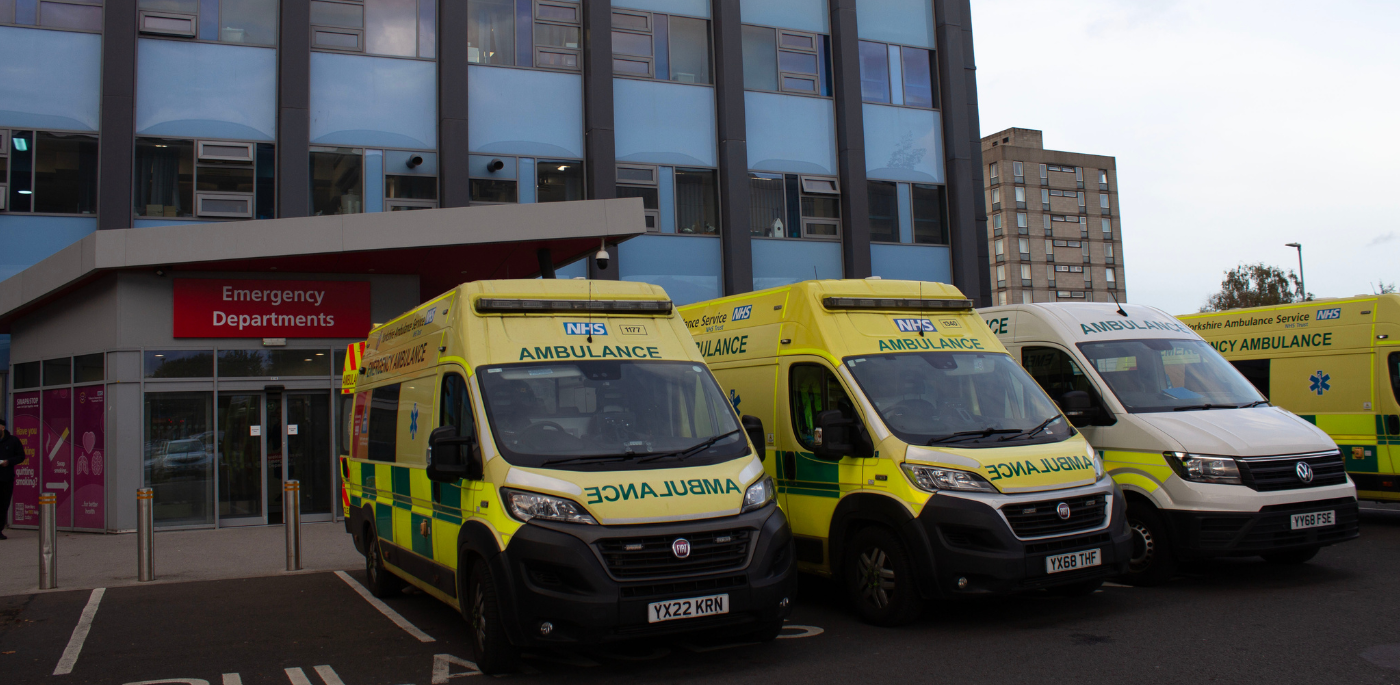
People are being warned of long waits at Hull’s Emergency Department (ED) unless they are a genuine medical emergency as Hull Royal Infirmary comes under pressure.
A surge of “walking wounded” and people with seasonal illnesses and viruses have been turning up at the hospital’s Emergency Care Area in recent days, putting emergency services and frontline teams under strain.
Now, Humber and North Yorkshire Integrated Care Board (ICB), which covers Hull Royal Infirmary, is appealing to the public to use alternative services such as their GPs, local pharmacists or one of the Urgent Treatment Centres in Goole, Bridlington, Bransholme, Hull or Beverley unless they are in genuine need of emergency care.
Dr Nigel Wells, ICB Chief Medical Officer, said: “If you do become unwell and need advice or help, pharmacies can deal with many minor ailments. If you feel it’s something a little more serious – including dental emergencies – NHS 111 will help direct you to the help you need. You can call 111 or search NHS 111 online.
“We would never discourage anyone from coming forward to seek help when they’re unwell, but we would ask people not go to A&E unless it’s a genuine life and limb emergency. A&Es tend to be very busy over winter and we want to ensure critical services aren’t being taken up by people with minor illnesses who could easily get help or treatment elsewhere.
“In medical emergencies that could be life or limb-threatening, such as a heart attack, stroke, severe blood loss, or choking, please do not hesitate to call 999 or go to the nearest hospital emergency department.”
Urgent treatment centres can help with sprains and strains, suspected broken bones, injuries, cuts and bruises, stomach pain, vomiting and diarrhoea, skin infections and rashes, high temperature in children and adults and mental health concerns.
Hull’s A&E is there to provide emergency medical attention for serious or life-threatening illnesses or injuries including heavy bleeding, unconsciousness, cardiac arrest, strokes, seizures or choking.
People should call NHS111 or visit www.111.nhs.uk online if they are not sure of the best place to go.
Checking where to go with NHS111 first means you’ll avoid unnecessary waits in an A&E and it’s likely that you’ll be seen far more quickly if you go somewhere else.