
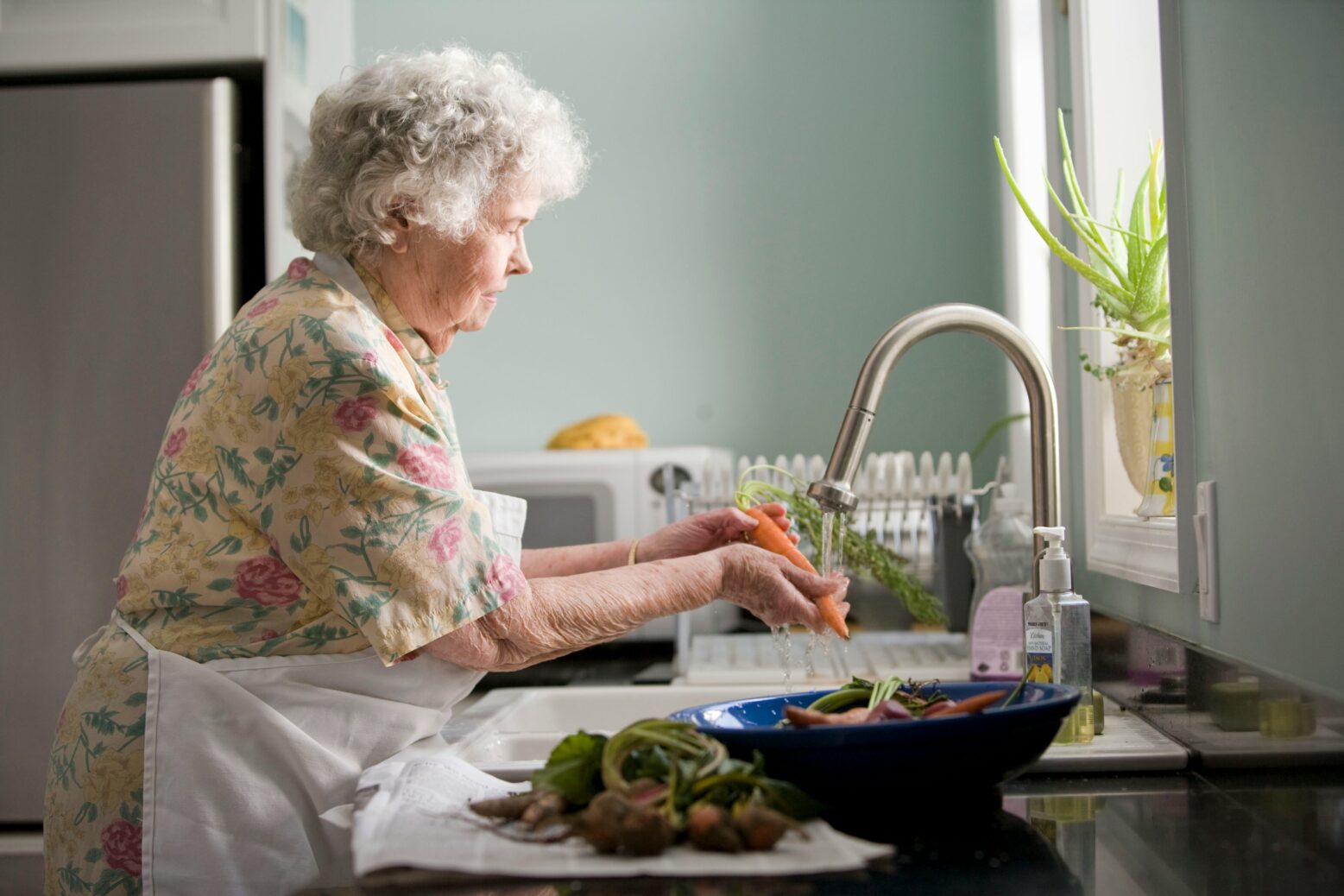
A hospital specialist in ageing and frailty has issued advice to help older people keep well and out of hospital this winter.
Plummeting temperatures and wintry conditions can increase illnesses like flu, pneumonia and even heart attacks and injuries caused by falls, causing emergency admissions to Hull Royal, Castle Hill Hospital, Goole Hospital, Scunthorpe General or Diana, Princess of Wales Hospital in Grimsby.
Recent data shows people aged 65 and over account for more than 40 per cent of emergency admissions to English hospitals over winter, with falls, respiratory infections like pneumonia and flu, cardiac conditions, urinary tract infections and worsening of existing health conditions such as COPD and diabetes the most common reasons.
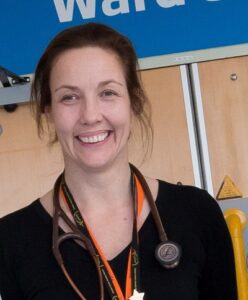
Dr Kirsten Richards, Consultant in the Department of Frailty and Ageing at Hull Royal Infirmary
Now, Dr Kirsten Richards, Consultant in the Department of Frailty and Ageing at NHS Humber Health Partnership, is encouraging older people and anyone caring for older relatives and neighbours to take steps to decrease the risk of them being admitted to hospital over the coming weeks.
She said: “Older people are more susceptible to colder temperatures, which can lead to very serious illnesses, so it’s important that they stay warm, active and well hydrated and in contact with others.
“While many older people may be worried about the cost of keeping their heating on over winter, it’s one of the best things they can do to stay well. If possible, keep living areas heated to at least 18 degrees and they should wear several layers of clothing rather than one thick item of clothing.
“Hot drinks and regular meals throughout the day can help maintain energy levels, prevent dehydration and keep the body warm.”
On days when the temperature plummets, icy pavements can be a real risk to older people so neighbours and relatives can help by keeping paths clear and also offering to help out with jobs such as shopping or collecting prescriptions. Older people venturing outside during winter should always wear sturdy, non-slip footwear and remember to take their walking aides. Inside homes, remove trip hazards like loose rugs and keep stairways and halls well lit.
Dr Richards said: “Staying active can ward off ill health so take gentle exercise like stretching or walking around the house to improve circulation and maintain strength, balance and mobility.
Social contact is just as important – regular phone calls, visits, or video chats can help prevent loneliness and boost mental wellbeing.”