We’re raising awareness about how to recognise the early signs of sepsis, to improve the chances of early treatment and survival.
World Sepsis Day takes place on Saturday 13 September and there will be a number of events taking place at Scunthorpe, Grimsby and Hull hospitals ahead of this.
Sepsis is a very serious illness. It happens when your body has an infection, and your immune system overreacts or struggles to fight the infection. This can make your organs (like your heart, lungs, kidneys, or brain) stop working properly. If sepsis is not found and treated quickly, it can be life-threatening.
Our sepsis nurses will be providing information on the following dates:
- Tuesday 9 September at Castle Hill Hospital in Cottingham in the restaurant
- Wednesday 10 September at Diana, Princess of Wales hospital in the restaurant
- Thursday 11 September at Hull Royal Infirmary in the main entrance
- Friday 12 September at Scunthorpe General Hospital in the restaurant corridor.
As part of this, we’ll be handing out a new leaflet all about sepsis. It contains key information about the signs and symptoms, and how to get treated. Physical copies will be available at the drop-in sessions listed above and you can also access it online (for adults 16+ and for children 15 and under).
To raise further awareness, we’ve spoken to a number of patients who’ve battled sepsis – some of them on multiple occasions.
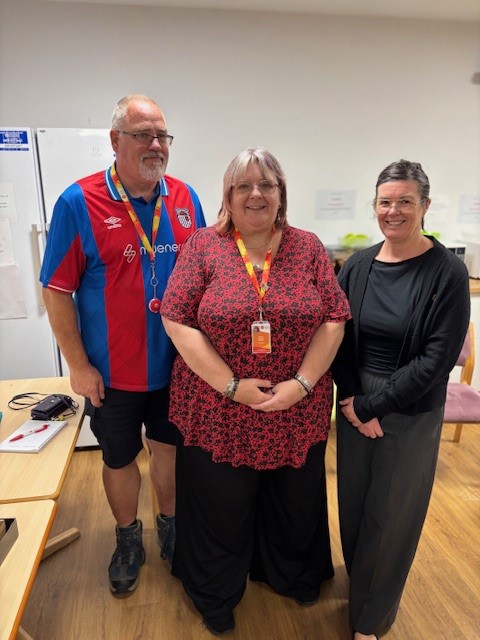
Tom Kingston, 67, from Hull said: “The biggest problem with sepsis is the lack of awareness. I have had it twice. The first time I picked up a urine infection in Thailand. Two weeks later, I was in Hull Royal Infirmary and ended up there for nine weeks. I went to the doctors when I got back from Thailand and they did not think it was anything other than a bug. About three to four weeks later, I ended up collapsing and an ambulance took me into hospital. The treatment I received in A&E was amazing.
“The second time I had a chest infection and I ended up in hospital for two weeks. Both times they were just ordinary infections, it’s so similar to flu. People need to know more about the signs and symptoms, so they know what to look out for. If raising awareness stops one person getting sepsis or helping them, then it’s worth it. I have now got post-sepsis syndrome, which is difficult as it leaves you feeling very tired, but I’m getting there.”
Sarah Smith, 54, from Waltham near Grimsby, said: “I had sepsis seven years ago. I was not feeling well for about three to four days. I started being sick and I was slurring my words. I attended A&E and they took my bloods, and put me on antibiotics for cellulitis in my leg. They told me to rest and keep an eye on the redness in my leg. A few days later, I was out for dinner and I blacked out. My husband took me to hospital and I was in septic shock. I don’t remember much but I can remember the horrific nightmares I was having.
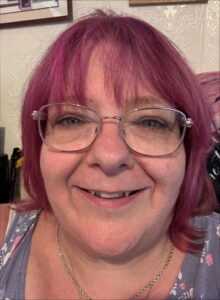
Sarah Smith
“They told me I had a 10 per cent chance of survival. My husband had to tell the children as I was going to be put on dialysis because my kidney function had gone down to nine per cent, and I wasn’t well enough to talk to them. I ended up in ITU for eight days. I am lucky to be alive. I then ended up with sepsis again about three months ago and I was in for six days. I now run a sepsis survivors’ group in Grimsby, where we all talk about what happened to us and support each other, and I’m a lead volunteer for Sepsis UK in this area.”
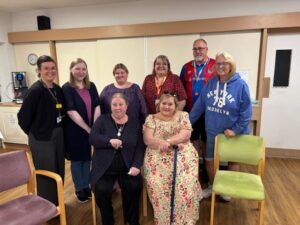
Members of the sepsis survivors group at St Hugh’s Hospital in Grimsby
Amelia Carden-Howe, 19, from Lund near Beverley, said: “I was 17 at the time and I was feeling really unwell. I was throwing up and had sickness and diarrhoea. I had been to a restaurant and thought it was food poisoning. It was getting worse and I was hot and cold. My mum rang 111 and they gave us some advice. It didn’t get any better and I started having hallucinations. We ended up going to Hull Royal Infirmary and they thought it was gastroenteritis. They sent me home but it didn’t get any better, and we ended up going back. They rushed me straight through triage and said I had sepsis.
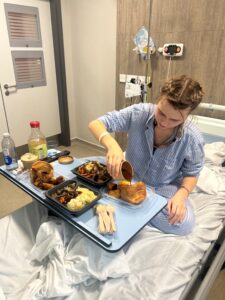
Amelia Carden-Howe when she was in hospital at the time
“The only thing I really knew about sepsis was from when it was a storyline on a soap. I was panicking about what would happen to me. I was transferred to Castle Hill Hospital and they sent me to the Infectious Diseases Unit. It was a very scary time for me. I did a lot of research about sepsis and was speaking to one of the nurses about it. I think it’s one of those things that unless you know what the symptoms are, you wouldn’t think you had it.”

Amelia Carden-Howe pictured now
Laura Davis, Clinical Nurse Specialist for Sepsis, said: “More people die of sepsis or infection than anything else in our hospitals. In the last year, we’ve treated more than 3,300 patients for sepsis. On average, 105 patients in our area die every month, either in hospital or within 30 days of discharge after a sepsis diagnosis. Around 11 million people die from sepsis globally. Following the advice in the leaflet and seeking help early gives people the best chance of recovery. Most infections are treated successfully or resolve on their own, without leading to sepsis.
“Our advice to patients is to keep the leaflet somewhere safe and use it for guidance if you get an infection, especially if you or someone at home is at higher risk. Speak up if you’re worried about sepsis. Ask your healthcare team if they’ve considered it and show them the leaflet if you still feel concerned.”