
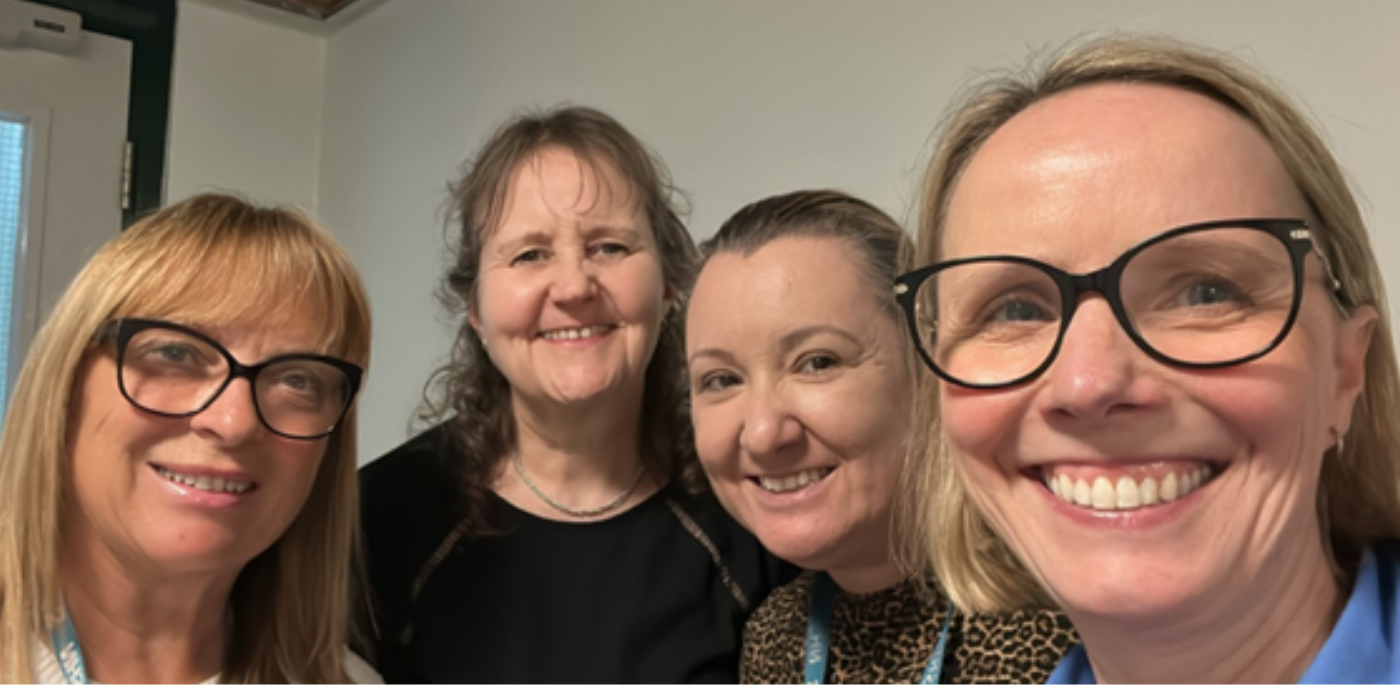
Specialist children’s nurses from Hull have had their work to support families and young people with epilepsy adopted by a national charity.
Epilepsy Action has published a new suite of materials to support teenagers with epilepsy, parents of children with additional needs, and young people who require easy read documents.
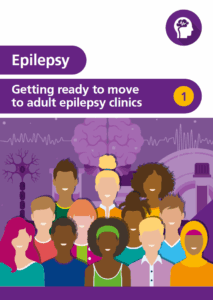
A series of Transition guides have been produced
The suite of ‘Transition’ leaflets is intended to support young people with epilepsy as they make the move from child-focused, paediatric care to adult neurology or epilepsy services. The content is based on booklets created with and for local families and young people living with epilepsy by a team of four children’s epilepsy nurses based at Hull Royal Infirmary; Fiona Lead, Nicola Heenan, Carys Amies and Chris Bennett.
Fiona says:
“Epilepsy is a common neurological condition in childhood and is often seen in children with a learning disability.
“Studies show that the move from children’s services to adult services can be very challenging for young people with a long-term health condition.
“It’s common to see a big dip in their overall health and for young people and their families to feel like they’ve been abandoned, but providing a structured transition programme is widely acknowledged to help avoid some of these issues.
“While there are some good resources out there already, we wanted to develop our own epilepsy-specific transition booklets to cover the questions we are most often asked in clinic and the issues and concerns which are known to be common areas of anxiety; things like ordering prescriptions, drink and drugs, school, work, and generally helping the young person to understand their epilepsy”.
Preparation for transitioning between services normally begins at around age 13, with the goal of transferring care over to the adult service between16 and 18 years of age, depending on need. It should be a planned, gradual process which prepares both parent/carer and child, handing over responsibility for care from the parent/carer to the young person and maintaining continuity of epilepsy care and support throughout.
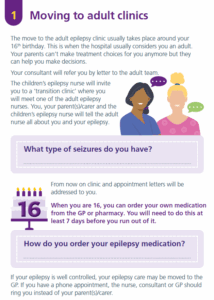
A sample page from a Transition booklet
The leaflets cover a broad range of topics, from links between stress and epilepsy, young people learning to drive and the link between healthy living and improved seizure control. Some of the resources are also aimed at parents and carers, covering topics such as Education and Health Care (EHC) plans, getting on your GP’s learning disability register, and transition social workers.
The suite of nine brightly coloured leaflets has been digitally re-styled for national use and made possible with funding from Young Epilepsy and Epilepsy Action.
Fiona continues:
“The content for the booklets took us about a year to develop, another year to tweak, and we’ve been using them for the past three years to provide structure and consistency to our nurse-led epilepsy clinics.
“When we were invited to work alongside the two national charities, Epilepsy Action and Young Epilepsy, and to have our content form the basis of nationwide resources for families and young people, we jumped at the chance. It was a real compliment, and it’s great to know that the work we have done here in Hull, influenced by the many children, families and young people that we care for, is now helping to inform and support thousands of other families across the country who are living with epilepsy.”
Nine leaflets have been published in total; three for young people, three easy-read versions and three for parents of young people with additional needs; and are now free to download from the Epilepsy Action website.